



Cyprus has places that take the spotlight on every tourist list, promising a taste of the “true Cyprus.” The beaches crowded with sun-seekers. The restaurants on the main streets that everyone seems to flock to. The same old corners filling everyone’s Instagram stories.
But are those the places that truly give you a taste of what living in Cyprus is all about? The real experience comes from the lesser-known places in #Cyprus. Hidden spots where the island reveals itself differently, where you find what you didn’t know you were looking for. On any given summer day, locals are there while tourists navigate the main roads, still searching for “the scene.”
Follow THE FUTURE on LinkedIn, Facebook, Instagram, X and Telegram
These are the places worth knowing about. And there’s one person in Cyprus who has spent twenty years finding them.
Nina Malian moved to Cyprus two decades ago with no connections and no plan besides a childhood dream of living by a warm sea. She stayed because it felt like home. Today, through her project My Secret Cyprus, she’s become the keeper of the island’s (not so hidden) corners, the places that made her fall in love with Cyprus in the first place.
Below are her four picks for summer hidden gems.
Before we get into the hidden gems, can you introduce yourself and tell us how you found yourself living in Cyprus in the first place?
My name is Nina Malian. I was born and raised in Moscow. After completing my university studies, I moved to Cyprus, where I have now spent more than twenty years, which is essentially half of my life.
People often ask me why I moved to Cyprus in the first place, and honestly, I sometimes feel that the answer is connected to something deeper than a rational decision. Since childhood, I always had a very strong feeling that one day I would leave my home and live somewhere by a warm sea. Even before the idea of moving to Cyprus consciously appeared in my mind, I remember writing a short poem describing a house nestled on a foothill, surrounded by nature and close to the sea. remarkably similar to the life and surroundings I have today. It felt less like planning and more like a sense of inner knowledge that existed long before I fully understood it myself.

When I first arrived in Cyprus, I didn’t know a single person here. Everything was unfamiliar, and yet, in less than a year, I realised that this island had become home in a way I had never expected.
I still remember one particular moment very clearly. I had travelled back to Moscow to visit my family. When I returned to Cyprus, I landed at Larnaca Airport right before sunset. As I stepped outside the plane, I saw the sky illuminated by the descending sun, filled with extraordinary colours, and I felt the heavy salty air mixed with the breeze from the sea and the nearby Salt Lake. The thought that came to me was:
“I’m home.”
A large part of my life in Cyprus was connected to the world of cultural events and production, and I think this experience shaped me profoundly. This eventually evolved into My Secret Cyprus, an independent research and storytelling project through which I create immersive educational experiences and performances that invite people to interact with Cyprus through memory, culture, nature, architecture and people. The ultimate goal of My Secret Cyprus is to share my love and appreciation for the island and its people, a place that became my home. Through my events and research, I want people not only to see Cyprus, but to truly feel this place, connect with it emotionally, and ultimately fall in love with the island in a deeper and more meaningful way, finding new friends and becoming part of the life of this remarkable place.
Nature Hidden Gem: Akamas Peninsula
Your first pick: the nature hidden gem. Where is it, what should people do there, and what’s the best time of day to go in the summer?
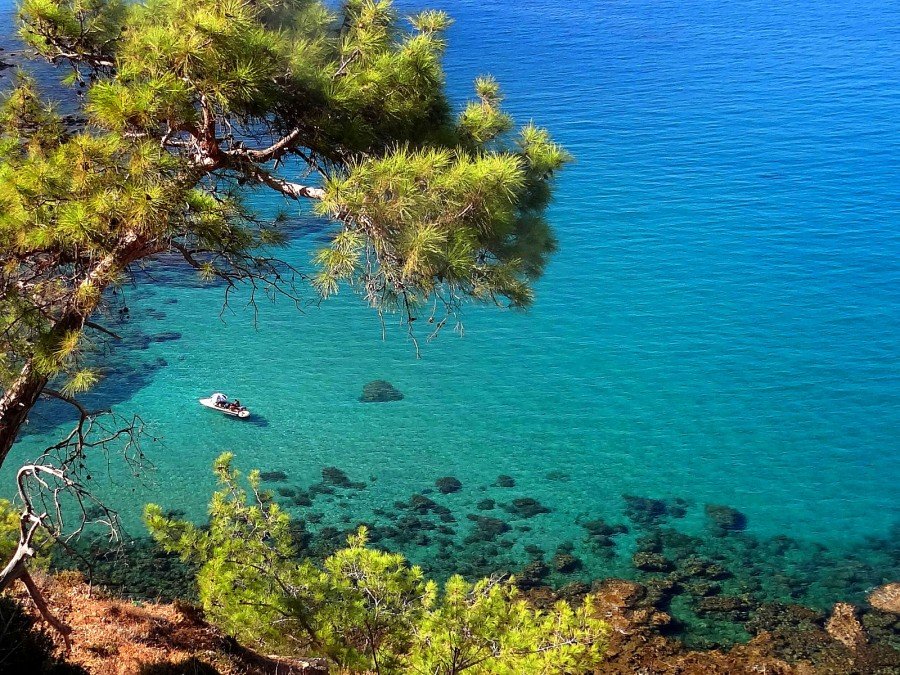
One of my favourite natural hidden gems in Cyprus is the Akamas Peninsula. For me, it is one of the few places on the island that still feels truly untamed. What makes Akamas so special is not only its dramatic coastline, hidden lagoons, and secluded beaches, but also the feeling that nature still leads the rhythm there.
I especially love the area around the Baths of Aphrodite, where mythology, landscape, and nature become intertwined. What many people don’t realise is that in Akamas you can experience not only the Mediterranean Sea, but also the fresh water of Cyprus flowing through springs and natural sources hidden within the landscape. There is something very unique about this contrast between the dry Mediterranean terrain, the sea, and the presence of fresh water connected to the legends of Aphrodite. It creates a very special atmosphere that feels almost timeless.
What I would recommend is to allow yourself to slow down there. Walk through the trails, observe the endemic plants, swim in secluded coves, listen to the silence, and experience the changing colours of the sea and rocks throughout the day.
Akamas is beautiful all year round, but during the summer, I would highly recommend starting your visit very early in the morning, before the heat, when the peninsula is still quiet, and you can truly experience the landscape almost alone, in a much more intimate and peaceful way.
And of course, Akamas is also one of the most beautiful places on the island to experience the sunset, when the cliffs, sea, and sky become filled with extraordinary colours.
Cultural Hidden Gem: Cyprus Perfumery Park

Your second pick: the cultural hidden gem. A village, museum, artisan studio, historic spot, or local tradition that feels like “authentic” Cyprus. What’s your recommendation and why?
One of the cultural hidden gems I would highly recommend is the Cyprus Perfumery Theme Park, located between the villages of Flasou and Korakou. Most people associate perfumery with France and Grasse, but very few realise that Cyprus actually holds a very important place in the history of world perfumery.
As you may know, perfumes are divided into seven olfactory families: floral, woody, oriental, but there is one perfume family named after a specific place rather than a scent category: Chypre. And that name comes directly from Cyprus. Citrus, herbs, resins and Mediterranean plants have played a very important role in perfumery for centuries, and the island has an extraordinary perfume-making heritage.
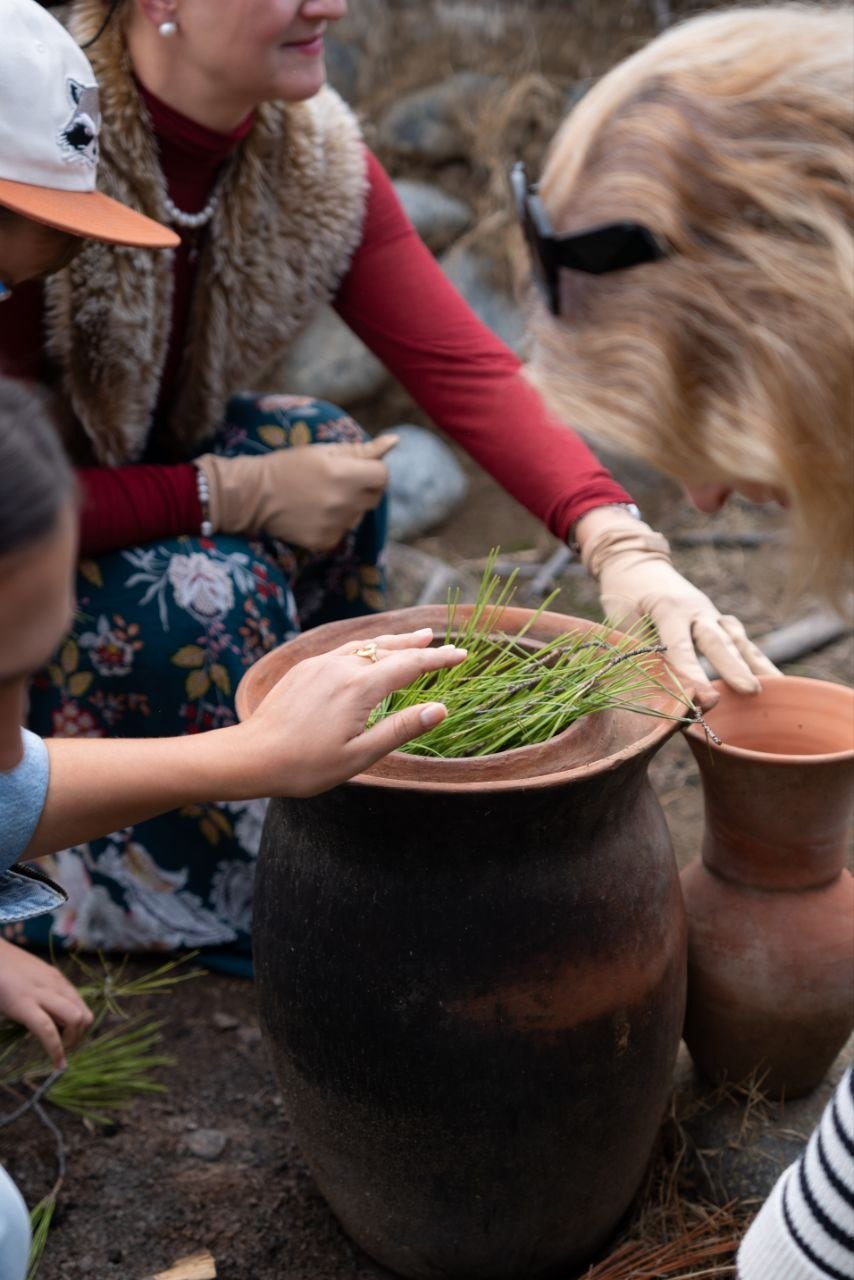
The Cyprus Perfumery Park is also the only open-air perfumery museum in the world. What makes it so special is that it allows guests not only to learn about this history but to truly experience it in an immersive and sensory way.
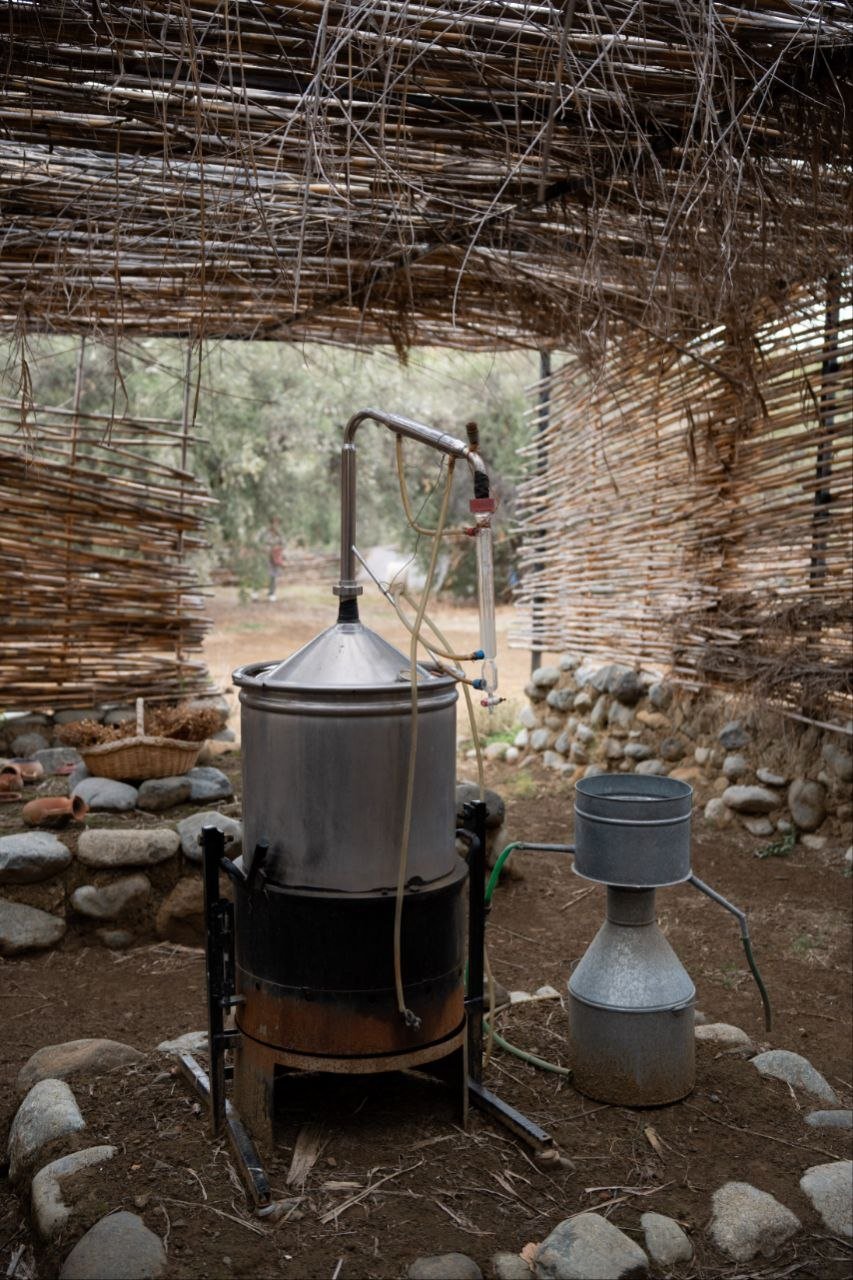
In the park, you can see a recreation of an ancient perfume production site and copies of the archaeological objects discovered in Cyprus. You will experience how essential oils were produced using traditional distillation techniques in alembics, copies of the ones used thousands of years ago.
The experience becomes truly unique when Phylaktis Lazarou, the founder and director of the Cyprus Perfumery Park, helps you create your own perfume from the essential oils of your choice.

It is also a great place for children. There are various activities they can take part in, such as becoming a “young archaeologist,” participating in pottery workshops, or producing their own perfume playfully and engagingly.
When you visit the park, the Lazarou family truly makes you feel at home. Their work has also received international recognition. One of their perfumes, Chypre Parfum du Temps, created exclusively for Cyprus Duty Free, was recognised for reviving Cypriot cultural traditions, uniting perfumery, botanical art, and ceramics inspired by the island’s heritage.
Mountain Escape: Kalopanayiotis
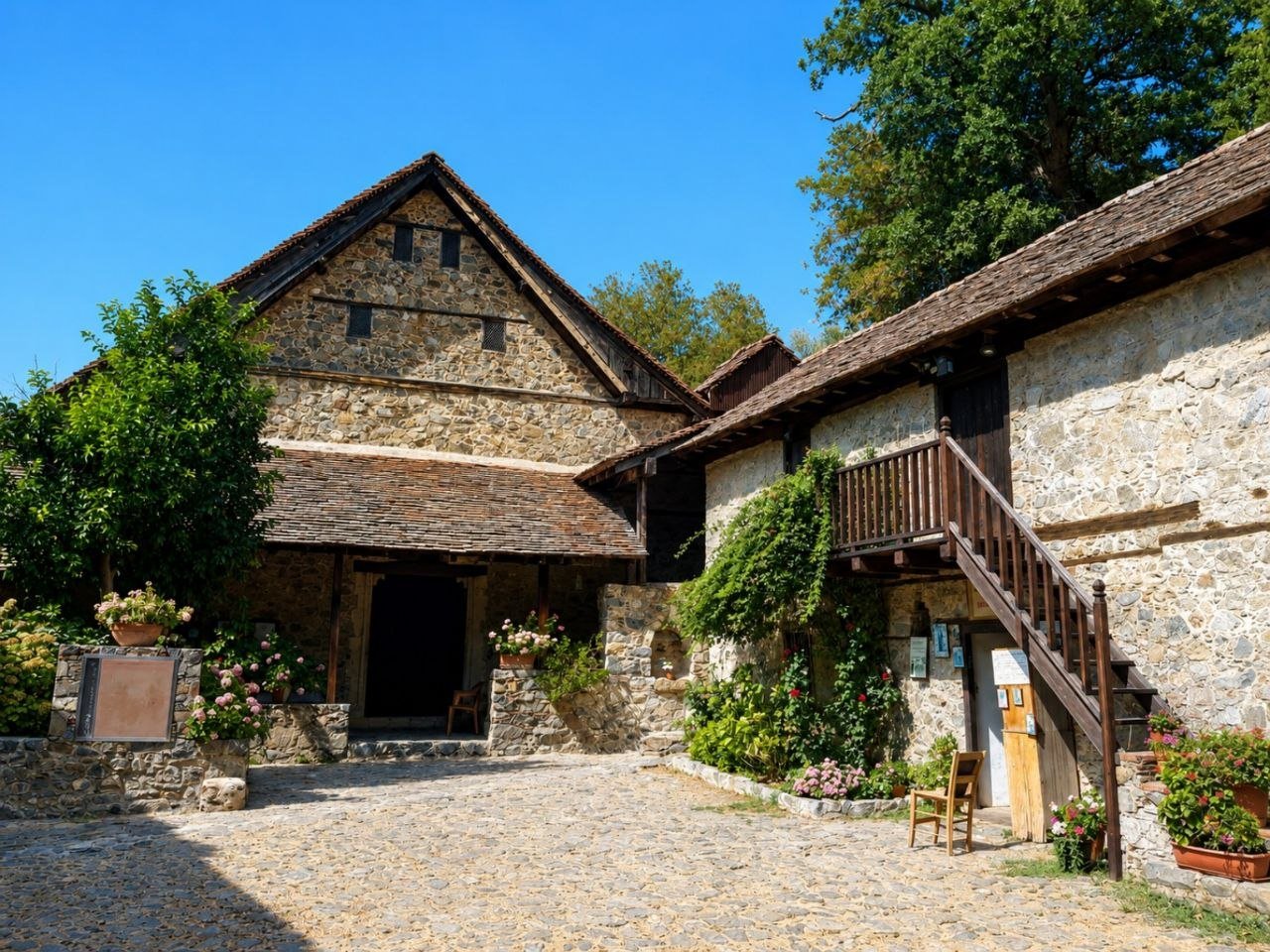
Your third pick: the not-beach-day summer gem. When it’s too hot, or you want something different, where do you send people for a memorable day?
If you ask me where to go in Cyprus when it is too hot for a beach day, my answer would definitely be Kalopanayiotis. For many people, the first thing that comes to mind when hearing this name is Casale Panayiotis, a beautiful hotel project that helped revive the village.
Many abandoned traditional houses were carefully restored and transformed into a unique hospitality concept spread throughout the village, while preserving their original character and architecture.
Another iconic place is the Marathasa Wines winery, with its striking contemporary architecture perched on the hillside among the vineyards. The views from the terraces are breathtaking, especially during sunset.
Then there is the Monastery of Saint John Lampadistis, a UNESCO World Heritage site with extraordinary medieval frescoes and an atmosphere that feels untouched by time. What makes this place truly special is not only its historical importance, but the role Saint John Lampadistis still plays in the lives of people living in the village, throughout Cyprus, and even abroad. People come here on a pilgrimage from different parts of the world to pray, ask for help and seek comfort.
Inside the church, you can still find graffiti inscriptions left by visitors centuries ago in different languages. One of them says, “Take away my pain.” I think this phrase says everything about the emotional and spiritual significance this place continues to hold for people even today.

This is one of the churches where, every time I visit, I genuinely do not want to leave. But at the same time, all of these places exist there because of nature itself. Kalopanayiotis is built around the Setrachos River, surrounded by forests, mountain slopes, and the sound of flowing water. The village has been connected to healing sulphur springs since ancient times, when people travelled there seeking healing and restoration. Even today, people still visit the historic sulphur springs and spa waters known for their mineral-rich properties and their connection to traditional healing practices on the island.
When you see this beautiful mountain river and the old Venetian bridge above it, when you hear the calming sound of water flowing down from the mountains, and notice butterflies and dragonflies resting on the grass along the riverbanks, the last thing you expect is to discover that this river is also home to the endemic Cypriot freshwater crab, Potamon potamios cypriotus. This is one of the few places on the island where it can still be found. It is a reminder that nature came first here, before the monastery, before the village, before the hotel and the winery. The landscape itself created this place and gave shape to everything that later appeared around it.
Romantic & Gastronomic Gem: Nicosia
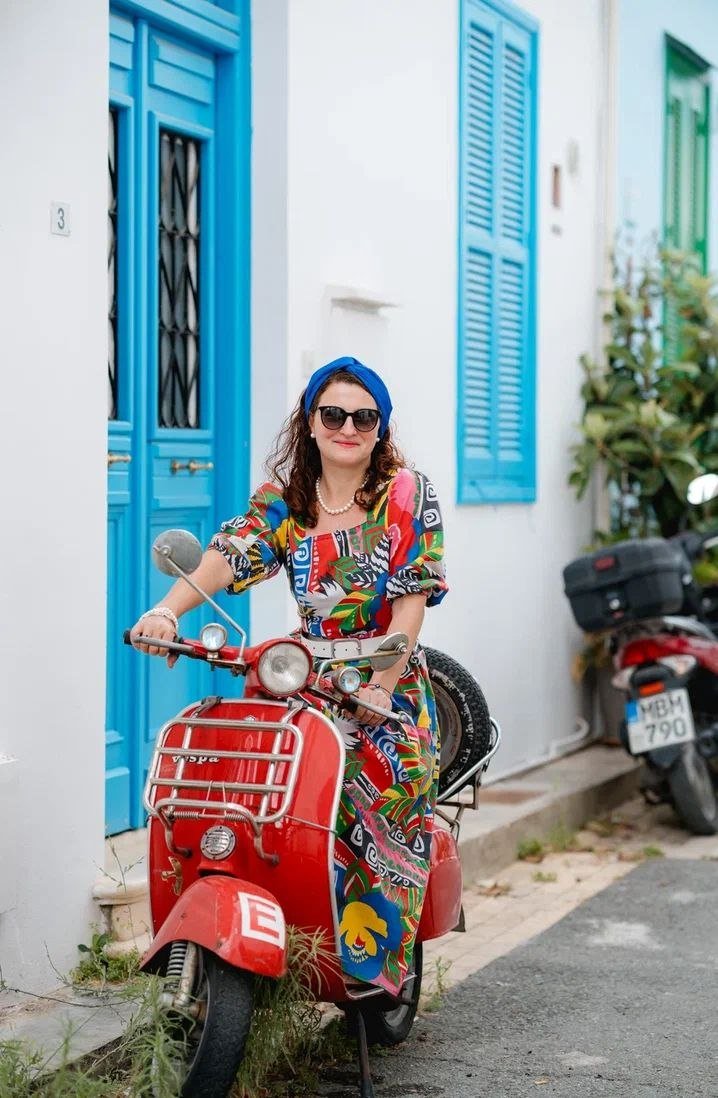
Your last two picks, but with a twist: One romantic gem (date-night or sunset energy) and one gastronomic gem (a specific place to eat/drink, or a local product experience). What are they, and what’s the best way to do them without falling into the obvious tourist version?
For a romantic gem, I would honestly choose not just one place, but an entire city — Nicosia.
I would start with breakfast at my beloved Melissa Confectionery Shop. You can go there as early as seven o’clock in the morning, when the city is only beginning to wake up. This place has been operating since 1948 and serves some of the best galaktoboureko and kolokoti you can find in Cyprus. It is the perfect beginning for the day, together with a cup of traditional Cypriot coffee. Mrs. Maria, the owner, is always there, and generations of locals have been coming to this place for a treat since they were children.
After breakfast, I would take a stroll. I would definitely also pay a visit to the Centre of Visual Arts and Research (CVAR), founded by Costas and Rita Severis. It is one of the most unique museums and cultural spaces in Cyprus, and for me it is one of the places that helps you truly understand the island. The collections span decades. Through paintings, maps, books, photographs, travellers’ drawings, and historical objects, you can see how Cyprus was perceived, imagined, and documented by foreign travellers and artists over centuries. The museum is not overwhelming, and the people working there are incredibly welcoming and passionate about the collection.
After that, I would go for lunch to Avo Armenian Food on Onasagorou Street. At Avo, you can have a portion of souvlaki or enjoy halloumi cheese pie and Armenian lahmacun for only a few euros. Avo, the owner, is an amazing person, and the story of his family is also deeply connected to the history of Nicosia and the Armenian community of Cyprus. It is impossible to imagine Cyprus without Armenian culture. Armenians have been living on the island since the 6th century AD, becoming an inseparable part of Cyprus’ cultural and social fabric.
After lunch, I would make a short stop at the Shacolas Tower Museum and Observatory and experience Nicosia from a bird’s-eye view. Located in the heart of the old city, it offers one of the best panoramic views of the capital. Looking out across the rooftops of Nicosia, you begin to understand the scale and complexity of the city.
After that, I would take a stroll down Onasagorou Street, looking into beautifully decorated shops, fabric stores, and jewellery boutiques hidden within the old city. Eventually, you arrive at Faneromeni Church, one of the most beautiful and historically important churches within the old city of Nicosia.
And of course, no walk through Nicosia is complete without taking something home with you to remind you of the city. One of my favourite places for that is Moufflon Bookshop, located just across the street from the church. It was established by Kevork K Keshishian, historian, photographer, publisher, and author of the very first tourist guidebook of Cyprus, Romantic Cyprus, which has been reprinted many times and introduced generations of visitors to the island. For many years, the bookshop was also run by his daughter, Ruth Keshishian. Unfortunately, Ruth is no longer with us, but Moufflon Bookshop continues to live on.
For a short break, I would want to sit down and enjoy my favourite drink, a Brandy Sour. The cocktail was originally created at the famous Forest Park Hotel in the Troodos mountains for King Farouk of Egypt, who loved spending summers in Cyprus. Since alcohol was politically sensitive for him, the drink was designed to resemble iced tea while actually being a refreshing cocktail made with Cypriot brandy, lemon, and bitters. There is no better place to enjoy it than Ta Kalá Kathoúmena, also known as Misharoz Pop-Up Café. The place was created by Symis Soukiouroglou, artist, sculptor, musician, composer, and one of the most colourful figures in Nicosia’s cultural life. He created a space where culture, creativity, and community could come together. Today, the café is run by his children, and I think that is one of the reasons it has managed to preserve its character so beautifully. There is a genuine sense of continuity here.
After all of this walking, it’s time for a visit to Ömeriye Hammam. The hammam is located inside a historic building and has been operating since the end of the 16th century, during the Ottoman period. Walking inside feels like stepping into another world: soft light, warm stone, steam, silence, and the feeling that time suddenly slows down. My favourite way to experience it is to have the Kesse Borek body treatment followed by a massage session. After spending the whole day walking through the city, you feel completely reborn. The owner, Mrs. Andrie Georgiou, together with their wonderful team, always greet you with kind and warm smiles, and you immediately feel cared for. People have been coming to this same place to bathe, rest, and reconnect with themselves for more than four hundred years!
After you have rested, it is finally time for dinner. One of the most authentic places for a traditional meal in Nicosia is Zanettos Cypriot Tavern, one of the oldest traditional taverns in Cyprus, operating since 1938. The tavern was originally founded by Savvas Zanettos after he returned from the United States, and today it is run by Panayiotis Mentzis, who carefully preserved the spirit and soul of the place while continuing its long tradition for nearly thirty years. Despite being a very popular place among locals and even celebrities visiting Cyprus, it still feels deeply local and authentic. Many people describe the food there as tasting exactly like what their grandmothers would cook at home, and I think this is probably the greatest compliment a Cypriot tavern can receive.
For the perfect ending to the day, I would make my way to Ella Jazz Bar. I have always loved places where people come together because of a shared passion, and Ella feels exactly like that. It is a place where music brings people together. Ella was created by Marios Polycarpou, whose love for jazz inspired him to create a home for live music in the heart of the old city. People come here to enjoy the music, spend time with friends and be present in the moment. For a little while, the outside world feels less important, and there is something very special about ending a day in Nicosia this way.