



According to the International Organisation of Vine and Wine, the 2024 wine production is estimated at 225.8 mhl, marking a 4.8% decrease compared to the already historically low output of 2023. World wine consumption is also decreasing, according to the same study, estimated at 214.2 mhl, the lowest volume recorded since 1961. These stats do not scare a young family winery in Cyprus, however, as they are slowly making their mark not only locally but in the world’s largest wine market, the United States.
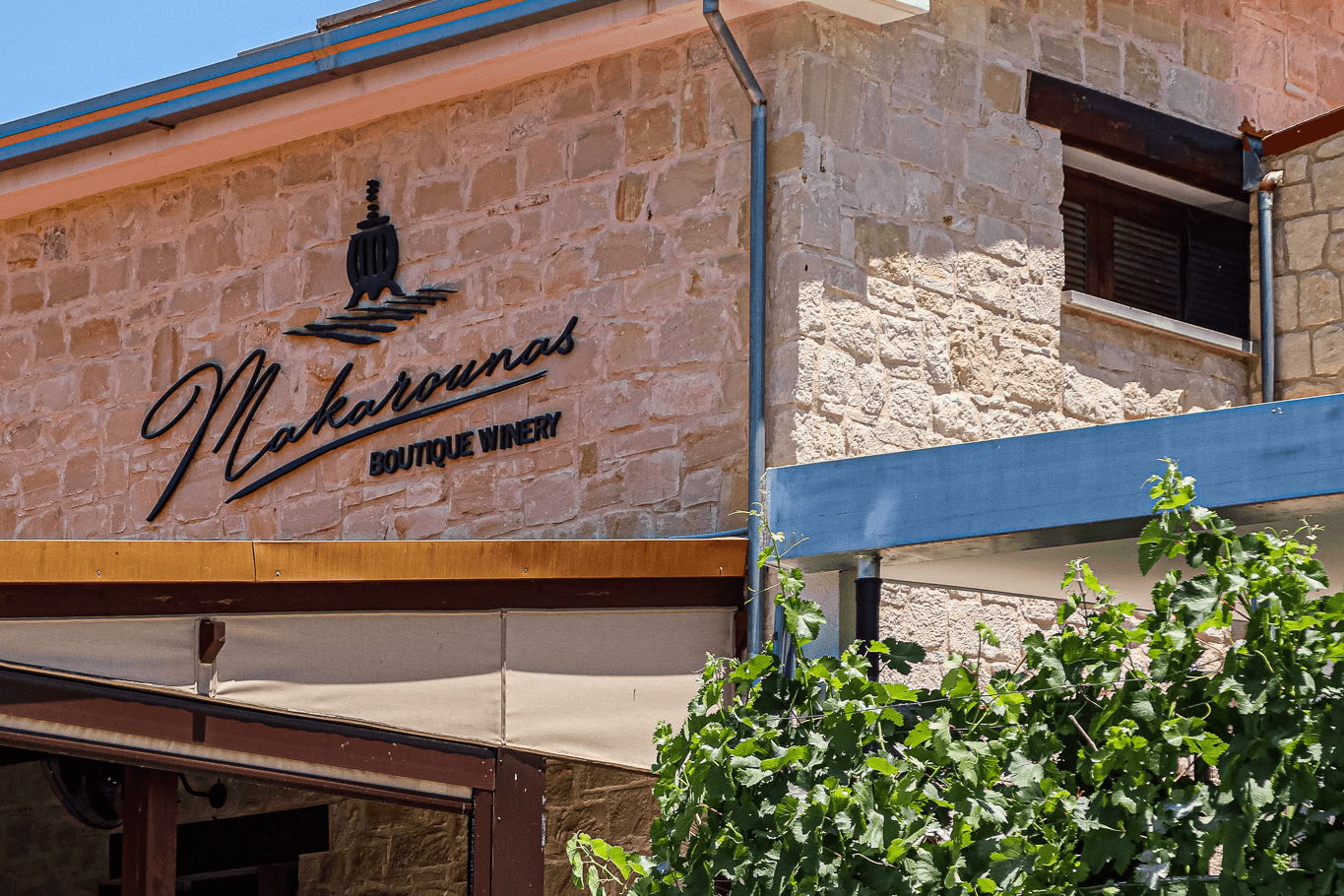
Makarounas Winery is located in the village of Letymbou, a mere 14 kilometers from the city of Paphos, Cyprus. The hilly terrain and the river bring cool nights and morning fog. The grapes ripen slowly, producing wines with subtle aromatic threads and moderate alcohol levels.
Follow THE FUTURE on LinkedIn, Facebook, Instagram, X and Telegram
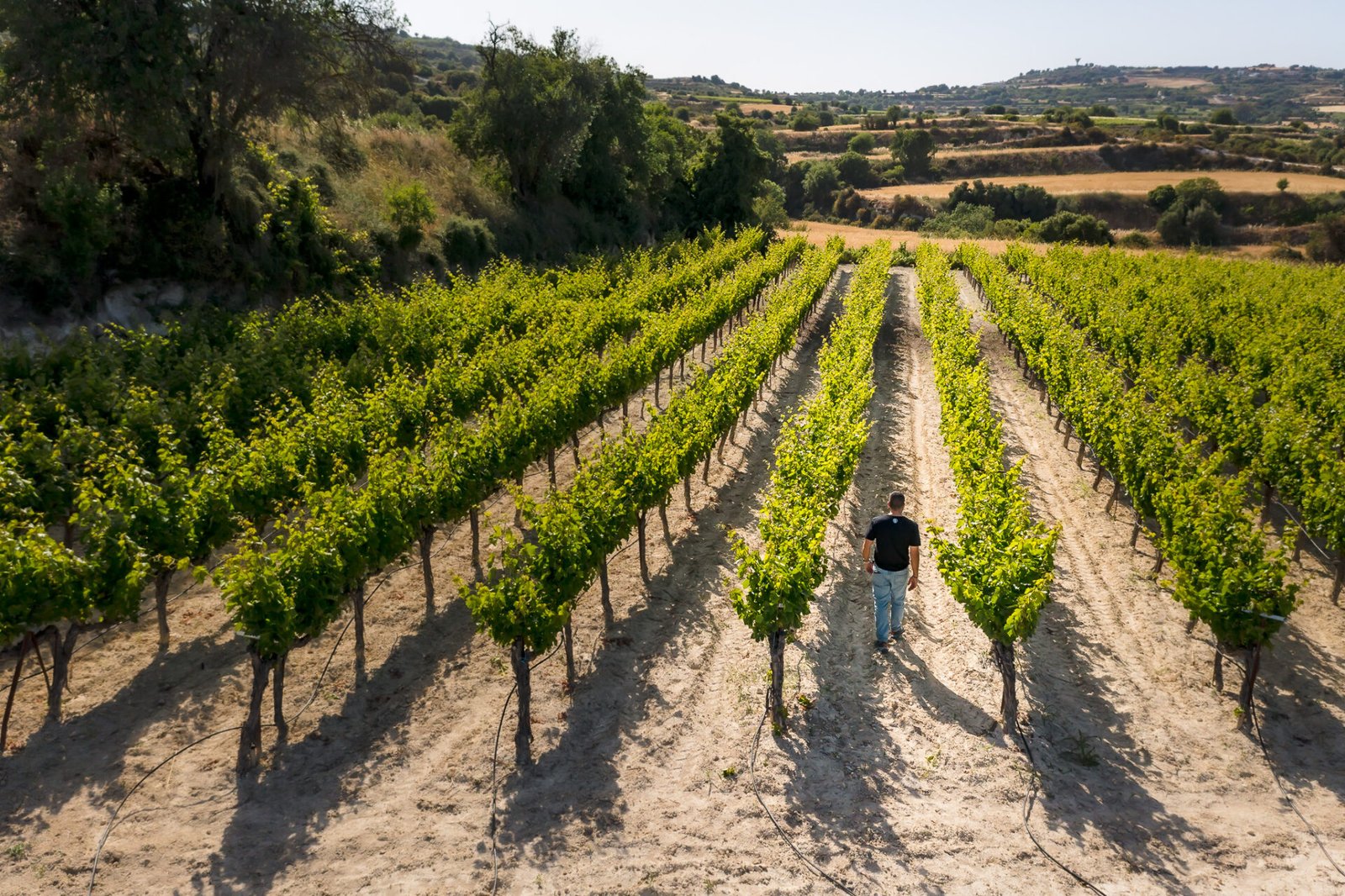
Owner and enologist Theodoros Makarounas says the region is popular among winemakers across Cyprus looking to source grapes from outside their own estates because of the soil’s signature minerality and salinity. According to Makarounas, their winery is one of the few wineries on the island that produces exclusively from its own vineyards.
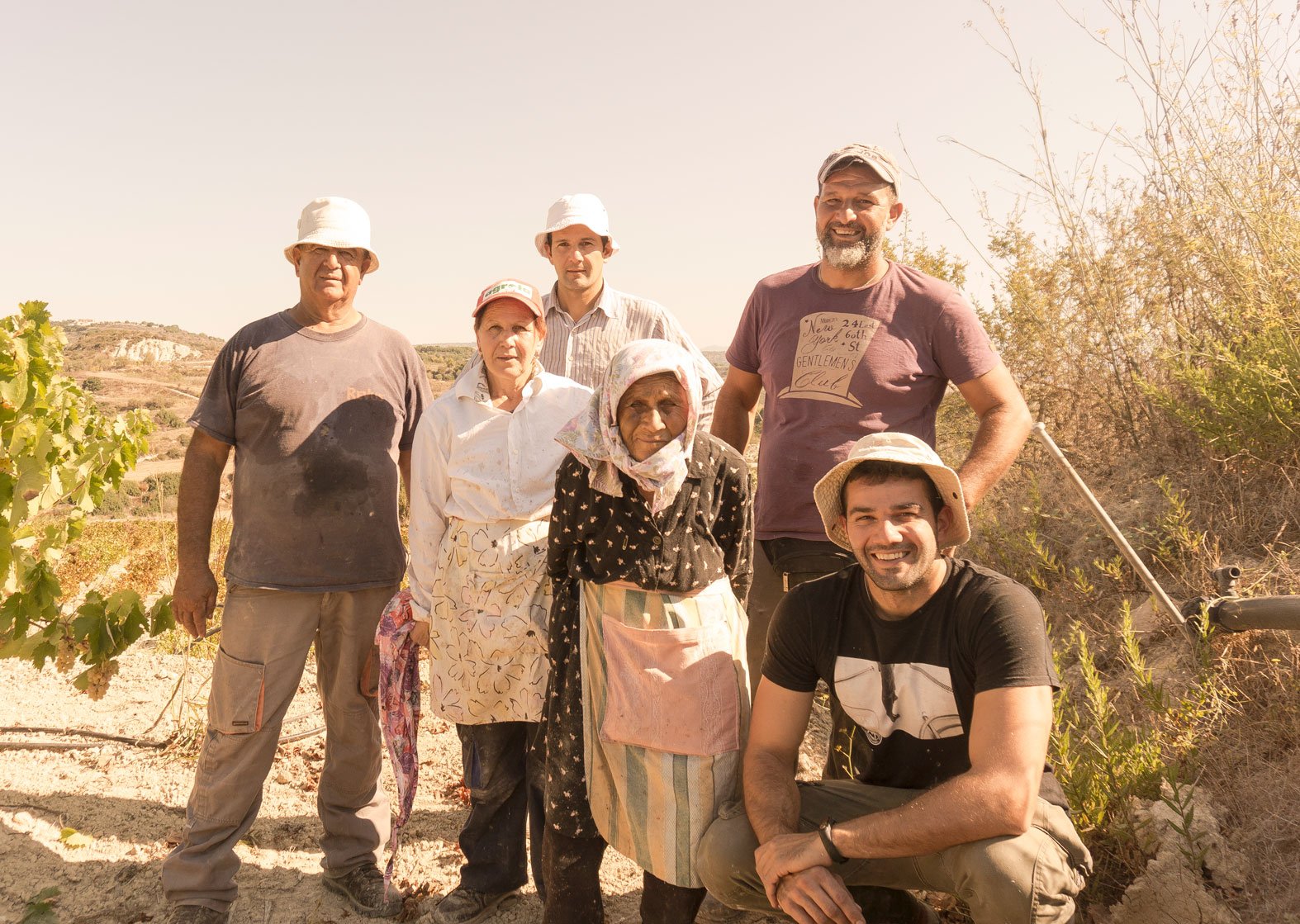
Across 28 hectares, the winery produces 135,000 bottles a year, approximately a third of which are sold in the United States.
The US is the winery’s second-largest market by volume and revenue after Cyprus, and the numbers are growing every year. The Makarounas can be found in shops and restaurants across nine states, including New York, California, New Jersey, Illinois, and Texas, distributed by the single exclusive importer, Diamond Wine Importers.
Consumers in the US can access the full range of Makarounas wines. The whites include Xynisteri, Spourtiko, Promara, and Morokanella, each with a distinct mineral profile and sharp acidity drawn from the crystal gypsum, limestone, and quartz in the soil. The reds, Yiannoudhi and Maratheftiko, are fuller-bodied and widely regarded as Cyprus’s most exciting rediscovery, one with serious international potential.
Nearly all of these wines were considered lost or forgotten. For much of the island’s modern winemaking history, two varieties dominated the space, the white Xynisteri and the red Mavro. The rest had all but disappeared among their plantings.
Theodoros Makarounas is among those now cultivating the forgotten wines of Cyprus and bringing them back into the spotlight for the wider world. Even in the ten years of being active, Makarounas Winery has already exceeded its own expectations.
Working with grapes was not new to Theodoros Makarounas. The Makarounas family had owned vineyards for generations but had never made wine, preferring to sell grapes to other producers. Theodoros left to study Electrical Engineering at university, then completed an MBA, believing he was on a reliable and secure path. Not long after, out of his own sheer curiosity, he began experimenting in his grandmother’s basement, making wine in small quantities, and found he couldn’t stop.
He enrolled in UC Davis, completing the oenology and viticulture programme. Everything he learned, he tested immediately in that same basement. The pull toward wine-making proved stronger than any career logic. Soon after, he decided to turn the project into a business.
When Theodoros decided to launch the winery, he calculated that break-even would take seven to ten years. From the beginning, he planned a fully integrated operation. These included estate vineyards, equipment, and production. Theodoros wanted to control the entire process, from growing all the way to bottling.
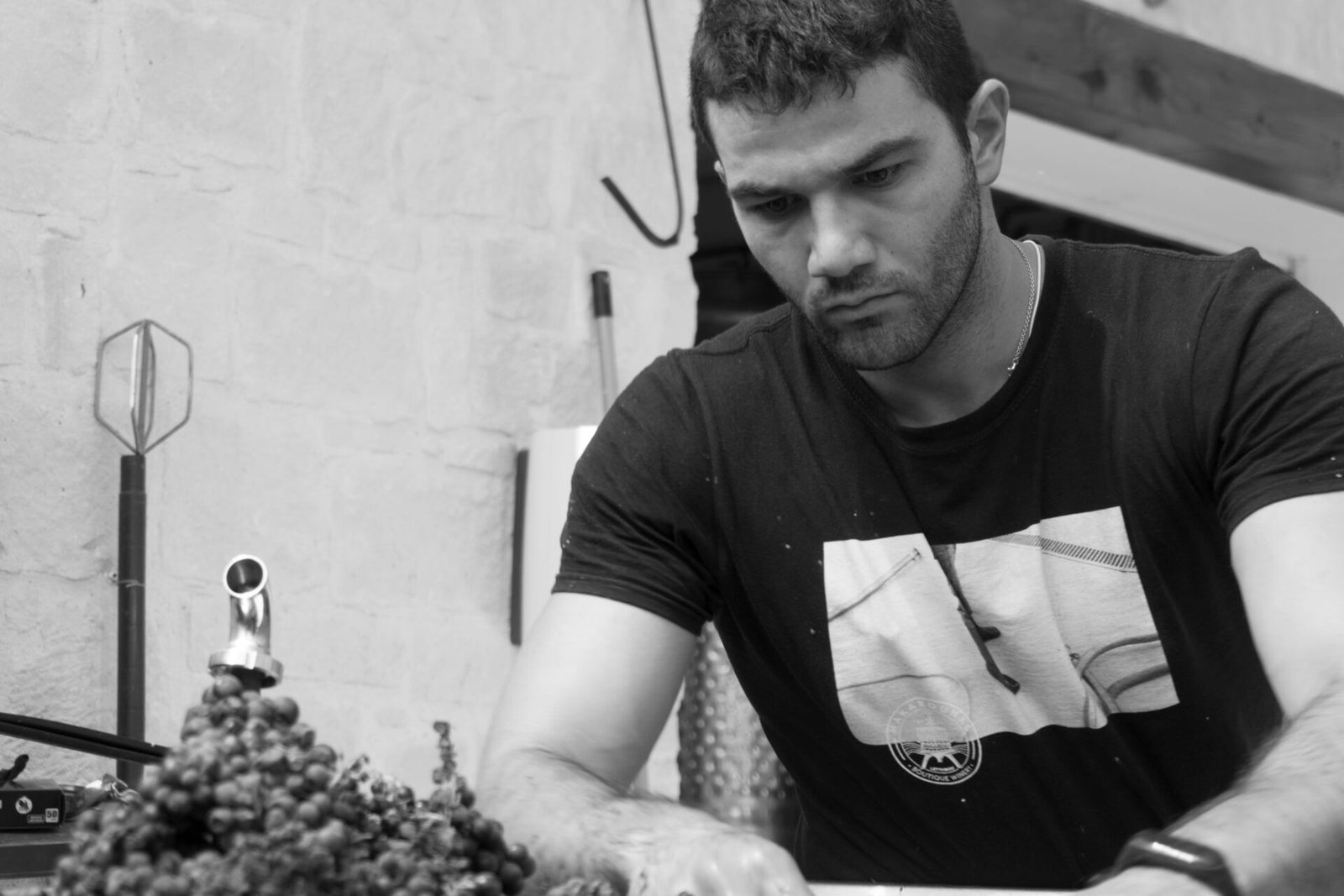
He takes that principle far enough that he chooses to work alone in the cellar, washing the tanks himself. His reasons for this are that working without synthetic inputs leaves little margin for error. It is an approach that produces wines to match exactly in their expression of terroir and local varieties, and, perhaps more importantly, ones that the current market wants.
That commercial awareness Theodoros took from his American education. One of the biggest lessons he came away with is putting the consumer first. Good wine is not enough, nor can it speak for itself. It needs a strong brand behind it and has to answer current demand. Lower alcohol levels are one part of the market’s demand. His whites come in at 12%; his reds at 13%, unusual for wine produced in the Cypriot climate.
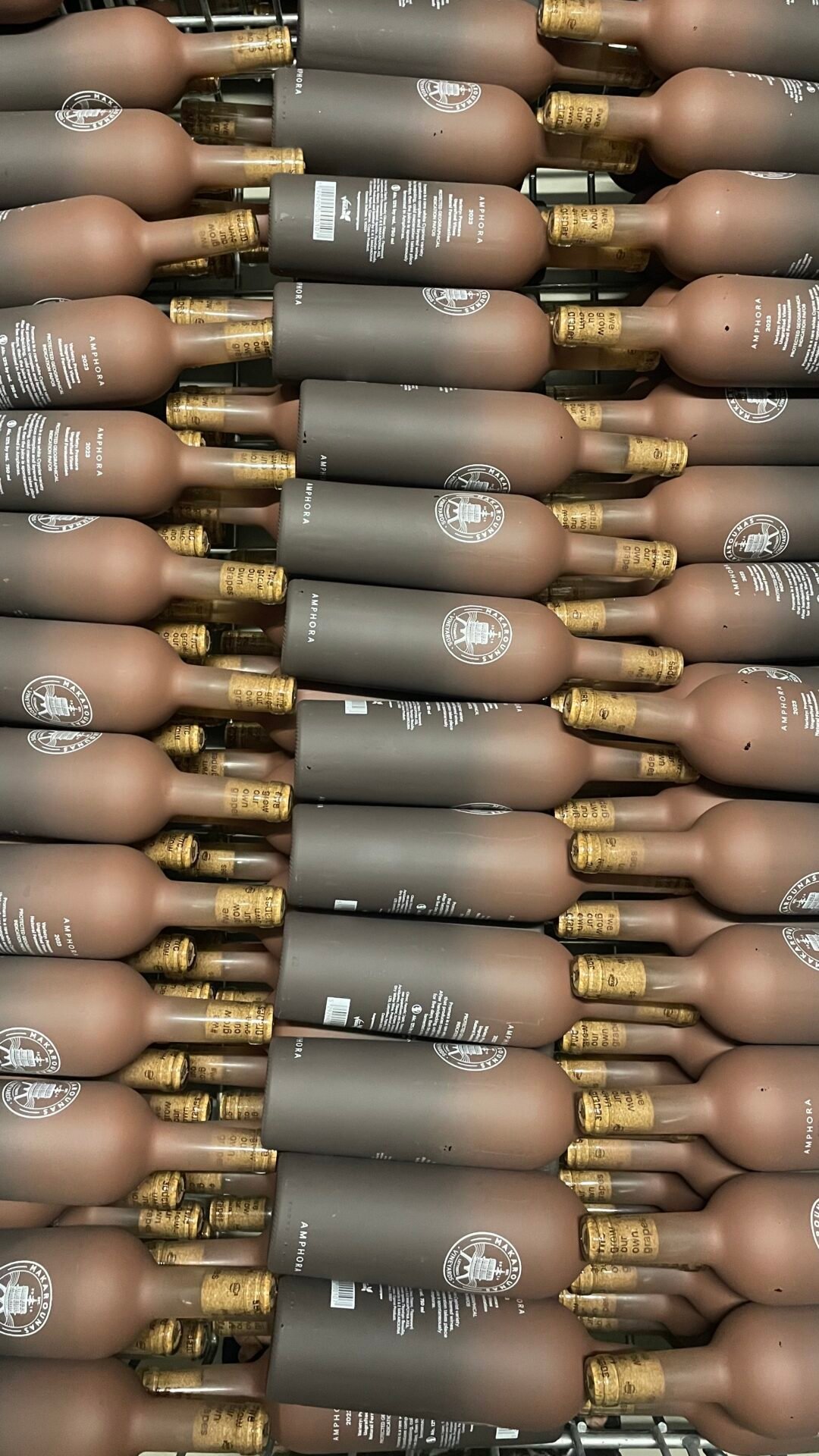
Yet trends are only one part of the story. Theodoros is not afraid to experiment with spontaneous fermentation, whole bunch, skin contact, maceration, and ageing. His Promara is one example of his experiments. He held back until he found the right vessel for fermentation, which turned out to be a French clay amphora, one of the first used in Cyprus for modern winemaking. The clay gave him the oxidation he was looking for and produced a wine that was dense and round.
That freedom to experiment is, in Theodoros’s view, rooted in the absence of a strict wine tradition in the culture. There are no entrenched benchmarks, no canonical styles to measure up to. Alongside indigenous varieties and ungrafted vines, this experimentation is opening doors for Cypriot winemakers on the international stage. The last fifteen years have seen more recognition for the local winemaking culture and have even brought in international awards.
Cyprus, Theodoros believes, will establish itself on the world wine map within a decade, much as Greece did before it.
The fruit, as they say, is ripe for the picking.