
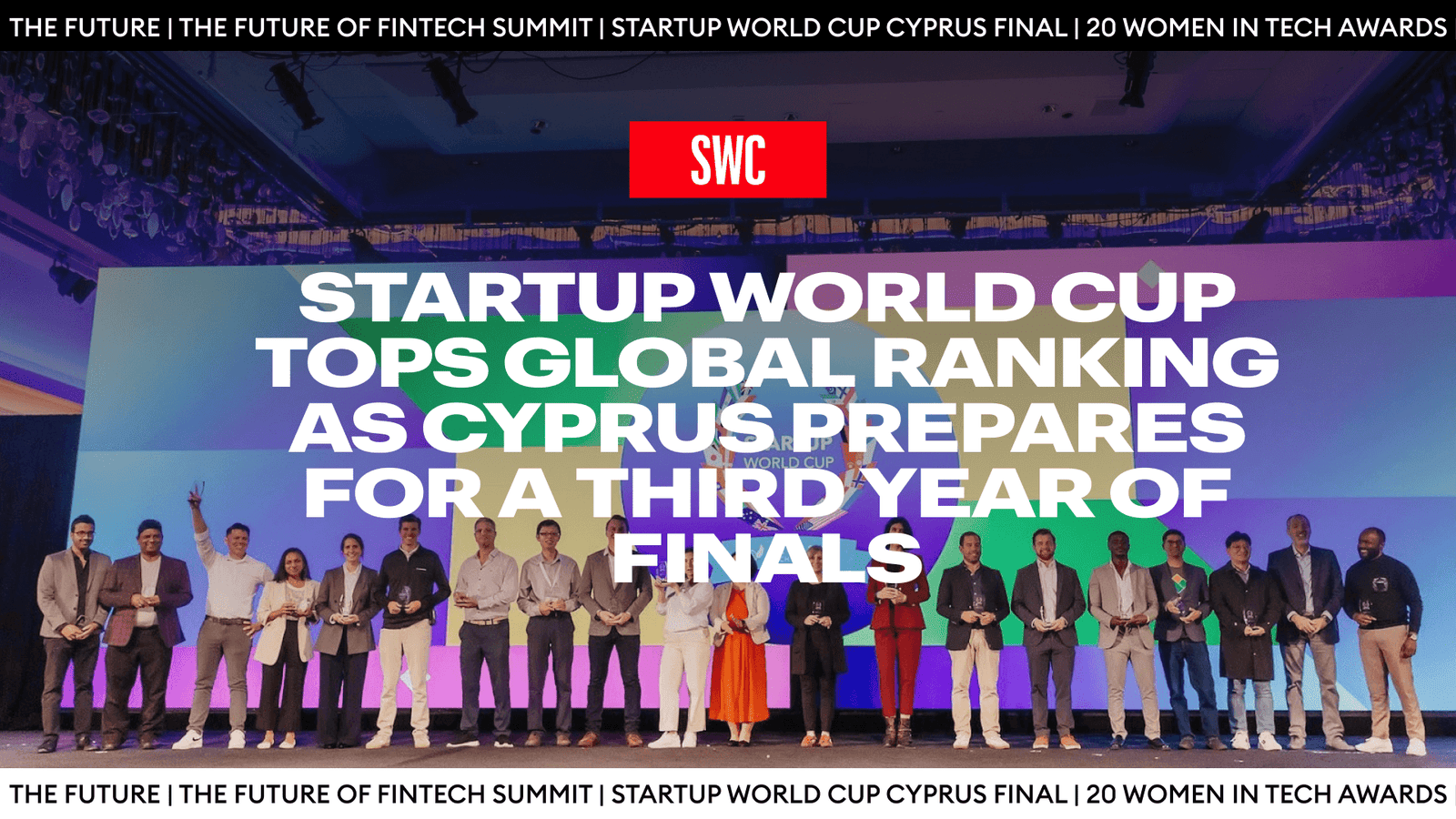
Startup World Cup has been ranked the world’s top startup competition, and it is returning to Cyprus for a third year of regional finals.
In April 2026, Grit Daily named the Startup World Cup as the top global startup competition, ahead of TechCrunch Disrupt Battlefield, Slush 100, Web Summit PITCH, and SXSW Pitch. The author noted the competition “offers global integrations” and “financial investment” to its winning startups, as well, and maybe the most important for smaller startup ecosystems such as Cyprus and Greece, “an ongoing pipeline […] from wide-ranging startups across different markets” that leads to “a high level of collaboration, enabling innovation that changes the world.”
Follow THE FUTURE on LinkedIn, Facebook, Instagram, X and Telegram
This level of access is critical in smaller ecosystems, where networks are often limited and act as a constraint.
Access to the right network in San Francisco can achieve in a day what months of outbound emails often cannot. The ranking strengthens the case for treating these competitions less as events and more as access points.
Not All Competitions Are Built The Same
Grit Daily distinguishes competitions that focus on giving founders exposure, whether a pitch slot, a mention in local or international press, or in the room of potential investors or network, and those that outline a direct route to capital. In this distinction, Startup World Cup sits comfortably at the top of the second category, though it does not skimp on the first either.
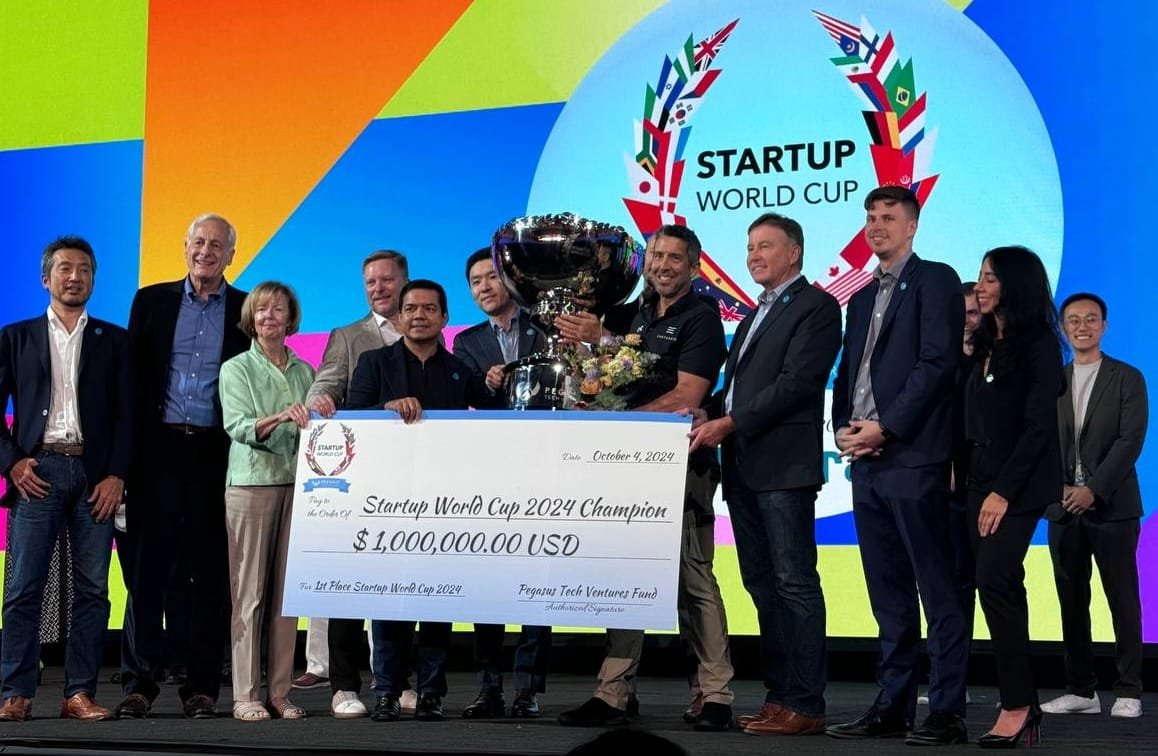
The Startup World Cup runs 100+ regional competitions across six continents, with winners advancing to the Silicon Valley Grand Finale, where finalists compete for a $1 million investment prize. The main organiser, Pegasus Tech Ventures, has backed companies with global brand names such as SpaceX, Airbnb, and Coinbase, which highlights the type of investor attention following the finalists post-stage.
The rest of the top five startup competitions reflect different strengths.
TechCrunch Disrupt Battlefield ranked second, driven by brand reach and its proximity to the US venture circuit. The media company “provides a high level of brand recognition and media reach, giving startups vast worldwide exposure.” This recognition is “critical for company momentum” and is a strong draw for companies looking for exposure to a global audience.
Slush 100 in Helsinki came third, recognised as “one of the most powerful platforms for European startups.” The event “focuses on depth more than scale” by curating “its competition carefully, ensuring that only the most promising startups are involved” as well as the “best investors and corporate innovators.”
Web Summit PITCH ranked fourth, driven by the sheer size and diversity of Web Summit’s attendee base. As the largest technology conferences in the world, it ensures startups joining its platform “gain a high degree of visibility among both media and investors, as well as policymakers and corporate leaders.”
SXSW Pitch rounded out the top five. Startups that specialise in consumer goods and services, digital media, and the entertainment industry have the benefit of accessing a “network with a wide range of stakeholders, such as corporate innovators, investors, and creative leaders.”
Cyprus At The Startup World Cup
Startup World Cup launched in Cyprus in 2024 and expanded to Greece in 2025. During the 2024 Cyprus cycle, both Fincom and DISPL secured victories at separate regional finals, earning the opportunity to represent Cyprus at the Global Startup World Cup Finals in San Francisco. In 2025, Calspak won the Cyprus finals in Limassol and advanced to San Francisco, while Grandmama secured victory at the Greece regional finals and also progressed to the Grand Finale.
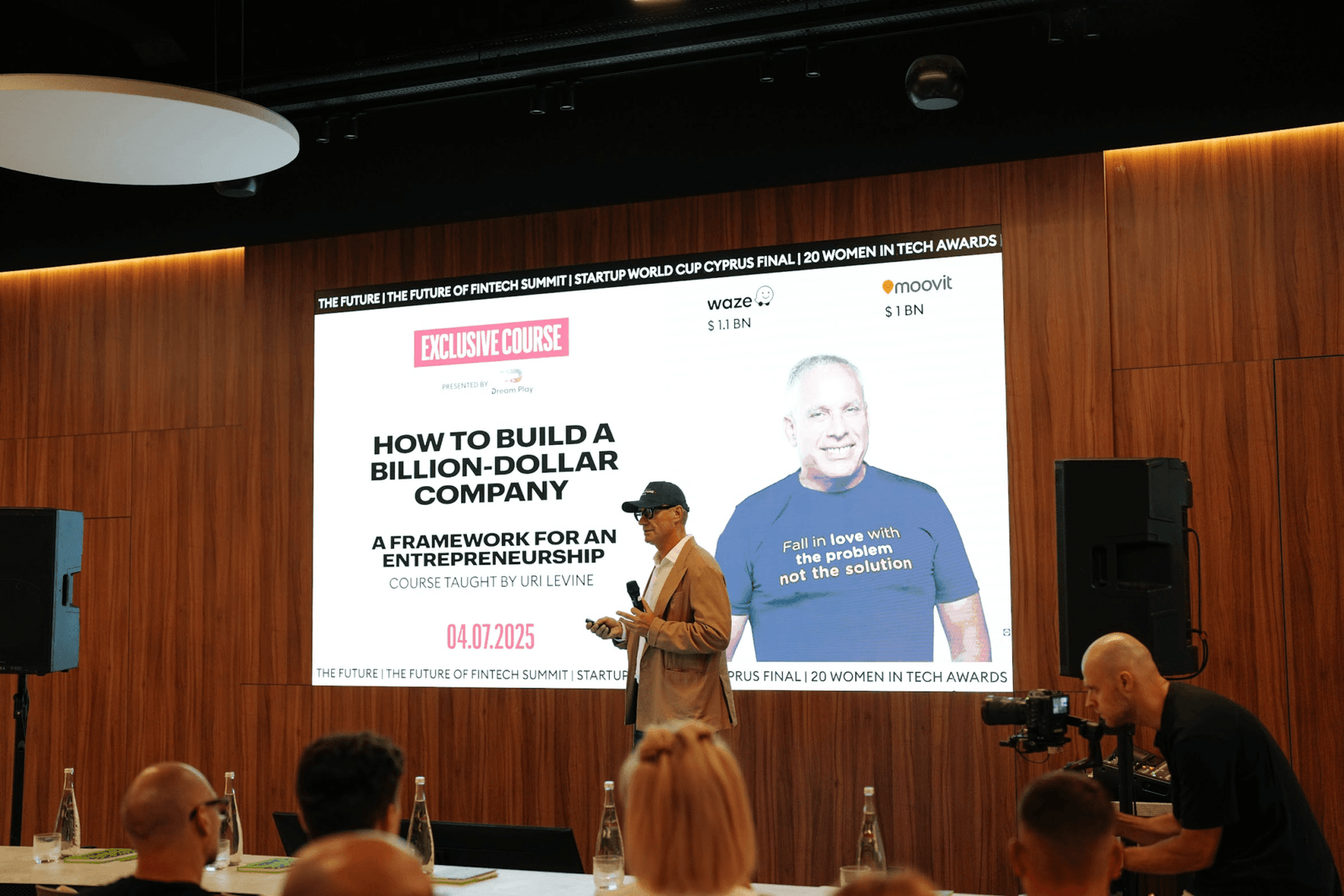
Fincom finished fourth among 100 startups at the global finals in San Francisco, bringing additional visibility to the regional competition on the international stage. DISPL’s participation placed a Cyprus-developed AI-powered retail platform in front of global investors and industry stakeholders, while Calspak’s 2025 win extended that visibility to a deeptech company focused on industrial emissions.
In 2025, Cypriot startups raised $77 million across 13 verified equity rounds, with only three involving local investors and most capital originating from the UK, Europe and the U.S. This reflects the funding gap many founders continue to navigate in smaller startup ecosystems, where access to international investor networks remains limited.
Competitions do not solve that structural issue, but they can provide platforms to networks that can. A company that has already won a regional final is, by definition, pre-screened, coached, and tested under pressure.
Grit Daily’s ranking is not a guarantee of outcomes for Cypriot founders, but it does reinforce why Startup World Cup has become a serious fixture in smaller ecosystems. It is a global series with a clear incentive structure and investor attention.
Cyprus has already hosted the event twice, and Greece has also successfully launched its own edition. With the new 2026 runs approaching, founders should take the opportunity to take to the stage. It is not just five minutes in the spotlight; those minutes can be the deciding force for follow-up capital, partnerships, and commercial traction, and whether the ecosystem learns to treat these platforms as part of its export strategy rather than a one-off celebration.