



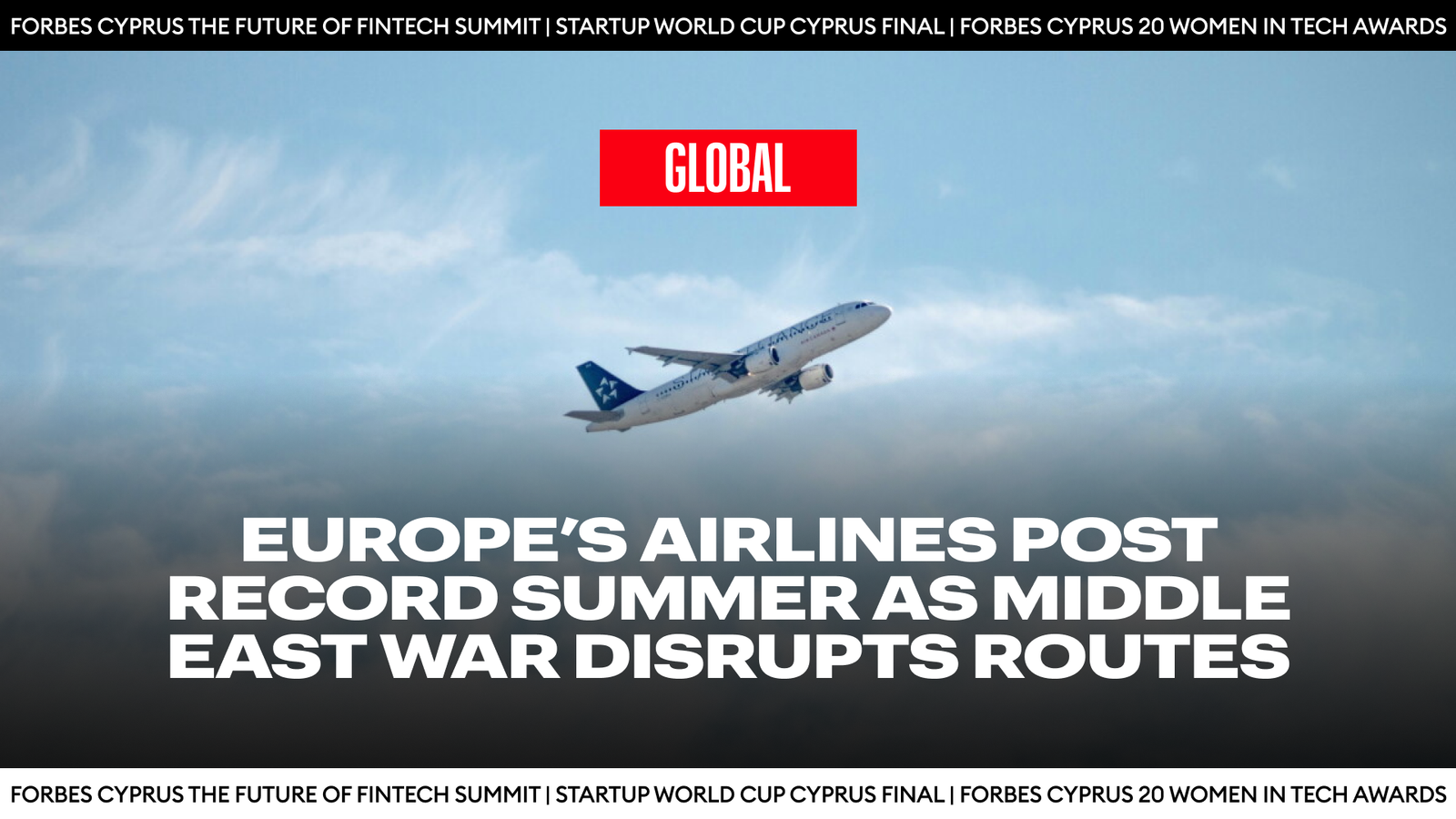
Europe’s aviation network reached an all-time peak this summer, even as the Middle East war disrupted travel flows and altered holiday demand across the continent.
According to data from Eurocontrol, Europe’s air traffic safety body, the region averaged 35,959 flights a day between July and August 2026, up 2.4% from the same period in 2025. The busiest day came on Friday, 10 July, when traffic hit a record 37,640 flights.
Follow THE FUTURE on LinkedIn, Facebook, Instagram, X and Telegram
Delays Improve Despite Heavier Traffic
Even with the increase in flights, performance across the network improved. Eurocontrol said 72.6% of flights arrived on time, a rise of 1.2 percentage points compared with 2025.
France remained the most significant source of delay, with air traffic control management issues accounting for 32% of all delays there. The result underscores a familiar structural problem for European aviation: demand is rising, but parts of the system continue to struggle with capacity and operational constraints.
How The War Shifted Holiday Demand
Eurocontrol acknowledged that the US-Iran war “influenced” this year’s tourist season. In practical terms, the conflict appears to have redirected many European travellers toward destinations within the continent, which are widely perceived as safer and easier to reach amid regional instability.
The report said the war contributed to lower traffic in Bulgaria, Hungary and Türkiye, while driving a “high increase” in demand for Albania, Croatia, Cyprus, Greece, Montenegro, North Macedonia, Serbia and Slovenia. Eurocontrol described the trend as “continuous growth in southwest Europe.”
That shift is especially visible in Greece, where record passenger numbers pushed airport operations to the limit during the peak summer period. For tourism-dependent economies, the surge is a reminder that geopolitical risk can quickly reallocate demand across borders, much like a shock in supply chains forces companies to reroute inventory.
Record Traffic Across More Countries And Airlines
Fourteen countries posted their highest-ever daily traffic levels this summer, including Albania, Armenia, Georgia, Greece, Ireland, Italy, Moldova, North Macedonia, Montenegro, Portugal, Serbia, Slovakia, Spain and Türkiye.
Several airlines and airline groups also recorded historic traffic volumes, among them Aegean, Air Serbia, easyJet, Jet2.com, Pegasus, Royal Air Maroc, Ryanair, Sky Express, SunExpress, Turkish Airlines and Wizz Air.
The message from this summer is clear: Europe’s travel market remains resilient, but it is also increasingly shaped by external shocks. War, capacity constraints and shifting traveller preferences are now interacting in ways that can redraw the map of European tourism almost overnight.