



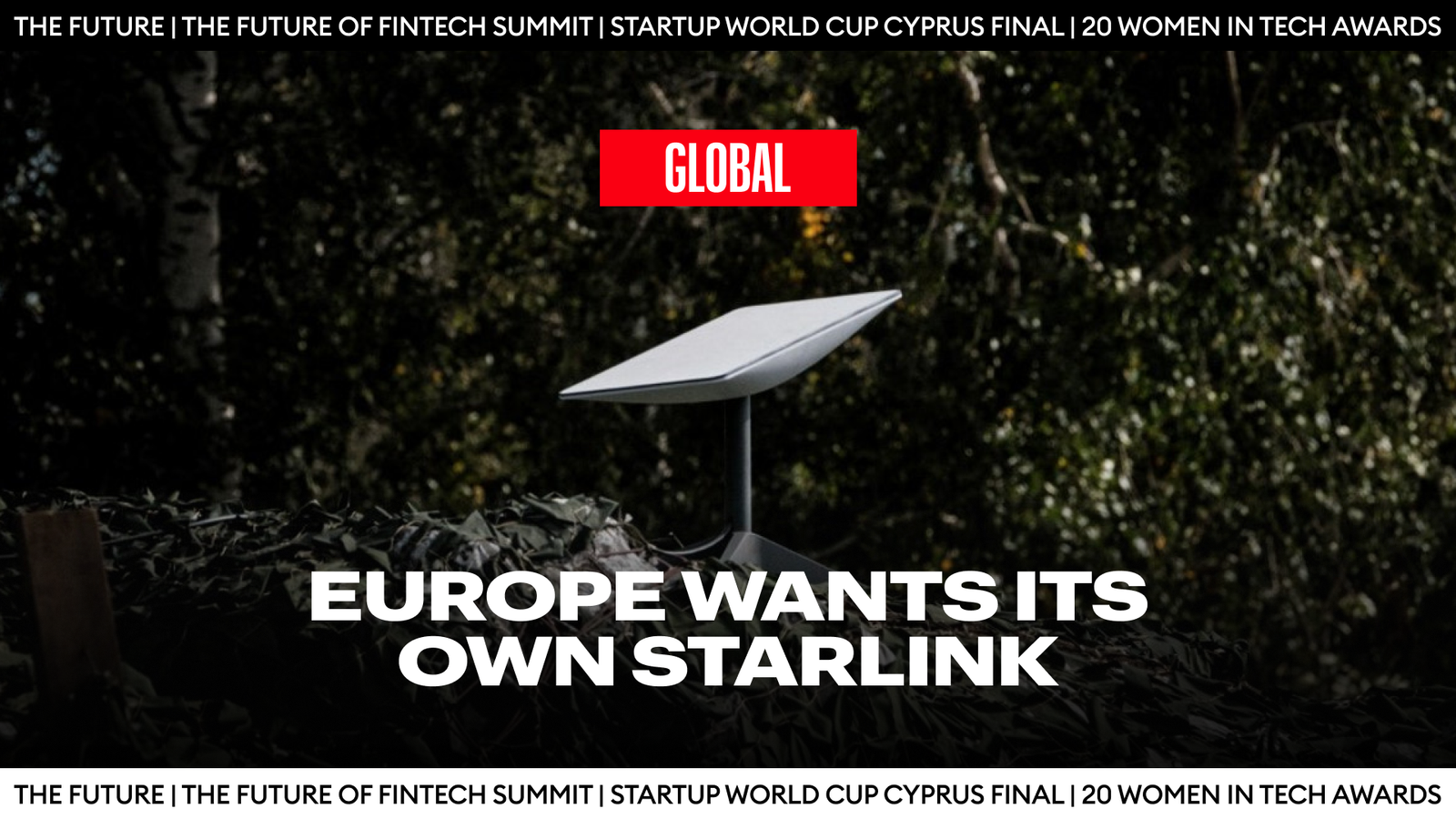
Europe has taken a step towards strengthening its independent satellite communications infrastructure with the opening of a new factory in Belgium. The facility, designed to produce up to 500 satellites annually, will support the EU’s IRIS² network as the bloc seeks greater autonomy in space and a European alternative to SpaceX’s Starlink.
A Factory Designed For Large-Scale Production
Belgian satellite manufacturer Aerospacelab inaugurated its 20,000-square-metre facility in southern Belgium this week. Opened by King Philippe, the oval-shaped factory is expected to have an annual production capacity of up to 500 satellites. The Belgian royal palace described it as the world’s third-largest satellite production site.
Follow THE FUTURE on LinkedIn, Facebook, Instagram, X and Telegram
Aerospacelab has secured a €2.4 billion ($2.6 billion) contract to build 264 of the 348 satellites planned for IRIS², the EU’s secure connectivity constellation. The company says the network is intended to form the backbone of Europe’s sovereign and resilient communications infrastructure by 2030.
Employees are expected to move into the facility in January, with production scheduled to begin by the end of 2028, according to AFP. The factory will be named Ectro from November 30.
Satellite Connectivity Becomes A Security Priority
Satellite networks support a range of critical services, from connecting remote communities and providing communications for ships and aircraft to maintaining government and military links when terrestrial infrastructure is disrupted.
The war in Ukraine has highlighted their strategic importance. Ukrainian forces rely heavily on Starlink, while restrictions on the service in Russian-occupied territories, reported by Ukrainian officials, have raised concerns about dependence on privately operated networks during geopolitical conflicts.
This has strengthened Europe’s interest in developing alternatives. However, the scale of the challenge remains significant. SpaceX says Starlink has more than 11,000 satellites in low Earth orbit and has outlined plans for a constellation of up to 100,000.
Europe’s Satellite Competitors
Other major players are also expanding their satellite networks. Amazon’s satellite business, Amazon Leo, has deployed more than 400 satellites and plans an initial constellation of over 3,200. Meanwhile, France’s Eutelsat operates more than 600 low Earth orbit satellites through its OneWeb constellation.
Eutelsat is also part of SpaceRISE, a consortium alongside SES and Hispasat responsible for developing and operating IRIS². The European Commission has described the programme as a strategic asset in strengthening Europe’s space sovereignty amid the expansion of commercial satellite networks.
IRIS² Expands Its Scope
The EU’s plans for IRIS² have grown since the project was first announced. In August, the European Commission and SpaceRISE confirmed that the planned constellation would increase from 282 to 348 satellites, raising secure communications capacity for EU governments by 60%. The Commission said defence and security requirements were central to the expansion.
The first launches are targeted for the end of 2029, with initial services expected soon afterwards.
Aerospacelab’s new factory represents a major industrial commitment to the project. However, manufacturing satellites is only one part of the challenge. Europe will also need to deploy the constellation, establish reliable services and demonstrate that IRIS² can offer governments and other users a credible, secure alternative to Starlink.