“We’re all coming up with solutions, then looking for problems,” AI and innovation strategy adviser Paris Thomas told participants at the AI in Practice business event in Nicosia.
He was describing the current culture in the global startup space to build products with AI before establishing whether customers needed them. His advice to business owners was to not fall into the trap of following the trend and, instead, to speak with potential customers and test their assumptions before committing further time and money into a business idea.
Follow THE FUTURE on LinkedIn, Facebook, Instagram, X and Telegram
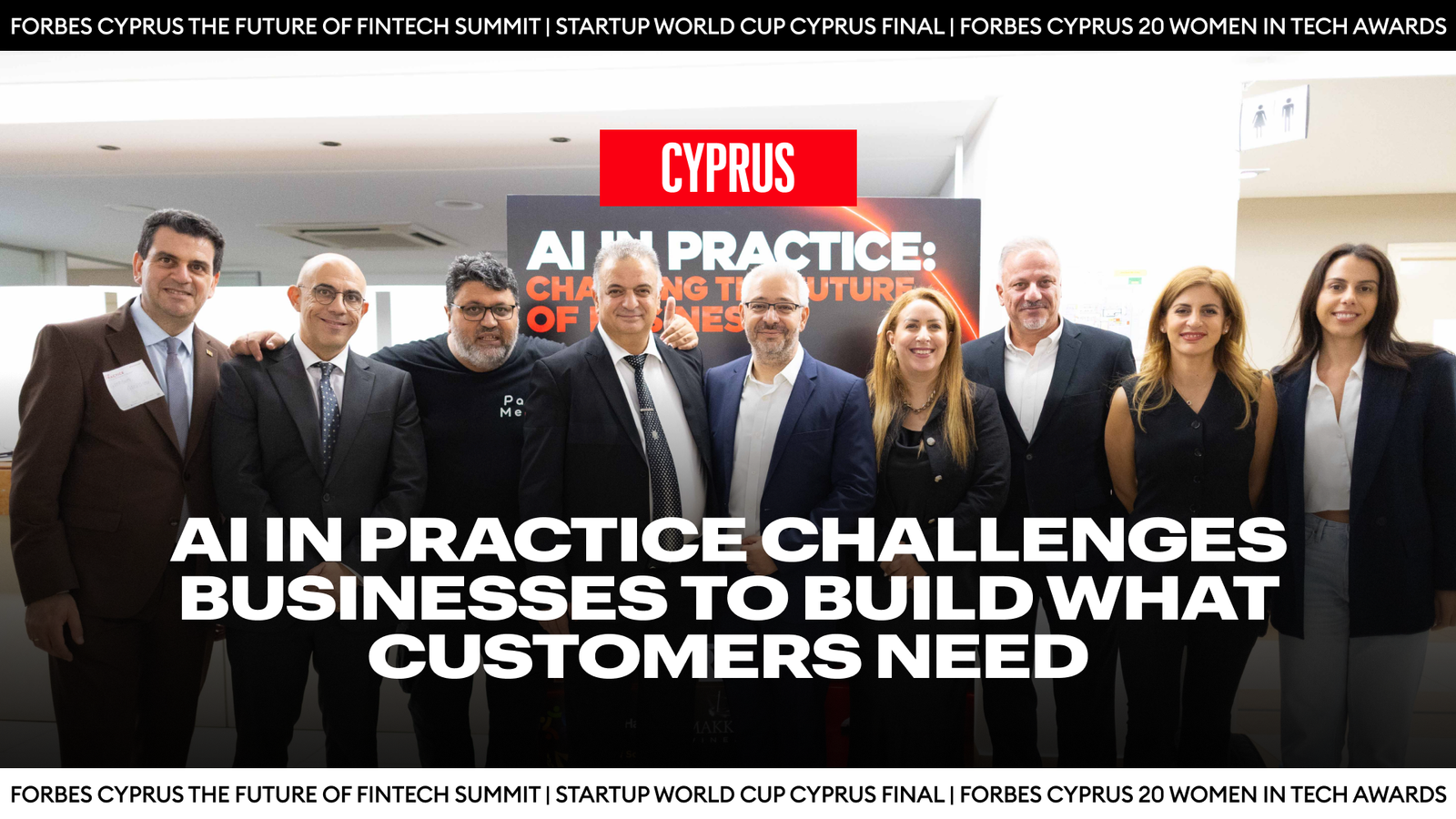
That question took centre stage at the AI in Practice: Changing the Future of Business event, held on Monday, 19 October 2026, at the Cultural Center of European University Cyprus. The evening brought together more than 180 professionals and more than 40 students, bringing total attendance to over 220.
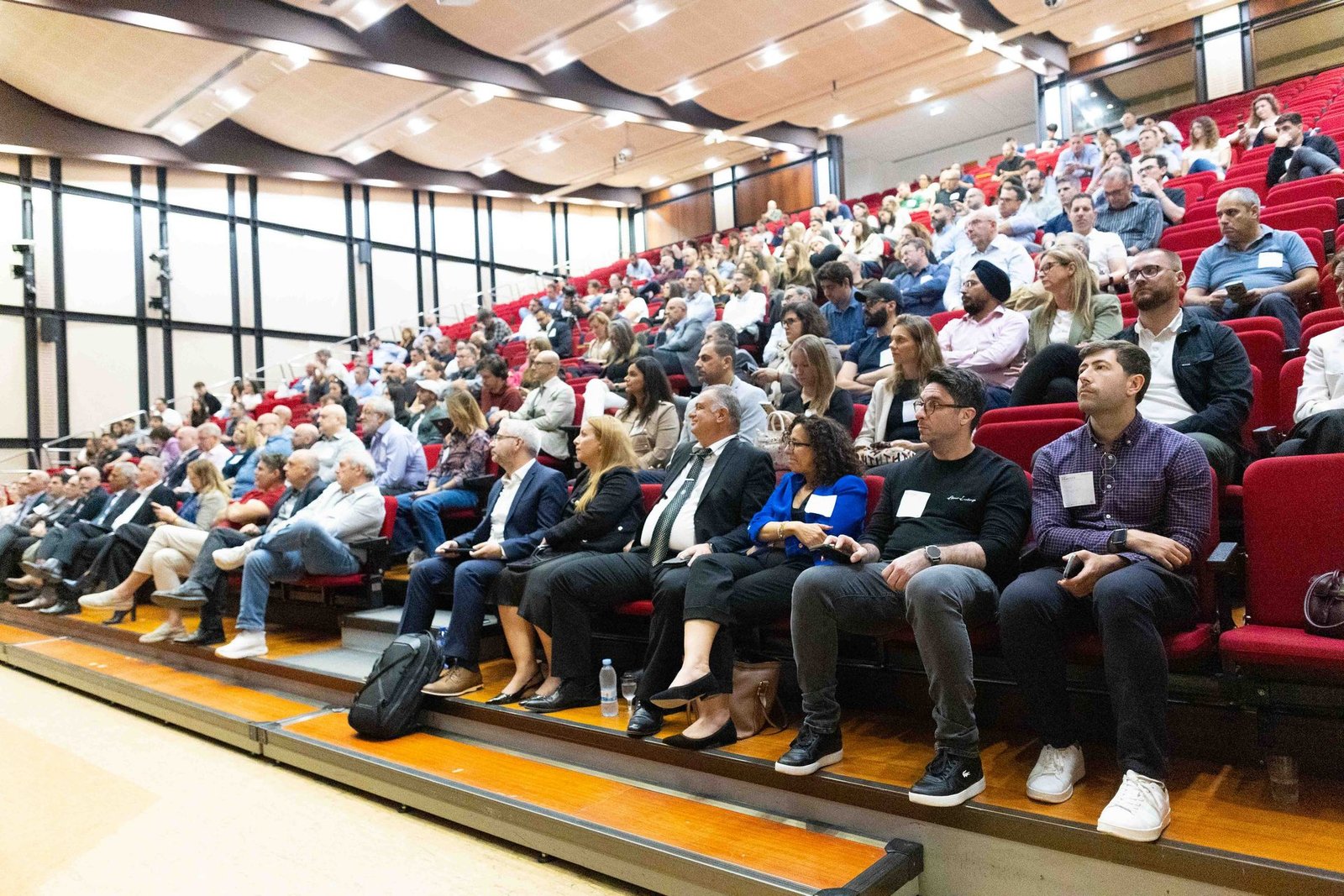
The event was organised by Panis.News in collaboration with GrantXpert Consulting and Future Skills Hub, the university’s centre for professional education and lifelong learning, as co-organisers. The gathering was part of the Panis Meetups series and Startup Greece Week.
“These events act as a wake-up call,” said Panis Pieri, founder of Panis.News. “They show professionals and students in Cyprus how quickly technology is changing and why preparing for that change requires action now.”
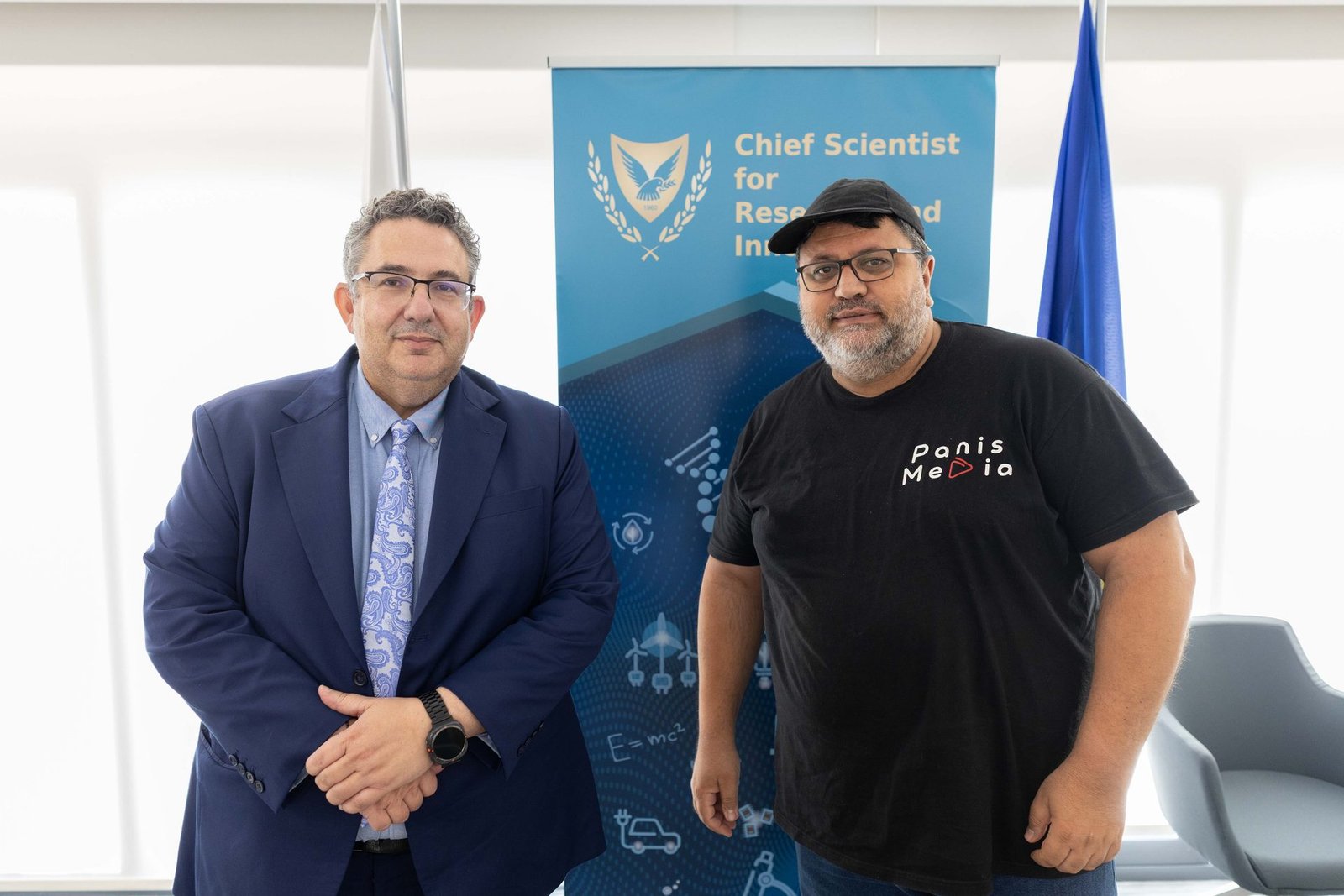
Monica Odysseos, Head of AI and Data Lab at Grant Thornton Cyprus, described how her team approaches organisations interested in adopting AI. Their work begins with understanding the difficulties a business faces and identifying where technology could help.
She called her team “the psychologists of the business.”
“We go to organisations, we understand what their actual problems are, and then we try to find the best solutions and develop the solutions with a team of developers and programmers as well,” she said.
Odysseos used familiar business tasks to explain the differences between AI technologies. Machine learning could help forecast sales, identify customers likely to leave or group customers according to shared interests. Generative AI could produce content such as text, images and code.
She also discussed how businesses could work with language models, whether by using them directly, connecting them to existing software or hosting suitable models within their own infrastructure. The choice depended on the organisation and its requirements.
The most important skill, according to Odysseos, was the ability to adapt. As AI changes, people need to keep learning and be willing to rethink what they already know.
“AI does move very, very fast. We need to keep up, and we need to be adaptable,” she said.
George Malekkos, founder and CEO of Powersoft Computer Solutions, illustrated how those applications could influence a retailer’s daily decisions.
His presentation included stock-management systems that combine sales and availability information with weather forecasts, search trends and social media activity. The information could help a retailer identify which shop was more likely to sell an item already held elsewhere in its network.
The stock-transfer demonstration showed recommendations accompanied by an explanation, with human approval required before a transfer went ahead.
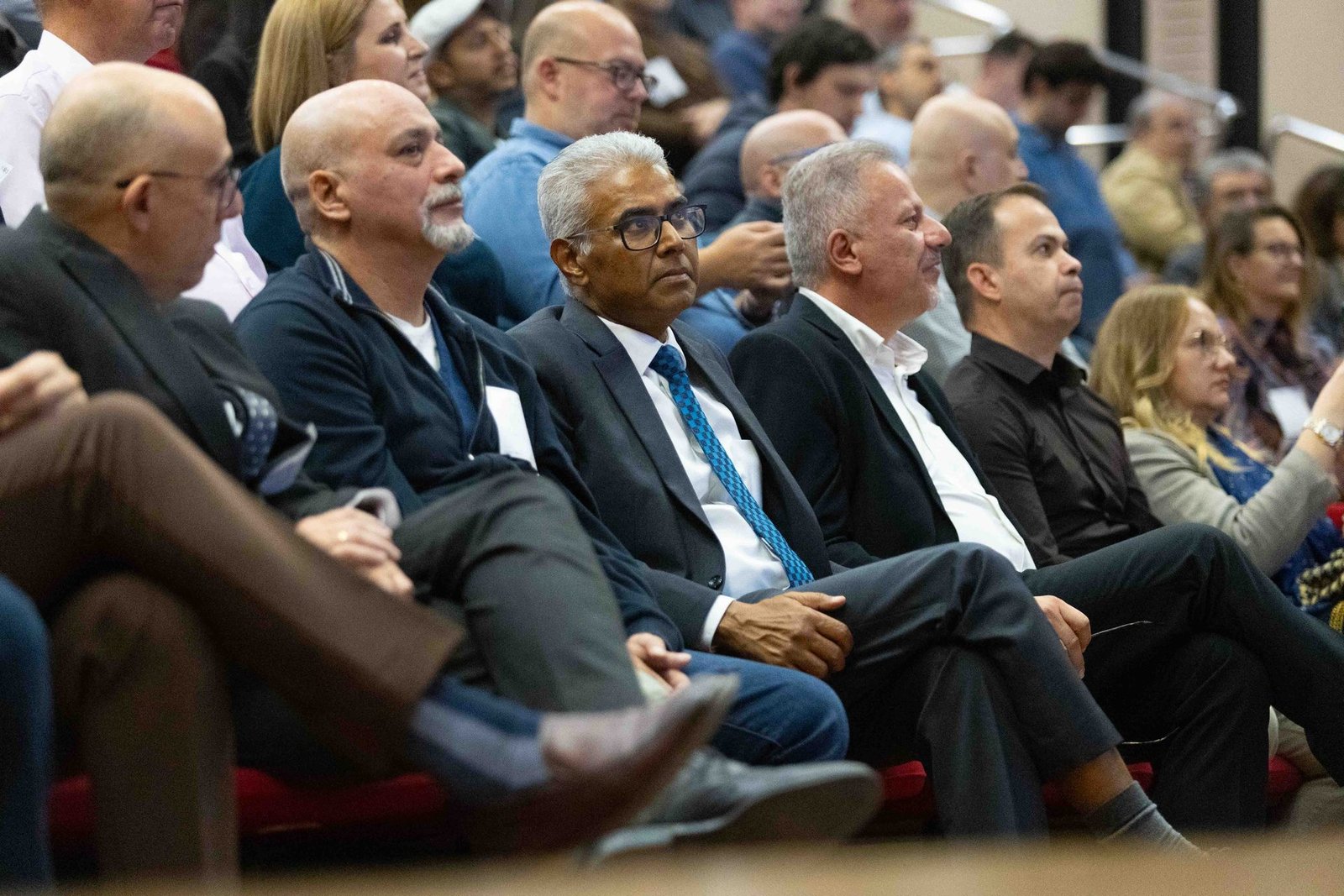
Malekkos also connected inventory to marketing. A system linked to stock information could select available products for promotion or identify slow-selling items that needed attention. That addressed a retail problem that has caused a lot of frustration over the years, which is the marketing team continuing to advertise a product after it had sold out.
Another argument Malekkos brought up was the importance of understanding customer behaviour, which required looking beyond the size of an individual purchase. A shopper spending €1,000 on one visit might have a different relationship with the business from someone returning every month.
“He’s just a big spender who was passing by. A good customer may be somebody who is spending 50 euros every single month in our shop,” he said.
His examples showed how customer data could inform decisions about which products to recommend and which offers to send, with different approaches for occasional shoppers and regular customers.
Paris Thomas’s keynote, AI and the Future of Business: Will Your Business Be Here in 2030?, asked leaders to consider how AI might change the way their companies earn money.
He discussed using AI to explore new products and revenue sources, alongside improving existing operations. Drawing on Steve Blank’s recent arguments about AI and product development, he described the challenge of selecting ideas when more of them could be built quickly.
“It is a lot easier to build, but it is harder to choose.”
Thomas urged businesses to question assumptions about what customers wanted and whether they would pay for a proposed product.
“Test every assumption you have,” he said. “Test it, because you are assuming way more than you think you know.”
He described a process in which AI helps generate and assess ideas before a company takes them to potential customers. Those conversations can reveal why an idea needs to change or whether it deserves further investment.
Where a product could be developed quickly, he encouraged businesses to learn from trying to sell it.
“There’s no faster way to learn than building something if you can do it in two weeks and trying to sell it.”
He acknowledged that this was not possible for every idea. The purpose was to obtain evidence early enough to inform the next decision.
During his presentation, he also demonstrated live how an AI assistant carried out a task. After photographing an attendee’s watch at the start of his keynote, Thomas asked the assistant to prepare a listing. Before he finished his keynote, he showed the watch advertised on Bazaraki.
He also raised a question about employees who take the initiative to automate repetitive work. How should an employer recognise that contribution, and what other responsibilities could those employees take on with the time saved?
The event took place under the auspices of Chief Scientist Demetris Skourides, who contributed through a prerecorded interview. He discussed AI’s potential to improve productivity and help smaller businesses address operational and staffing constraints.
Introducing a chatbot or training one person to use generative AI was only part of the work, he stressed. Organisations also needed to examine their processes, identify useful applications and establish how the benefits would be captured.
Opening the evening, Dr Celia Hadjichristodoulou, founder and managing director of GrantXpert Consulting, highlighted the decisions organisations today face about investment, upskilling their workforce and producing results.
European University Cyprus Rector Professor Loizos Symeou discussed AI’s use in teaching, research and university services, alongside the ethical responsibilities involved.
“We believe that technology should enhance human capabilities and not replace them,” he said.
He connected the university’s work in professional education to the skills people need throughout their careers.
“Preparing for the future requires more than technological knowledge. It also requires cognitive flexibility, creativity, emotional intelligence and the ability to learn and adapt throughout one’s professional life.”
The evening offered the students attending an opportunity, according to Panis Pieri, to understand how their education connected with the workplace.
“For the future workforce, the value is seeing how studies translate into practice and how roles are evolving. AI skills matter, alongside critical thinking, judgment and the ability to learn, unlearn and relearn. The aim is for people to leave with a clearer understanding of the changes ahead and a practical next step.”
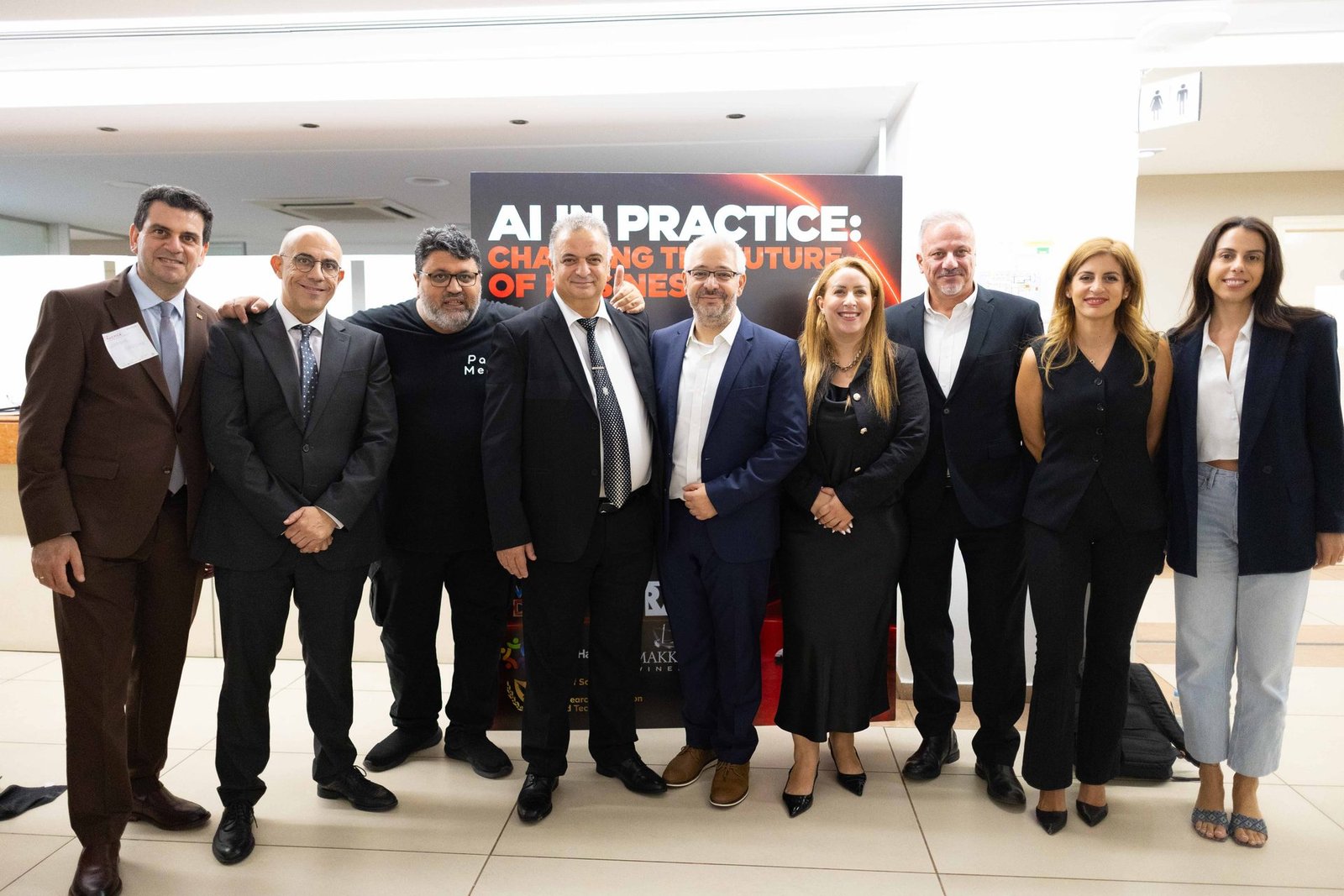
Commissioner of Communications Marios Pieri and members of his office attended, as did India’s High Commissioner to Cyprus, Manish Manish. Participants continued their discussions during the closing networking session.
The organisers thanked Gold Partner AIA.Labs, Silver Partners Growth Hacking Cyprus, RSEVEN, Mel’s Digital and Makkas Winery, together with the event’s supporters, community partners and media.