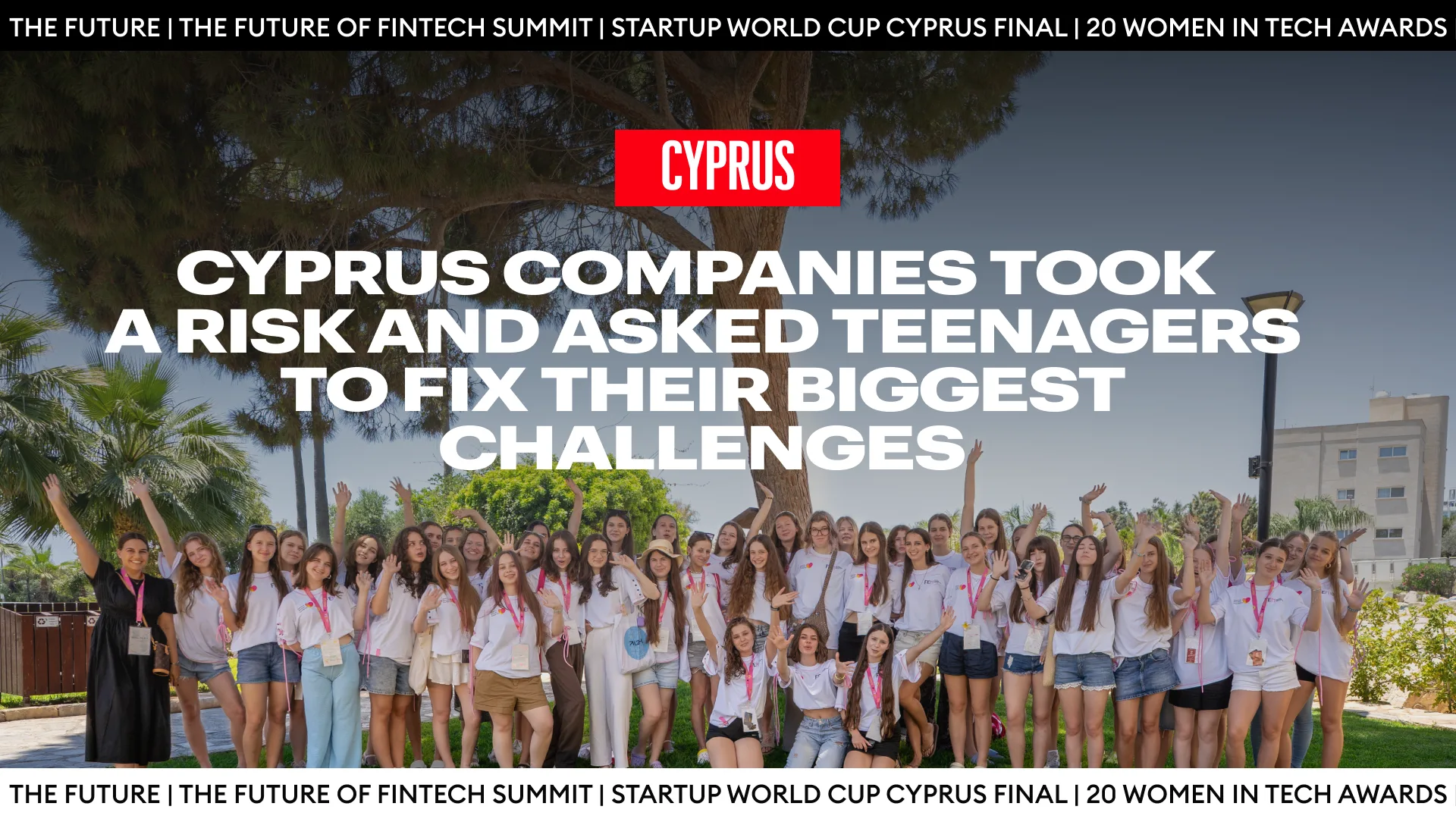
50 girls from 12 countries spent a week in Limassol working on real briefs from Hermes Airports, CNPC, CSR Cyprus, and others.
When Hermes Airports Ltd handed one of its current core business challenges to a group of teenage girls, it was acknowledging something most organisations take longer to admit. The people closest to a problem often see and feel it more clearly.
Follow THE FUTURE on LinkedIn, Facebook, Instagram, X and Telegram
This week, the Kateryna Biloruska Foundation (KBF), with the support of VARTEQ’s tech company, wrapped up the FEM (Future Empowered Minds) Leadership Camp 2026, a five-day leadership program in Limassol. Fifty girls aged 13–17 from 12 countries tackled actual business challenges from some of Cyprus’s most recognised organisations.
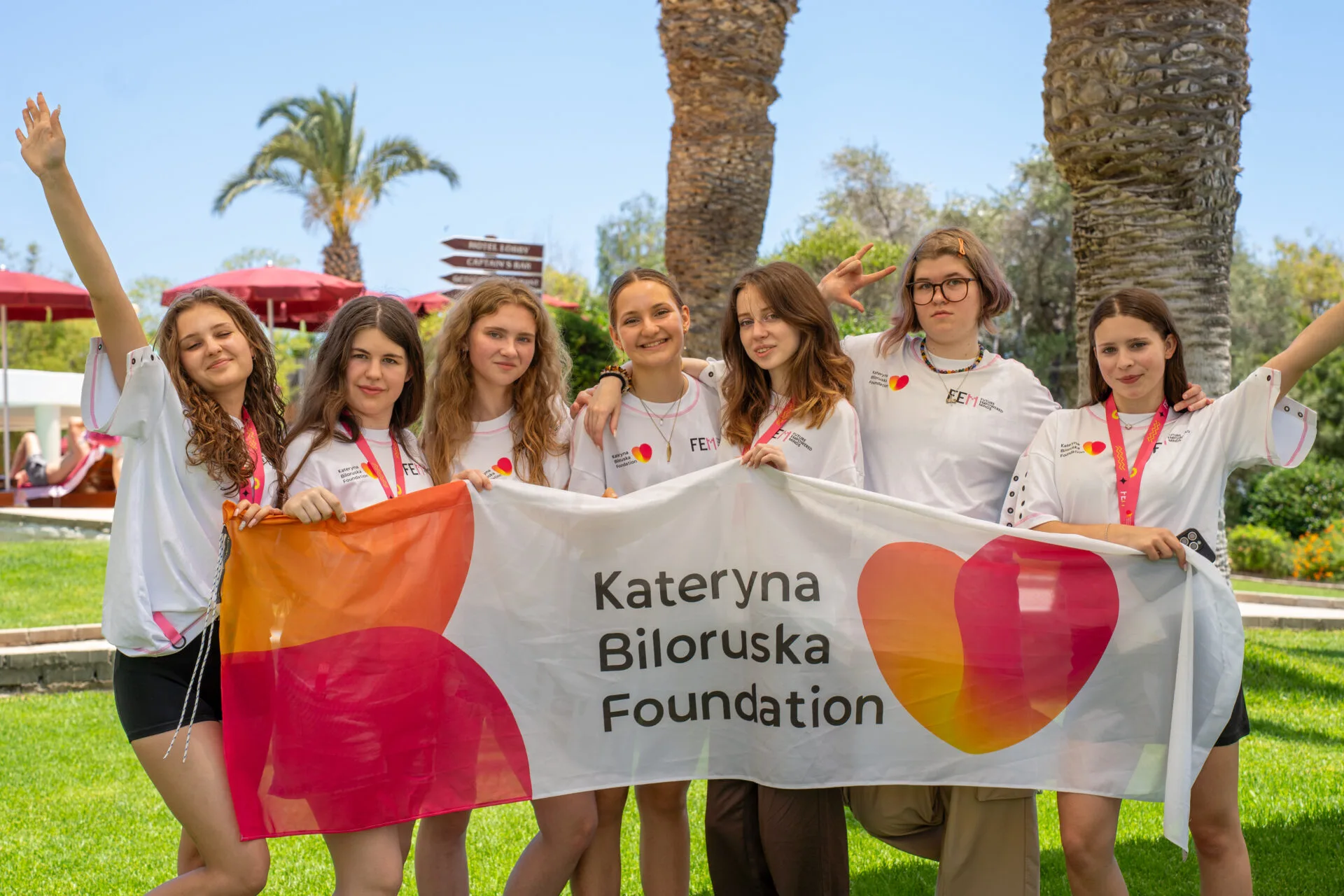
The businesses didn’t go light on the teenagers but threw them straight into the deep end:
- Hermes Airports asked participants to redesign the passenger experience at Larnaka and Pafos airports to reduce stress and increase engagement across all traveler types.
- The Cyprus National Paralympic Committee asked participants to build campaigns that bring para sport into mainstream public awareness.
- CSR Cyprus asked participants to come up with an Engagement Strategy in order to enhance CSR Cyprus’ members engagement, to amplify their impact through joint initiatives and to bring more CSR practitioners together by considering sustainability and environmental footprint.
- Umami Sushi & Pan Asian wanted to know how to become the dining choice of Gen Z in a competitive market.
- Soloveyko Book Store & Lounge asked for a strategy to increase Gen Z visitors to their bookstore and meeting space.
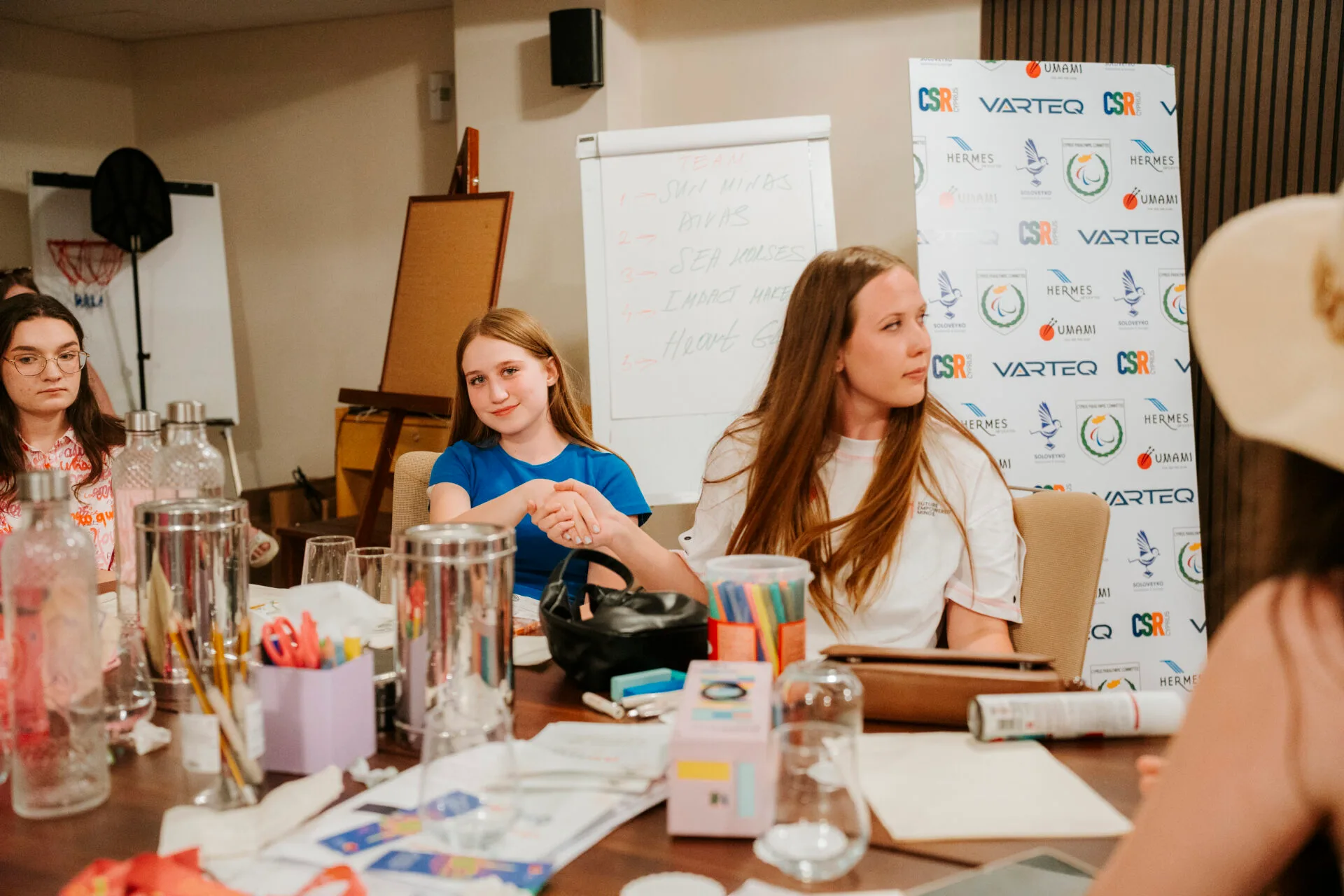
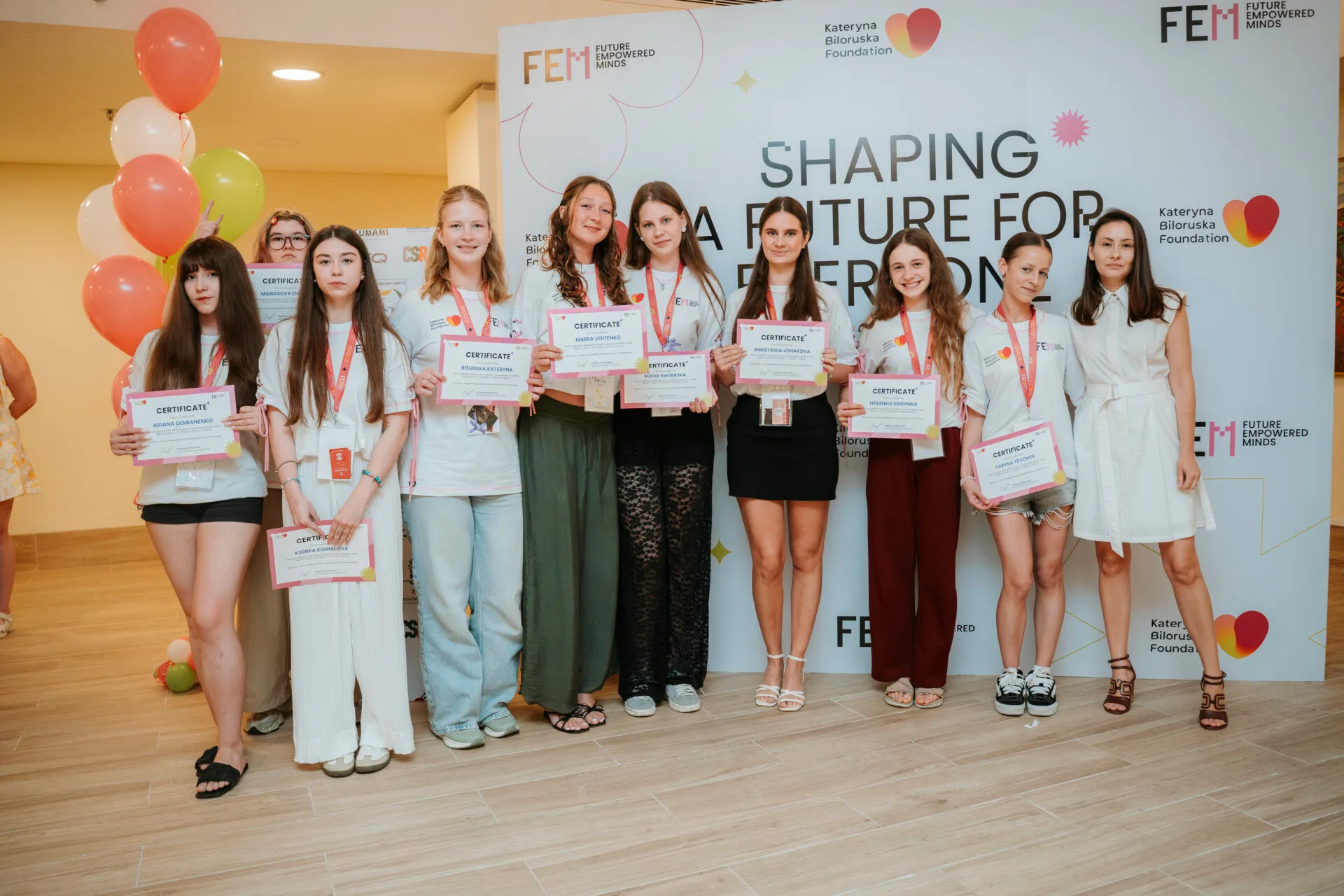
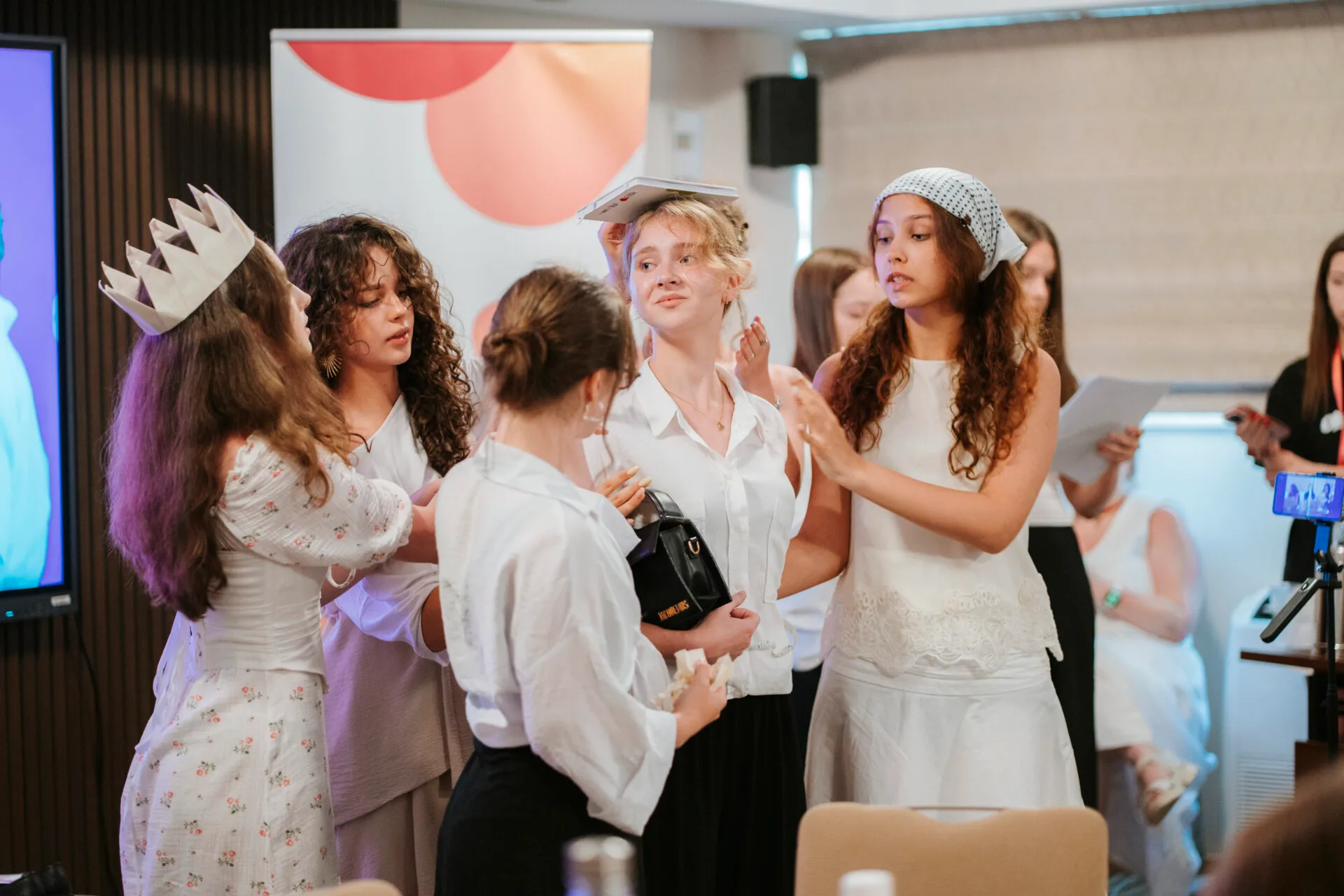
Each partner submitted a real brief. The girls, who had already completed an online leadership course before arriving in Cyprus, worked in teams throughout the week and presented their solutions at a Gala Evening on June 22nd.
Why Cyprus Companies Said Yes
Gen Z is no longer a future consumer segment. In Cyprus, people under 25 already make up a significant share of purchasing decisions in food, travel, and digital services. According to McKinsey’s 2024 report on Gen Z spending behaviour, this cohort influences an estimated 40% of household purchase decisions, and they switch brands faster than any generation before them.
For Hermes Airports, which handles over 10 million passengers annually across its two airports, understanding how younger travelers experience the airport is a business question, not a social one.
“Working with the younger generation helped us to look at our airports through a completely different lens. Their perspective on the passenger experience offers us an opportunity to explore new ideas for consideration at our airports.”
— Natasa Iacovides, Director Human Resources & Executive Coach, Hermes Airports Ltd.
For CNPC, the invitation had a slightly different direction. Para sport remains underrepresented in public awareness despite Cyprus’s encouraging track record at the Paralympic Games. The organisation wanted ideas that could actually change the culture and attitudes towards para sports.
“Para sport needs new voices to tell its story, not just the same channels repeating the same message. When fifty young women from twelve countries come together for a week to think about how to make disability sport more visible, they bring fresh ideas, perspectives, and energy that traditional campaigns often miss. That is exactly the kind of momentum that can change how communities see and value inclusion in sport.”
— Marianna Hadjiandoniou, General Secretary, Cyprus National Paralympic Committee.
What Happened In The Room
The camp brought together participants from Cyprus, Ukraine, and ten other countries. This influenced how teams thought about the briefs. A girl who grew up in Limassol or Pafos and a girl who grew up in Kyiv or Montenegro do not have the same reference points for what makes a restaurant worth visiting or an airport feel safe. That gap turned out to be an asset.
Kateryna Biloruska, founder of KBF, said the format was designed specifically to avoid simulations.
“We didn’t want the girls to practice leadership in a vacuum. Real companies brought real problems. In this case, you don’t have one correct answer. That’s exactly the environment where leadership actually develops.”
— Kateryna Biloruska, Founder, Kateryna Biloruska Foundation.
The camp is part of KBF’s Future Empowered Minds program, which has worked with over 700 girls since its first edition, with 165 alumni. The foundation focuses on youth empowerment through sport, education, and leadership.
The Numbers Worth Noting
- 72% of Gen Z say they would rather buy from brands that give them a role in shaping the product or service (Edelman Trust Barometer, 2024)
- 68% of young people in Europe report feeling disconnected from traditional cultural institutions, including bookstores and civic organizations (European Youth Forum, 2023)
- 1 in 3 Gen Z travelers say the airport experience influences their perception of the destination country (Airports Council International, 2024)
- KBF has reached 350+ young people monthly through its sports and education programs in Cyprus
About The FEM Leadership Camp
The FEM Leadership Camp is organised annually by the Kateryna Biloruska Foundation. The 2026 second edition took place June 17–22 in Limassol, Cyprus, and brought together 50 participants from 12 countries. Partners and challenge contributors include: CSR Cyprus, Hermes Airports Ltd, Cyprus National Paralympic Committee (CNPC), Umami Sushi & Pan Asian, Soloveyko Book Store & Lounge.
About The Kateryna Biloruska Foundation
KBF is a Cyprus-based international charitable organization focused on children and youth empowerment through sport, education, and leadership. The foundation works with 350+ children monthly in sport groups, partners with organizations in 5+ countries, and runs programs including FEM, Together through Football with UEFA Foundation, and “Yes, I Can” for Paralympic athletes.