

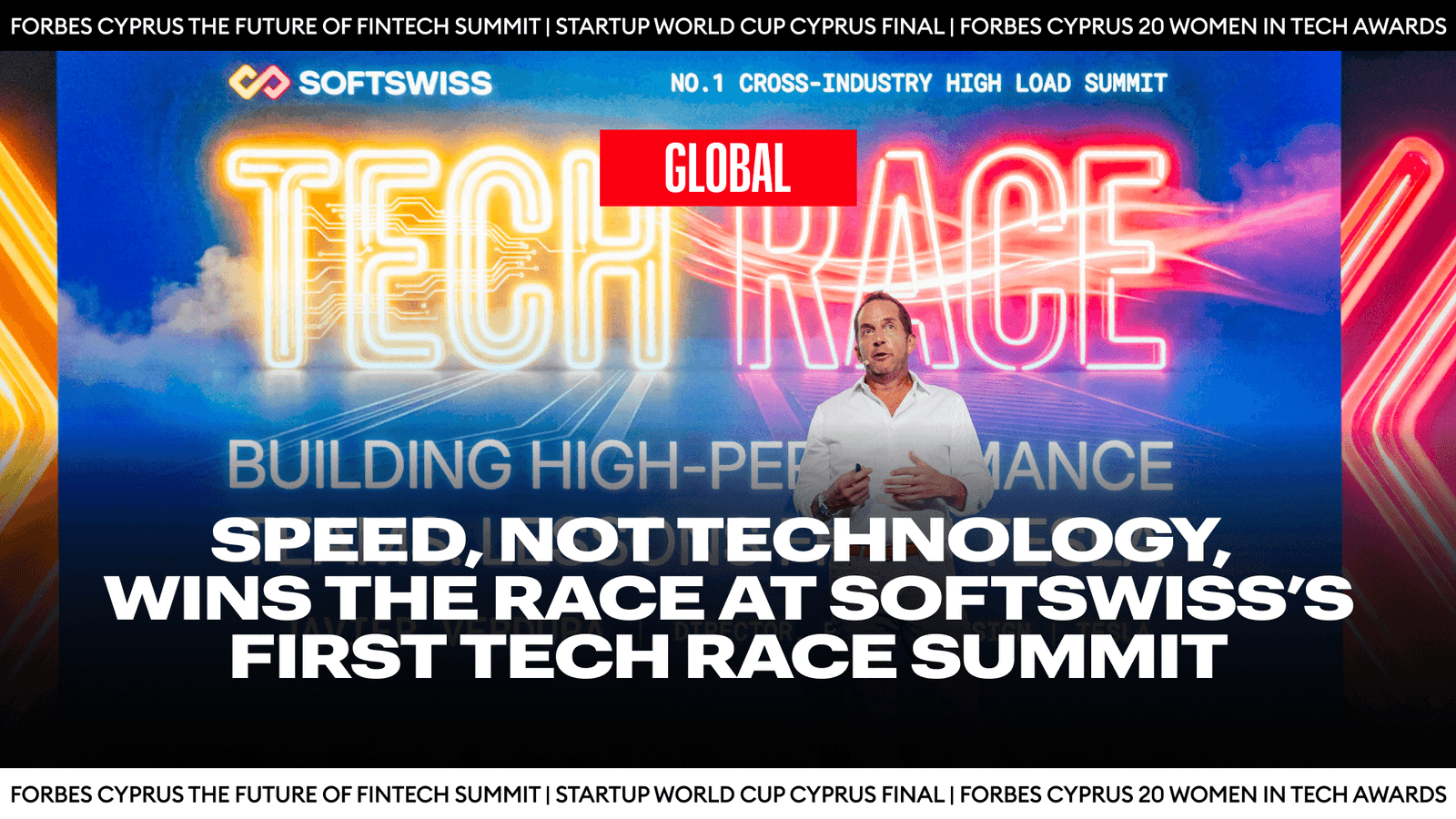
Around 1,500 technology professionals gathered in Warsaw on 10 September 2026 for SOFTSWISS’s first Tech Race Summit. Tickets for in-person attendance had sold out three weeks before the event.
More than 40 speakers took part across the three parallel tracks, including representatives from Tesla, Shazam, PandaDoc, AWS, Oracle, Cloudflare, Google, Fastly, Gcore, ScyllaDB, ClickHouse and Coralogix. The summit was also supported by 17 partners.
Follow THE FUTURE on LinkedIn, Facebook, Instagram, X and Telegram
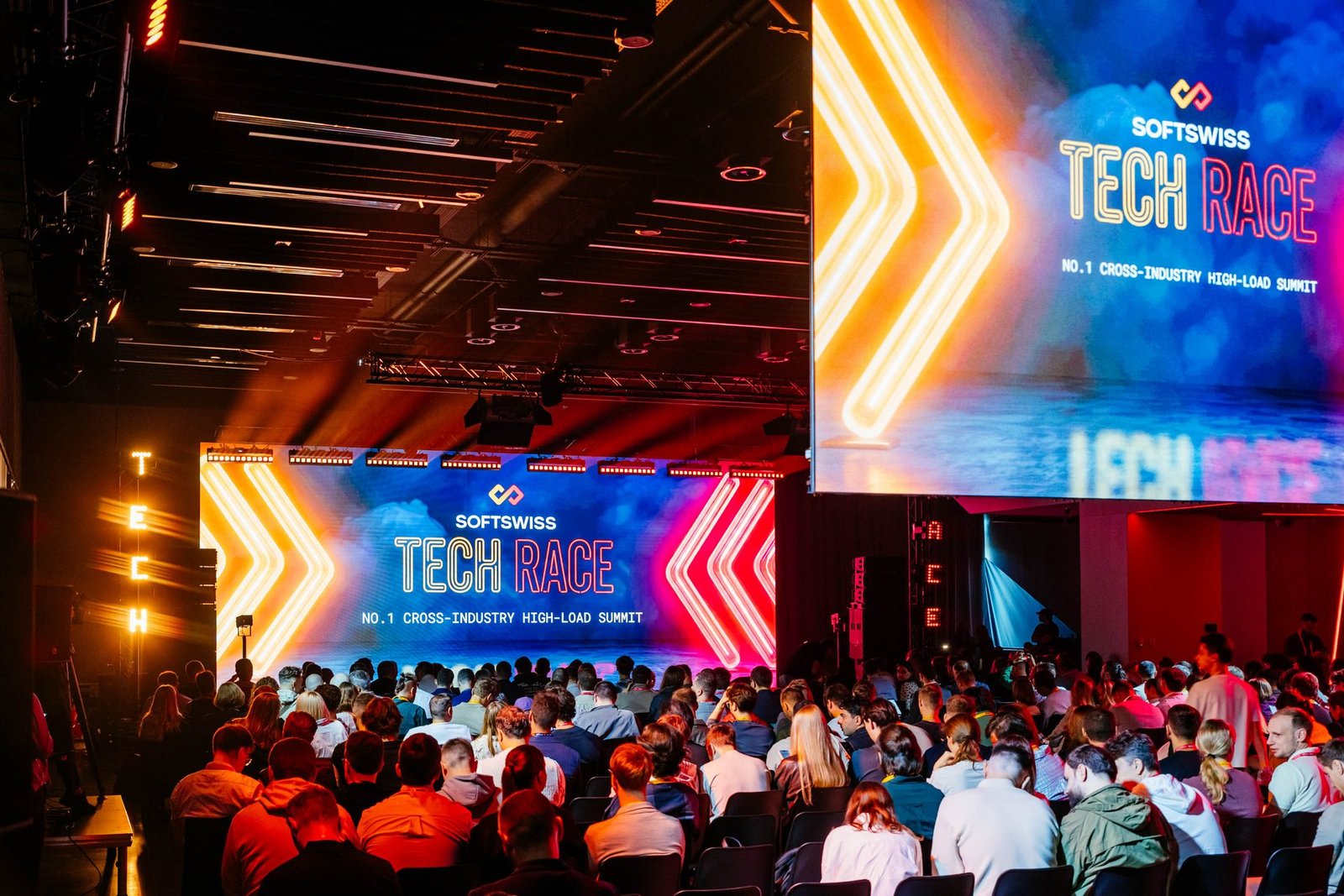
The event opened with a line that captured the growing momentum and ambition of the night: “Three tracks, one direction: forward.” That focus on speed and forward movement would resurface throughout the day.
Giving Technology Its Own Stage
SOFTSWISS launched Tech Race Summit to give engineering and technology a more prominent place in an event calendar usually focused on business growth and regulation.
Sergey Kastsukevich, Chief Technology Officer at SOFTSWISS and one of the masterminds behind the summit, explained the idea through a comparison with motor racing.
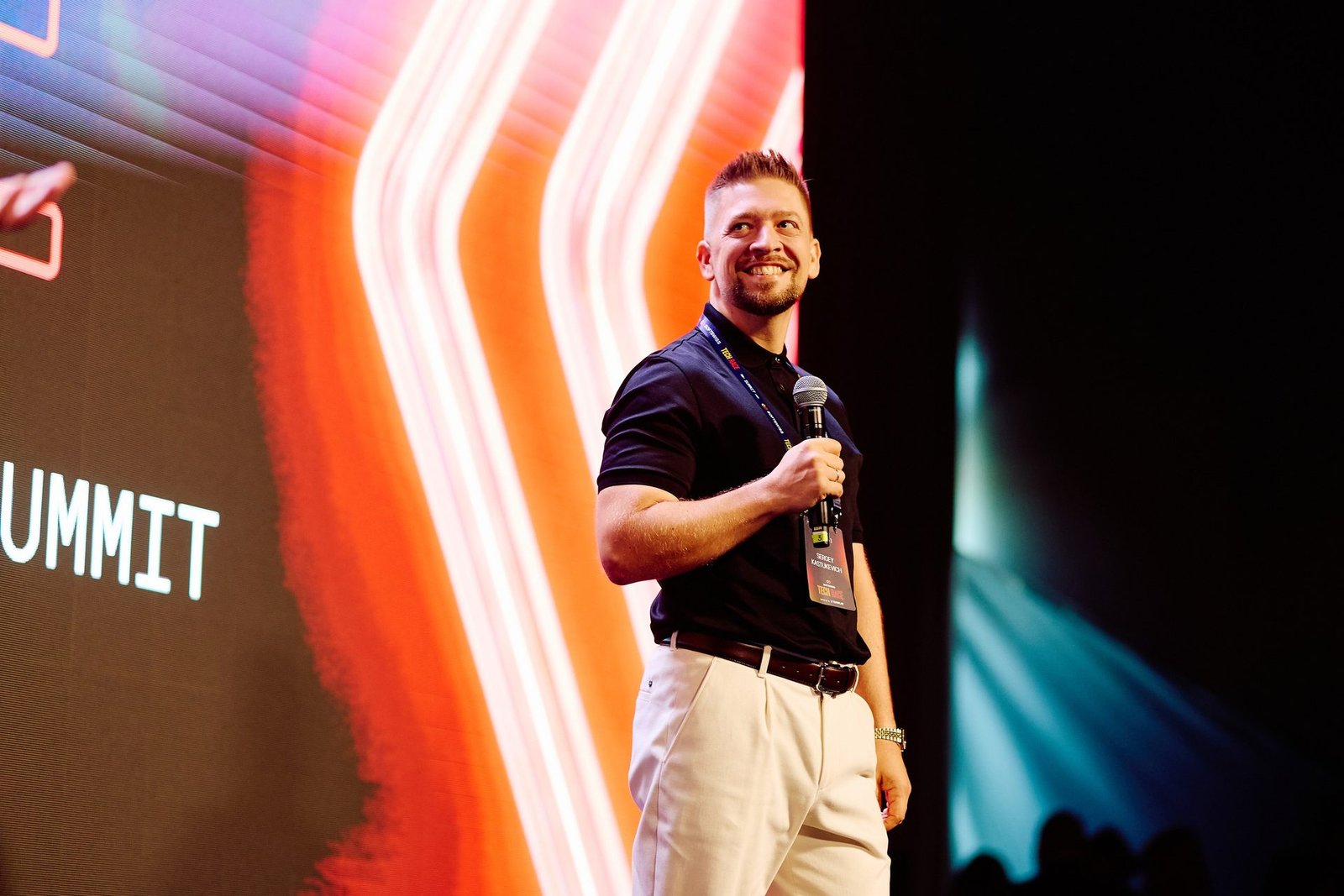
“Every racing paddock has two sides,” he told the audience. “There is a business side with sponsors, partners, business deals done, hospitality suites. And there is a garage where every technical detail gets measured, checked twice and rebuilt until it is done right.”
The digital entertainment industry has long invested in its commercial side, he argued, but technical specialists have had fewer opportunities to meet and discuss engineering. Developers, architects, cybersecurity specialists and AI experts often tackle similar problems but have few opportunities to compare their approaches.
Tech Race set out to give them that opportunity by connecting the digital entertainment sector with the people working on infrastructure, cloud computing and large-scale digital products elsewhere.
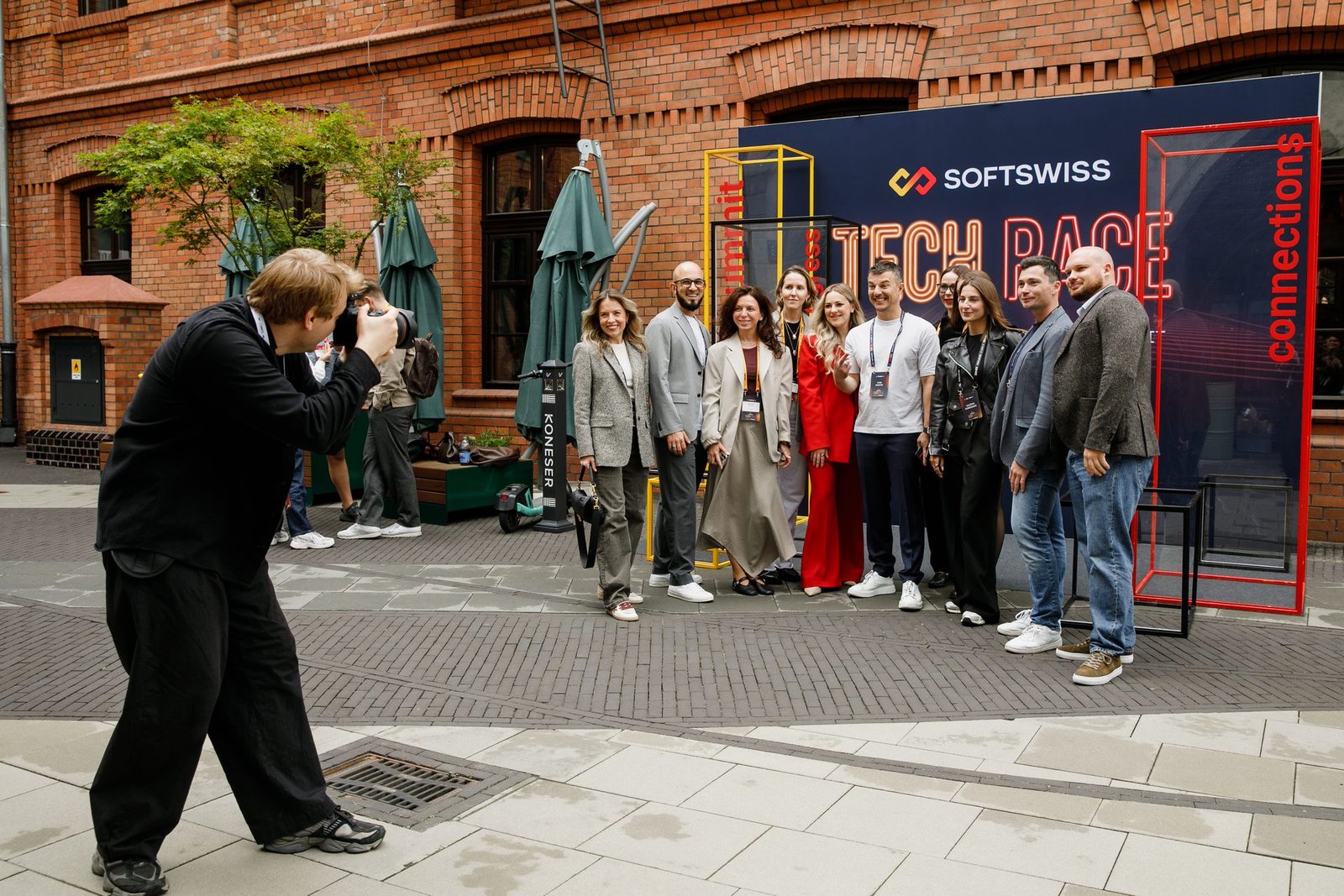
“We are much closer to solving each other’s problems and challenges than we can imagine. We are just normally not in the same rooms. But today, we are,”
Kastsukevich said.
Why Technology Is No Longer Enough
Ivan Montik, founder of SOFTSWISS, opened the day by challenging the assumption behind the summit’s very name.
“The real tech race is not won by technology anymore. It’s won by the speed of decision-making and execution,”
he told the audience.
Montik said technology once gave companies an advantage that could last for years. That advantage has become harder to protect as AI tools allow competitors to develop products and respond more quickly to changing market demands.
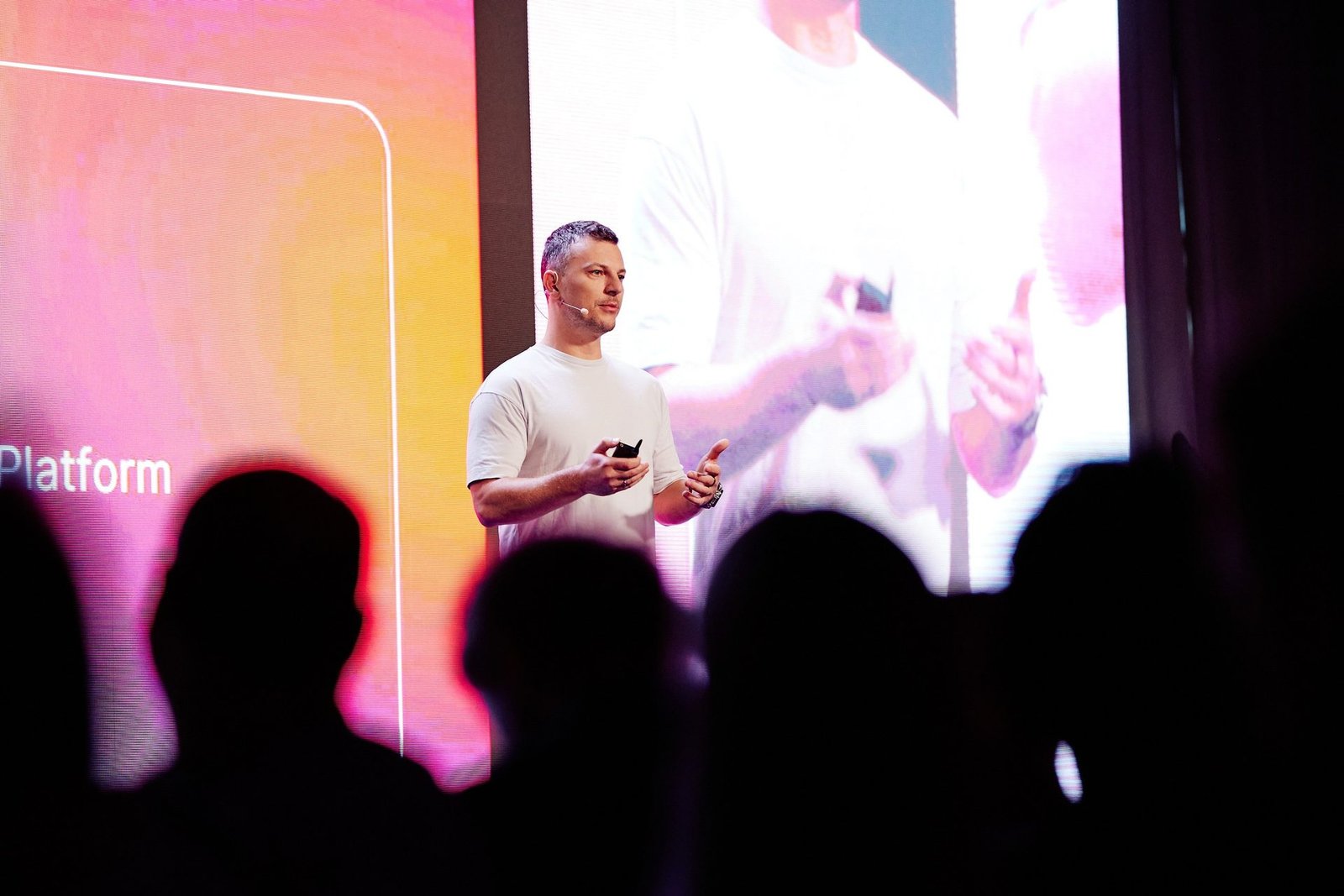
In his view, the difference now lies in how companies are managed. Leaders must be able to make decisions quickly, but that authority should not remain exclusively with those at the top. Teams also need clear ownership and enough independence to act without repeatedly waiting for approval.
“Technology alone doesn’t create value. Decisions do,”
he said.
When it comes to larger companies, Montik advocated dividing work among smaller teams and putting one person in charge of key decisions. The objective is not simply to decide faster at management level, but to ensure that decisions can be acted on across the organisation without delay or dilution as they pass (Chinese whispers style) through different teams.
He also challenged companies to set growth targets above the pace of their market. If an industry is expanding by 10% a year, he said, management should ask what would be required to grow by 20% or 30%.
Montik illustrated his argument with SOFTSWISS’s move into prediction markets. After consumer-facing platforms attracted widespread attention, the company identified demand for a business-to-business product. According to Montik, SOFTSWISS moved from the decision to develop the product to its release in two and a half months.
He attributed that pace to setting clear targets, small teams, and individual ownership of decisions. However, he also warned that speed cannot come at the expense of security or stability.
“Never sacrifice resilience for fast growth,”
he stressed.
Three Tracks Across Strategy And Engineering
The summit divided its programme into the Vision, Solution and Experiment tracks.
The Vision Track examined technology from a leadership and business perspective. Andrey Doronichev, CEO of OPTIC and a former Google director of product management, delivered the closing keynote on the effect of AI on industries and work.
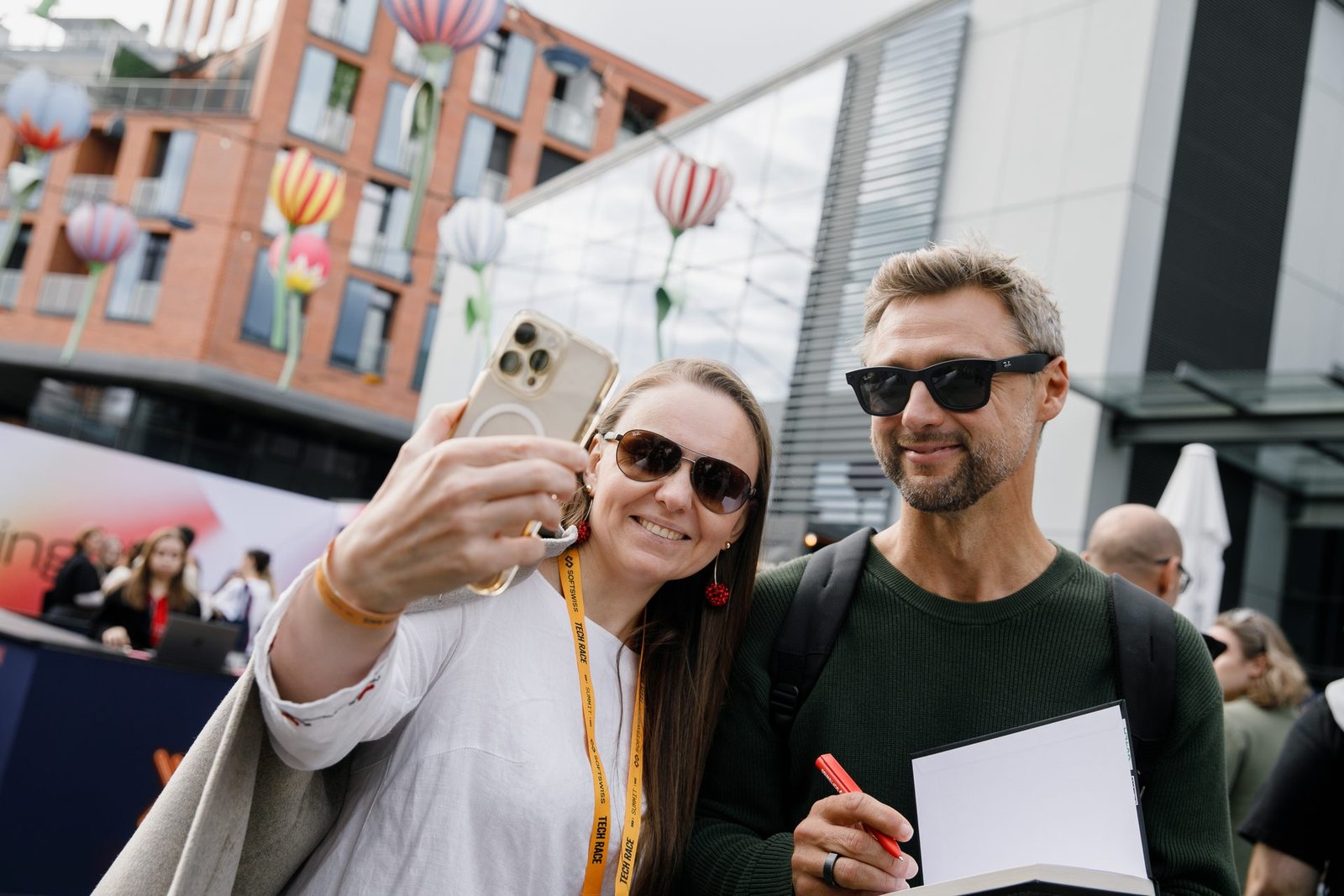
Dhiraj Mukherjee, co-founder of Shazam, reflected on the company’s early development to examine why major technological changes often appear impossible before the necessary infrastructure exists.
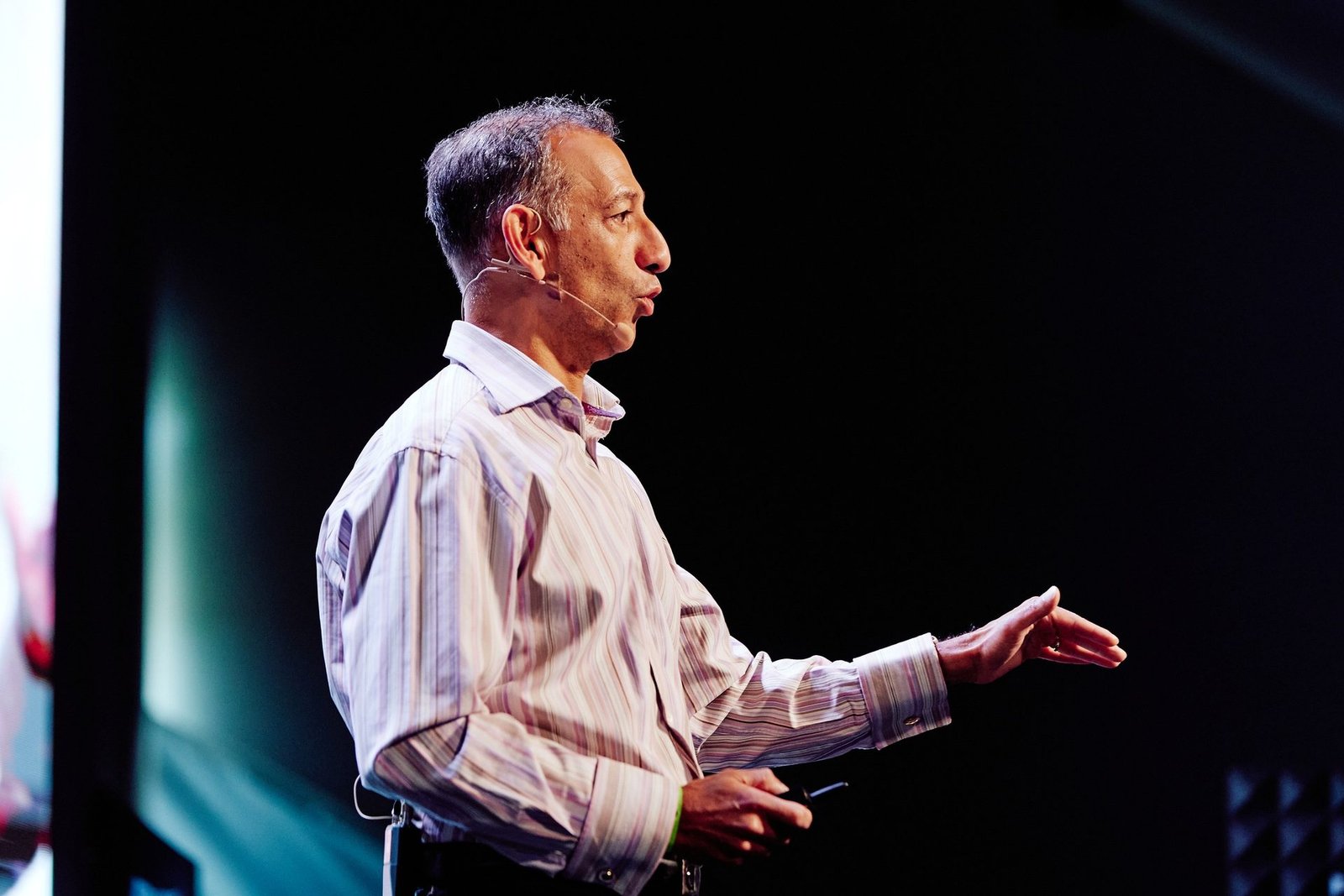
Mikita Mikado, co-founder and Chief Product Officer of PandaDoc, discussed the growing use of automation and AI agents in fundraising, marketing, sales and business development.
Fastly founder and Chief Technology Officer Artur Bergman addressed the future of internet infrastructure. Viktor Vedmich, Senior Solutions Architect at AWS, and Sergey Kurson, Principal Solutions Architect at AWS, presented a roadmap for companies looking to move from early AI experiments towards wider adoption.
The Solution Track focused on the systems and teams behind digital products. Javier Verdura, Global Director of Product Design at Tesla, spoke about building high-performance teams and the relationship between design, engineering and accountability.
Sessions from AWS, Oracle, Gcore and ScyllaDB covered production AI, cloud platforms, edge infrastructure and distributed data systems. Google’s Andrey Kulin also examined what the digital entertainment sector can learn from more established approaches to performance marketing.
SOFTSWISS also presented its own approach to AI-assisted software development. In “From Idea to Verified Change: Rethinking the SDLC with AI”, software architect Illia Slepau introduced the company’s internal Orchestrator.
According to SOFTSWISS, the system coordinates AI agents across different stages of software development, with human oversight at the validation and approval stages. The goal of the Orchestrator is to reduce the time engineers spend coordinating AI-generated work without giving up control over code quality.
The presentation offered a practical counterpart to Montik’s management argument. Faster development depends on automation, but it also requires responsibility for reviewing and approving the work that automation produces.
Experiments Moving Towards Production
Kastsukevich described the Experiment Track as his personal favourite. It was reserved for ideas that may not yet be fully established but could move into the other tracks as they mature.
Dmitry Volokh, Engineering Manager at Google Cloud, questioned whether traditional engineering metrics remain useful when AI changes how software is produced. Alexandra Pryadko of Cloudflare addressed the security considerations involved in releasing public-facing AI products, while ClickHouse’s Tyler Hannan examined how autonomous systems could change companies’ reliance on conventional dashboards.
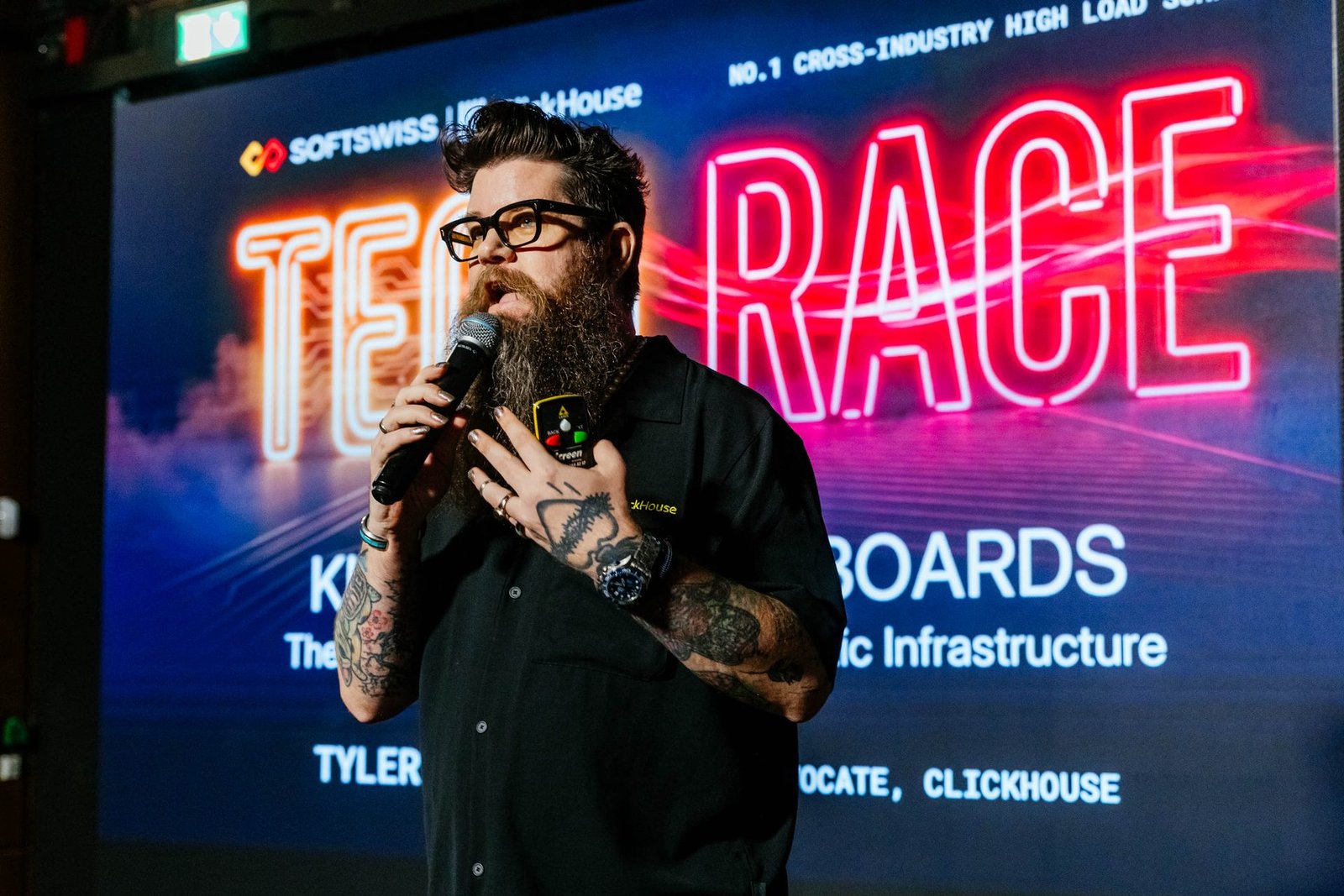
Two sessions showed how quickly experimental AI projects are already reaching production.
Igor Borzunov, Chief Technology Officer at Maincard, presented an autonomous AI operations agent that his team used to reduce incident reaction time to 30 seconds. His session was titled “From 3 AM Pages to 30 Seconds: Building an Autonomous AI Ops Agent.”
Alexander Krivetsky, Chief Technology Officer at BGaming, presented the development of an AI-powered fraud-detection system. His team moved from the initial idea to a production-ready system in three months, including data preparation, model training and integration.
Together, the cases highlighted the summit’s repeated emphasis on speed some substance. They also showed why speed alone was not enough. Both systems had to move forward in environments where technical failures or unreliable decisions could have consequential impact on the business’ future.
Returning To Warsaw In 2027
The exchange of ideas continued between the scheduled sessions, something Kastsukevich highlighted after the summit.
“What was especially rewarding was seeing how many conversations continued between the sessions. People were meeting, exchanging experiences, discussing ideas, and finding common ground. This is exactly what we wanted Tech Race to create,”
he said.
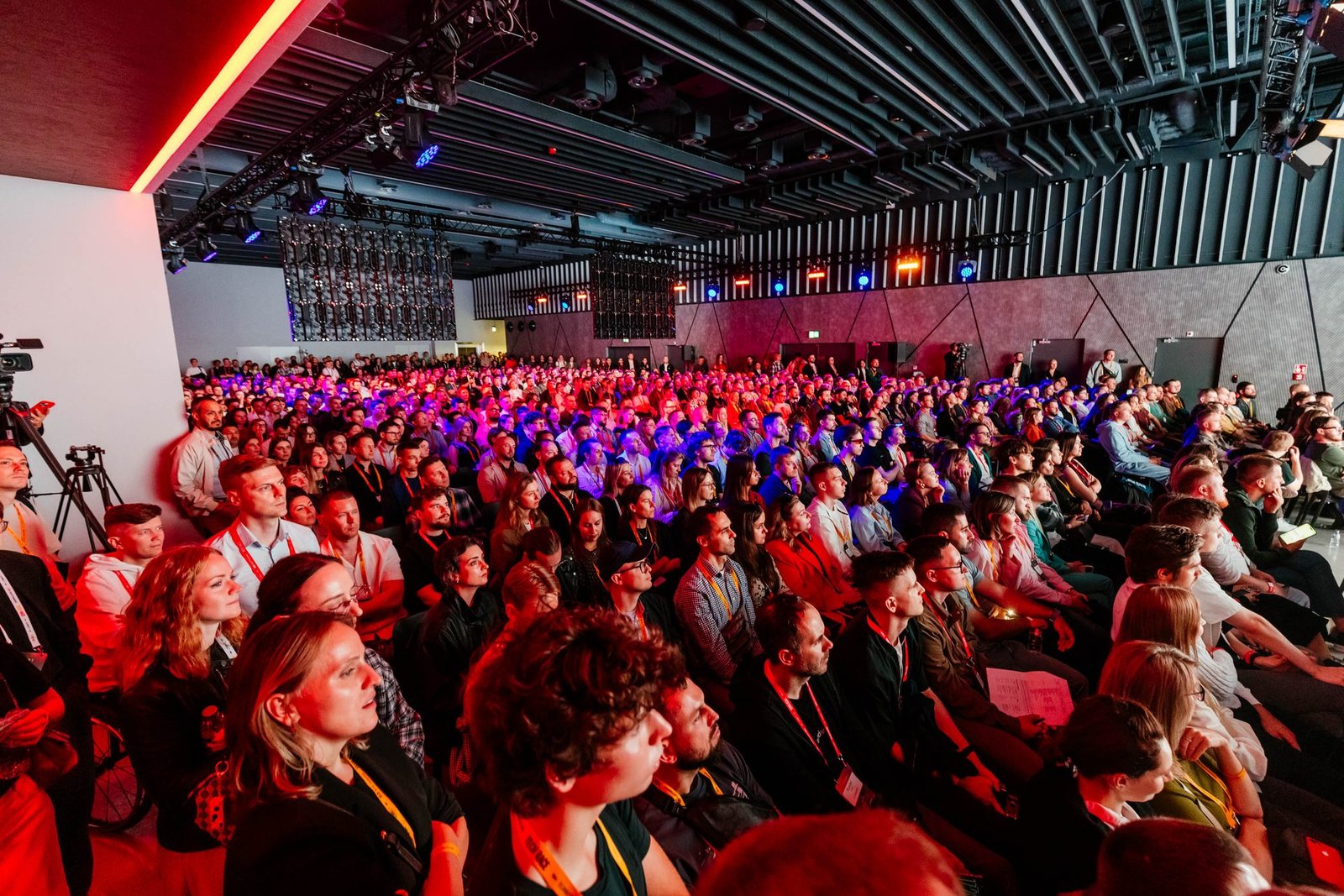
Following the sold-out first edition, SOFTSWISS has confirmed that Tech Race Summit will return to Warsaw in 2027. Tickets are already available on the SOFTSWISS website.
For all the attention paid to AI, cloud infrastructure, and high-load systems, one of the day’s main arguments concerned how companies are run. New technology is becoming easier to access. Changing company culture so teams can use it, make decisions, and learn from mistakes is harder.