SMEs: The Backbone Of Cyprus’ Economy
Small and medium-sized enterprises (SMEs) remain a central pillar of Cyprus’ economy, supporting employment, innovation and local production networks. Their long-term competitiveness increasingly depends on access to modern technologies, operational upgrades and targeted investment that improves efficiency and productivity.
The Thalia Initiative: A Strategic Investment Framework
The Thalia 2021–2027 Program plays a key role in supporting this transition. The initiative provides financial assistance to both new and established SMEs, particularly in manufacturing and selected economic sectors, helping businesses modernize infrastructure, upgrade technology and improve production capacity. With a total budget of €50 million and co-financing from the European Union, the program aims to strengthen competitiveness while encouraging entrepreneurship and job creation.
Follow THE FUTURE on LinkedIn, Facebook, Instagram, X and Telegram
Case Study: Pivo Microbrewery’s Production Revolution
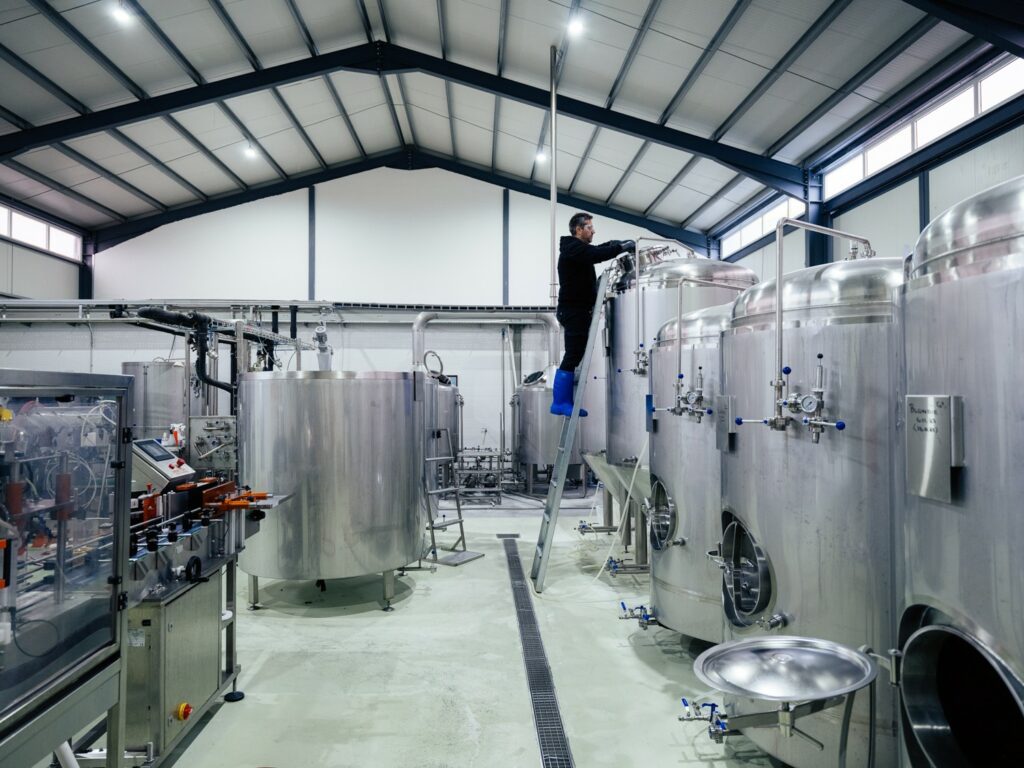
Pivo Microbrewery illustrates how targeted investment can accelerate growth. Before receiving funding, co-owner Thanasis Poluneikis identified limited production capacity as a major obstacle to meeting rising demand. The introduction of modern machinery and updated technology has significantly improved production processes. According to Poluneikis, the new equipment has increased precision and consistency in quality control, helping maintain product freshness and standards throughout distribution. The upgrades also allowed the company to expand production and develop new partnerships, supporting broader market reach.
Enhancing Product Offerings: The Vanilla Aroma Bakery Experience
Vanilla Aroma Bakery represents another example of modernization through investment support. Owner Giannis Toumpas used the funding framework to upgrade both the facility layout and production equipment. The improvements have accelerated operations and increased efficiency, enabling the bakery to refine existing products while introducing new offerings. These changes have strengthened customer experience and reinforced the brand’s position in a competitive market where quality and presentation remain key differentiators.
Financial Support As A Catalyst For Growth
These examples highlight the role of the Thalia Initiative as a financing tool that translates investment into measurable business development. By supporting equipment upgrades, technology adoption and infrastructure improvements, the program contributes to the long-term sustainability of SMEs, encourages innovation and supports job creation. The continued modernization of small and medium-sized enterprises is helping build a more resilient and competitive business environment that supports broader economic growth in Cyprus.