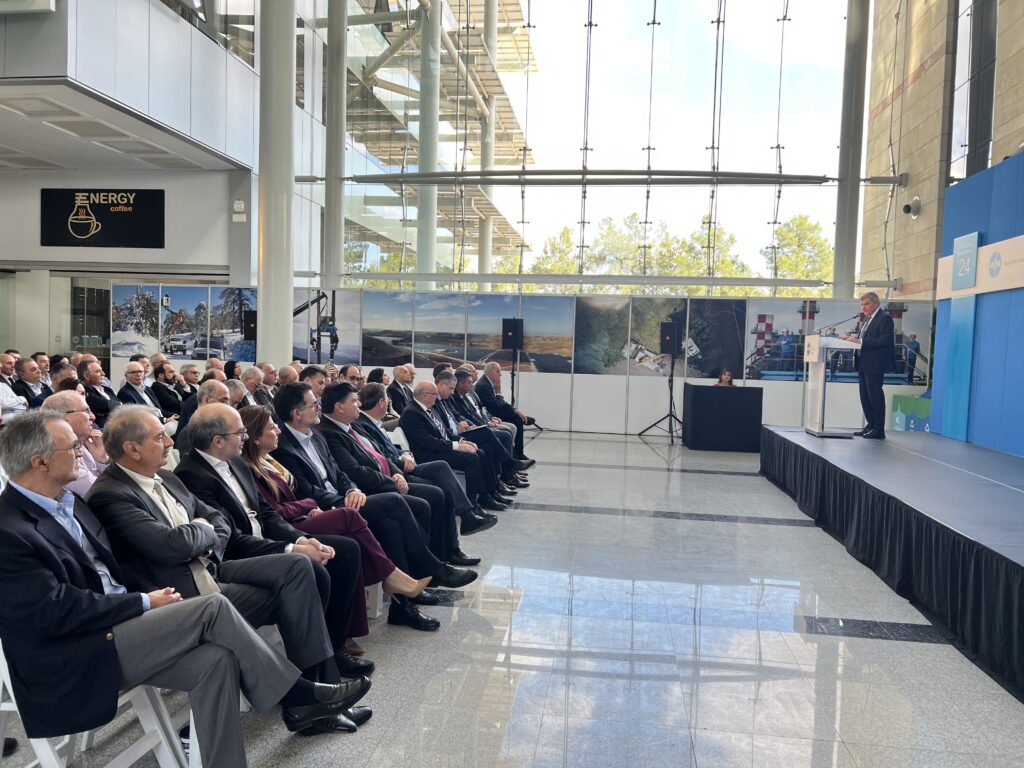
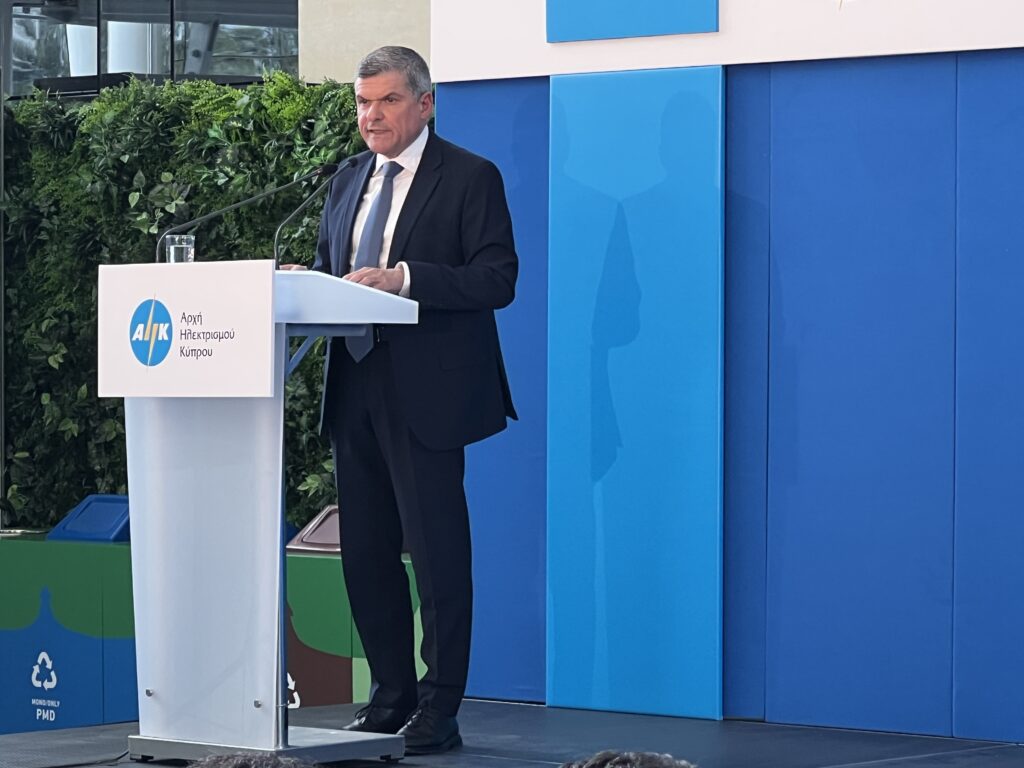
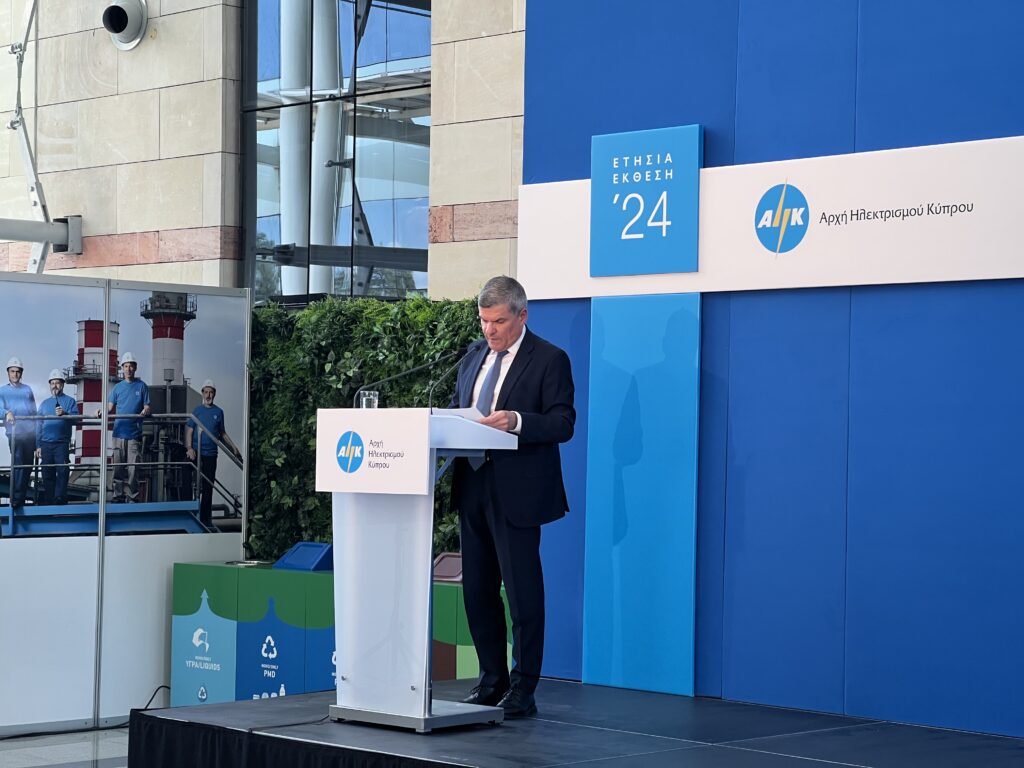
Energy, Commerce And Industry Minister George Papanastasiou recently expressed his satisfaction with the progress and accomplishments of the Hellenic Electric Authority (often referred to as ΑΗΚ) for 2024 during a visit to its headquarters on November 17, 2025. In a commendatory address, the Minister thanked management and staff for their cooperative efforts and underscored the Authority’s essential role in maintaining a secure energy system, ensuring reliable power supply, and working to lower electricity costs.
Key Infrastructure Upgrades And Market Innovations
The Minister highlighted several critical priorities that lie ahead. Notable among these are the comprehensive upgrading of transmission networks, the installation of advanced storage systems, and the execution of a development program focused on energy production. He also stressed the importance of fostering a competitive electricity market through measures such as the recent introduction of a new Technical Guide for zero-injection photovoltaic systems and the launch of pilot projects aimed at optimizing smart meter utilization to reduce costs.
Follow THE FUTURE on LinkedIn, Facebook, Instagram, X and Telegram
Leveraging European Investment For A Modernized Grid
A fundamental element of this strategic roadmap involves the deployment of 120 million euros in European funds dedicated to the digitization and modernization of the transmission and distribution networks. This initiative is expected to mitigate renewable energy curtailments while ensuring more efficient system operations. In tandem, progress on smart meter installations continues apace, with full implementation scheduled by January 2027.
Enhancing Flexibility And Resilience In A Competitive Environment
The Minister further emphasized that by 2027, the Authority is tasked with implementing new tariff structures designed to more accurately reflect production profiles and varying demand peaks. Flexible interconnections and seamless integration of demand response mechanisms are set to become cornerstones of this evolving strategy. The launch of a competitive electricity market on September 15, 2025, marked a significant step forward following years of delays, with substantial support from the Distribution System Operator and other stakeholders.
Advancements In Production And Storage Capacity
On the production front, ongoing projects include the upgrade of the Dekeleia Power Station with new generators and an 80 MW storage system slated for operation by 2026. Looking further ahead, plans envisage a comprehensive 600 MW storage capability by 2030, complemented by a distributed 120 MW system with transparent participation rules by 2026. In parallel, the modernization of the Vasiliko power plant is underway, featuring a new natural gas unit and upgrades to existing infrastructure.
Commitment To Operational Excellence And Resilience
As the Authority adapts to a competitive market landscape, Minister Papanastasiou reiterated the need to enhance operational flexibility, improve efficiency, and better serve the public. He concluded his address by expressing gratitude to the Authority’s personnel for their swift and effective response in restoring the electrical system following the severe fire incident in the mountainous region of Limassol in July 2025, a testament to the team’s professionalism and dedication.




