


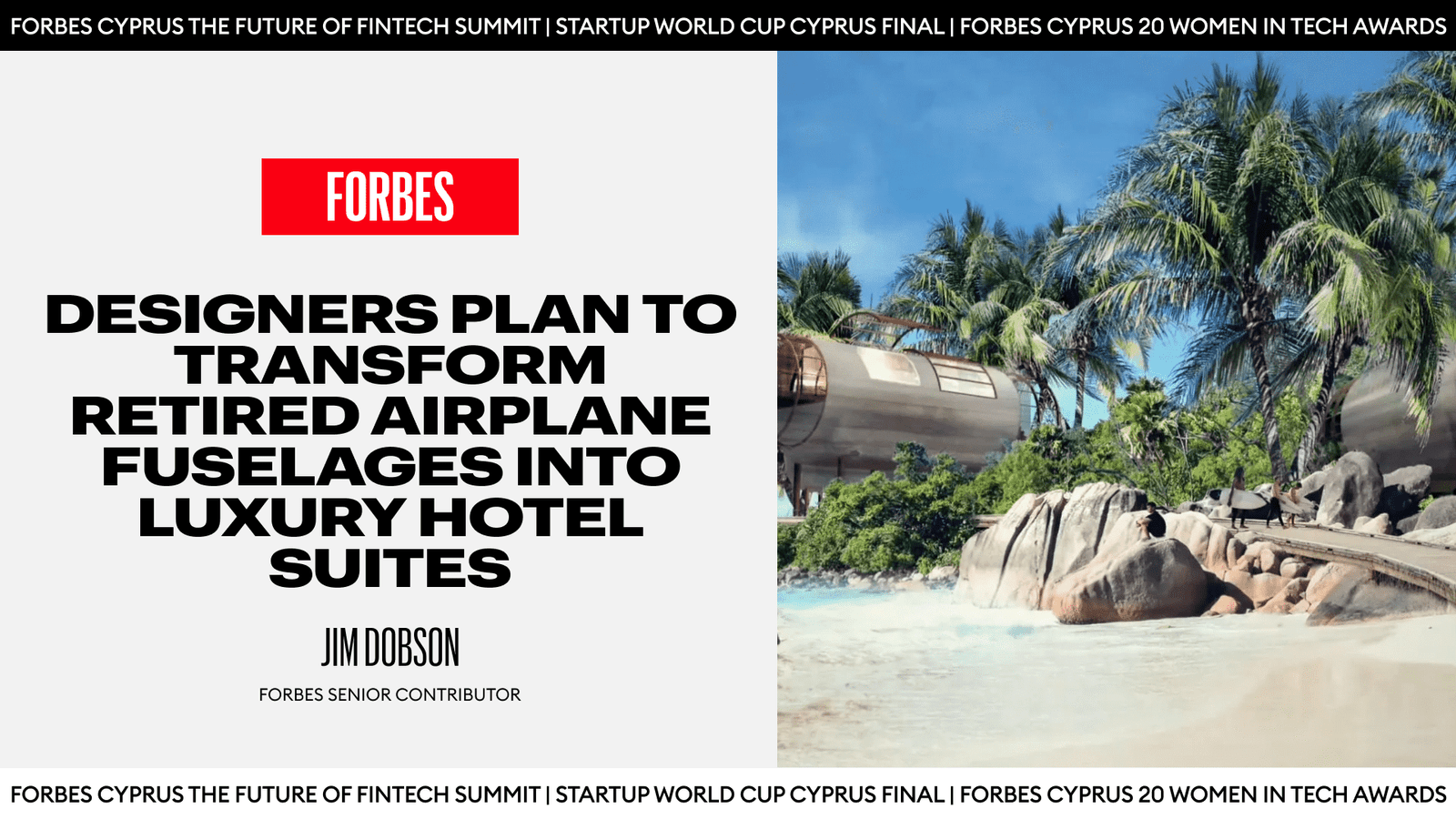
At airports around the world, hundreds of aircraft are retired to desert graveyards every year. Many are dismantled for parts; others are left to rust. What if these could get a second chance on the ground, reimagined as luxurious sanctuaries for travelers?
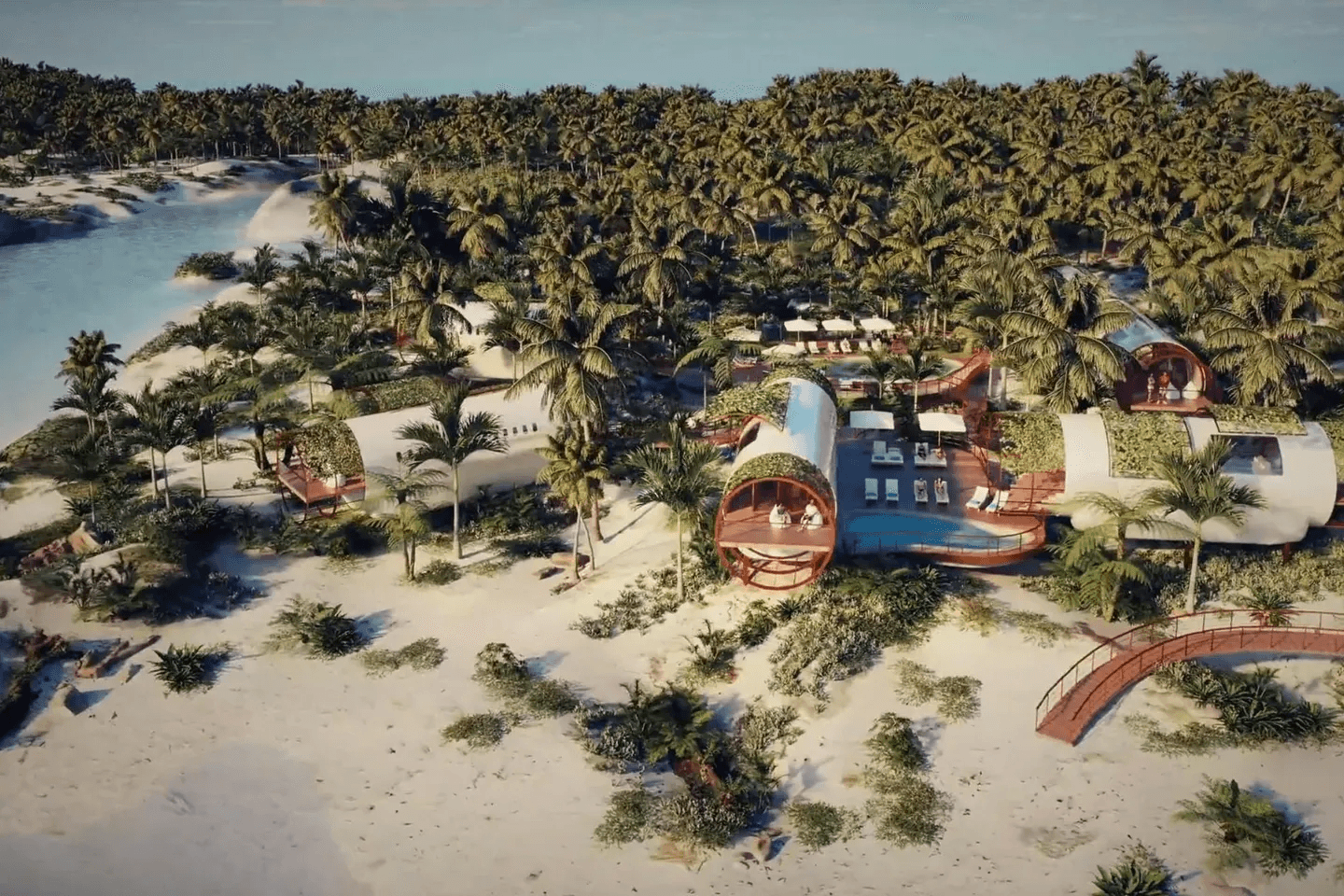
That’s the vision behind “Taking Flight,” an innovative design project by global architecture and design firm Leo A Daly. The concept is to transform decommissioned aircraft into mobile hospitality suites that can be placed in remote locations.
Follow THE FUTURE on LinkedIn, Facebook, Instagram, X and Telegram
Leo A Daly
“Taking Flight is about creating journeys that are both sustainable and deeply personal,” says Enrique Greenwell, Dallas Design Director at Leo A Daly. “Repurposing these aircraft creates a sustainable strategy for the future of hospitality.”
“The flexible nature of these pods means that they can accommodate many situations,” adds Greenwall. “For example, if a family of 10 wants to host a reunion, you could link several pods together. If the next visitor is a solo traveler, you simply unlink them. The two groups of guests have an entirely different experience with the same pod or pods.”
Leo A Daly
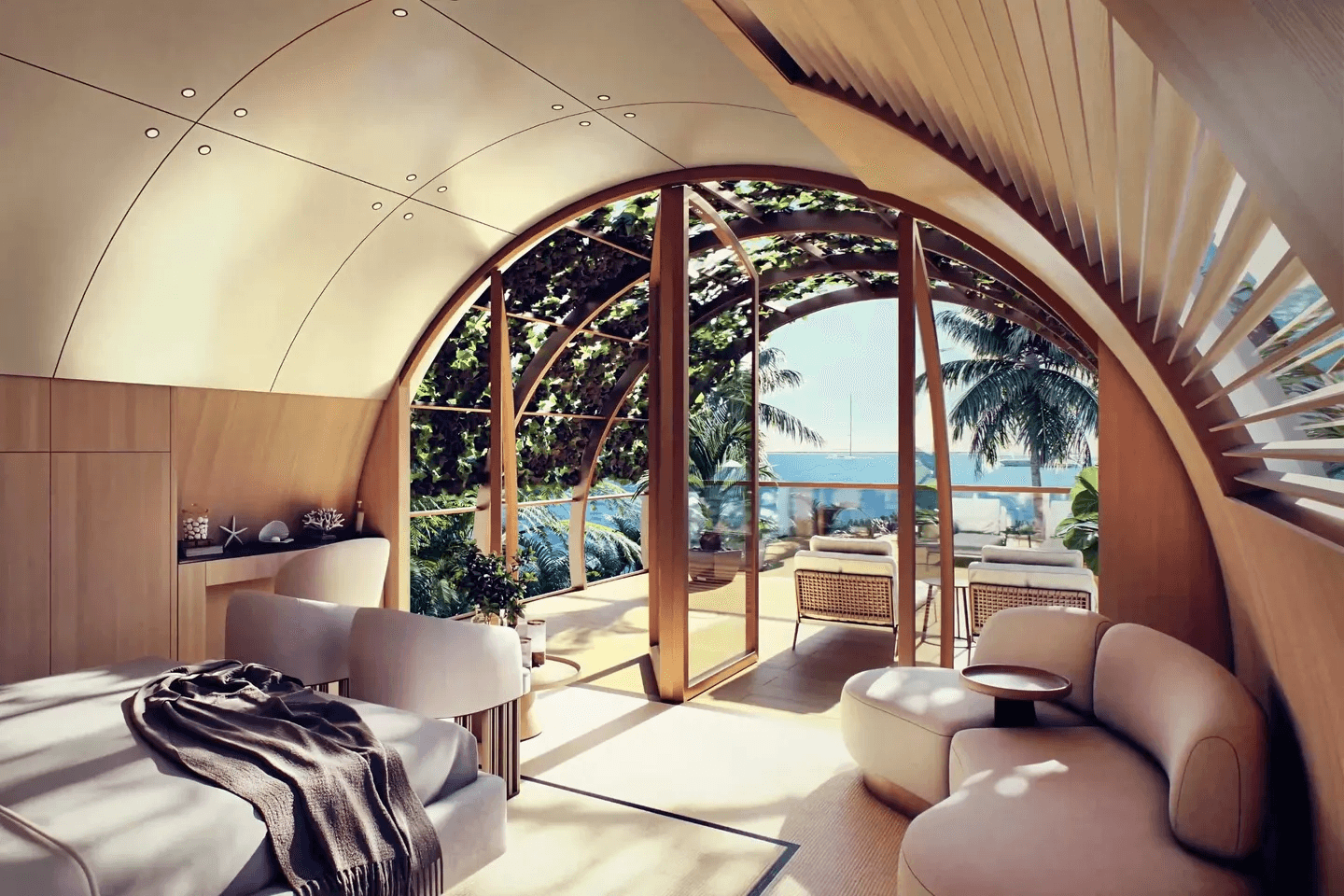
Unlike shipping containers or other recycled projects repurposed for sustainability, airplanes were designed for human comfort from the very beginning. Their fuselages are pre-engineered with insulation, lightweight aluminum structures, and built-in storage. With a bit of creative design, they can easily be adapted into spacious, eco-friendly retreats that are both luxurious and practical.
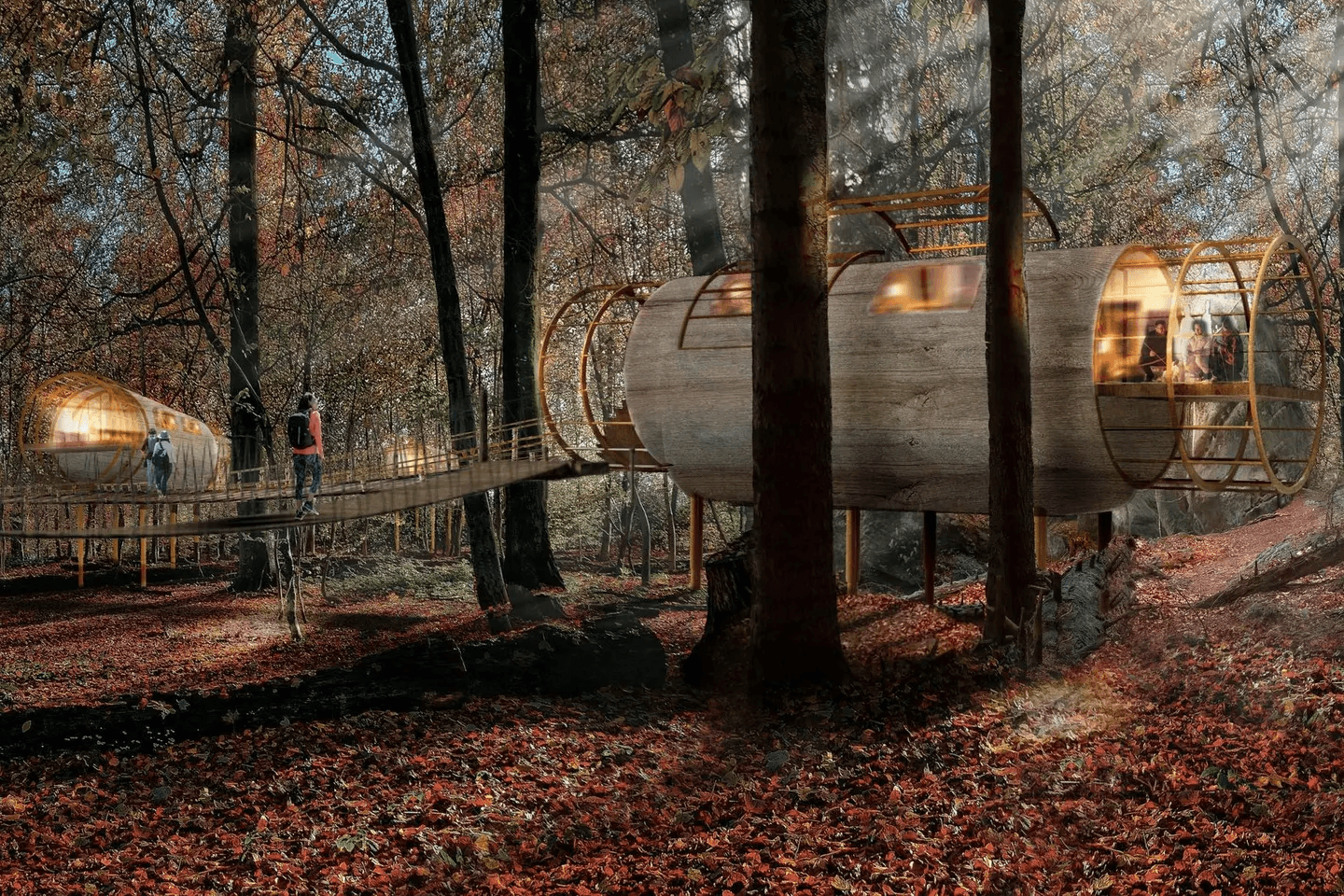
The inspiration for the project struck Mark Pratt, Vice President and Global Hospitality Practice Leader at Leo A Daly, during a cross-country flight when he spotted an aircraft graveyard in California. “These incredible aircraft and engineering marvels shouldn’t end up in a scrapyard,” he recalls. “They had all the necessary components to be transformed into room modules. Their lightweight design allowed for mobility, while their raceways provided insulation and the ability to install mechanical systems.”
Leo A Daly
Senior Architect Ryan Christensen, who co-led the project with Greenwell, adds, “The more we explored the concept further and further, we were able to continually build upon the practicality of this becoming a reality.”
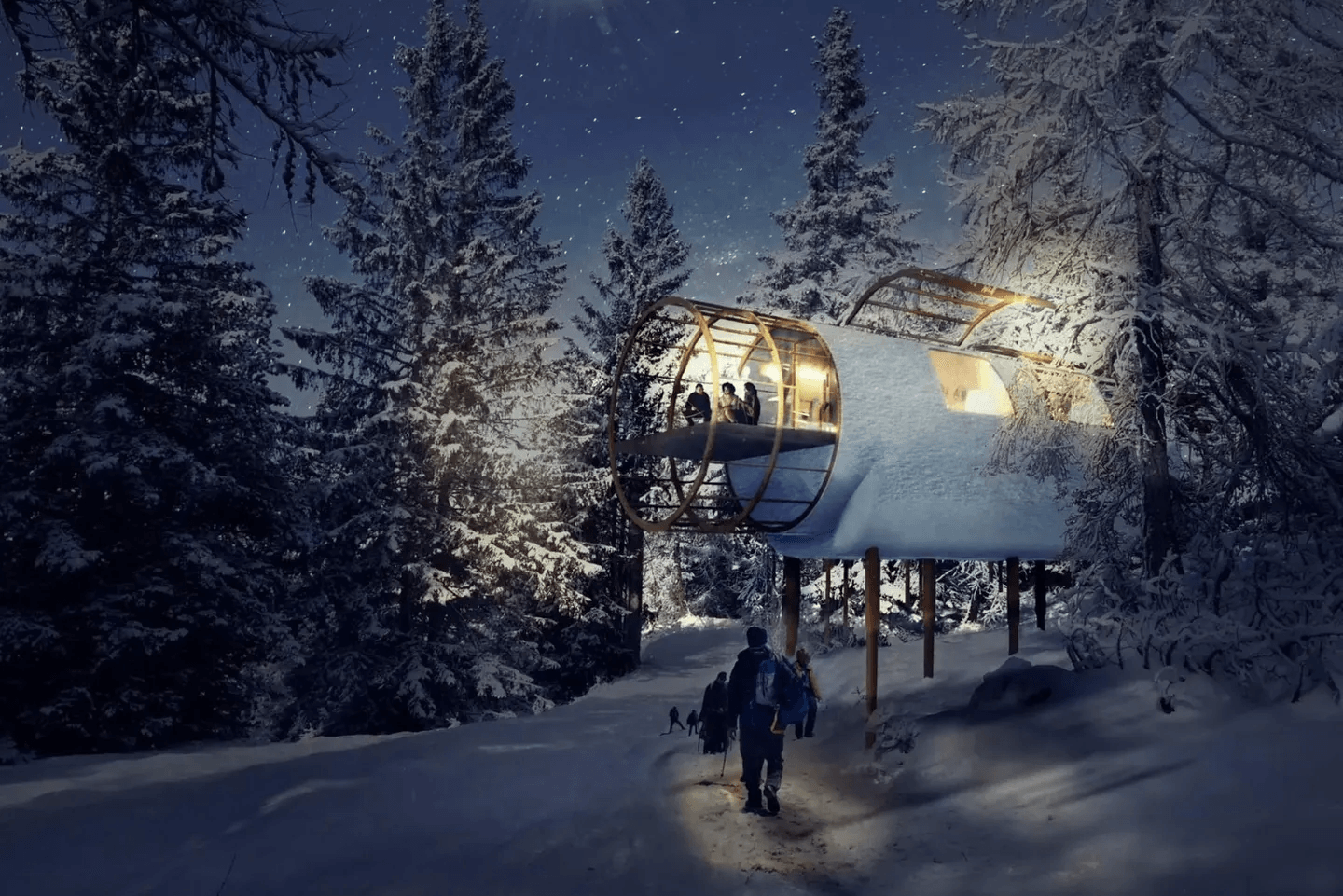
What sets Taking Flight apart is mobility. The modular units can be transported anywhere – perched on a mountain ridge, hidden in a desert canyon, or overlooking a remote tropical lagoon. Unlike permanent hotels that require heavy construction, these units barely touch the ground, minimizing the impact on the environment. And when seasons or weather change, the units can easily be relocated.
Leo A Daly
This flexibility benefits resorts, which can expand during high seasons and special events, and then scale back during the slow season. The units can also be used outside of hospitality and serve as disaster relief housing or be utilized as research stations.
Modern travelers seek experiences that are both unique and highly personalized. In the social media era, these aircraft suites are the perfect mix of a photogenic stay in a former airplane reimagined as a luxury retreat.

Leo A Daly
Sustainability is key to the development of this project. Each suite utilizes off-grid systems, including rainwater harvesting, solar panels, water storage, and bioscreens for filtration. By reducing the use of concrete, Taking Flight redefines what responsible luxury means.
“Repurposing and reinvigorating existing end-of-life products such as the aircraft themselves is a sustainable move,” adds Greenwall. “This idea would also support bio-symbiosis and enable the traveler to participate in regenerating the local communities and environmental context through non-invasive installation methods, reducing or eliminating the impact on existing landscapes.”

Leo A Daly
Taking Flight isn’t the first to reimagine aircraft as accommodations. Travelers can already sleep inside decommissioned aircraft, including a 727 Fuselage Home in Costa Rica, a 1968 Fokker 27 glamping hotel in Italy, a private jet villa in Bali, and an Airplane Suite Hotel in the Netherlands.
However, this new fuselage concept takes it a step further, catering to the growing trend of travelers who are more adventurous and eco-conscious. For those wanting to experience something entirely new, the future of hospitality might just be on the wings of yesterday’s aircraft.