Breaking news

Cypriot Silk Stories: A Fashion Presentation By Michalis Pantelidis

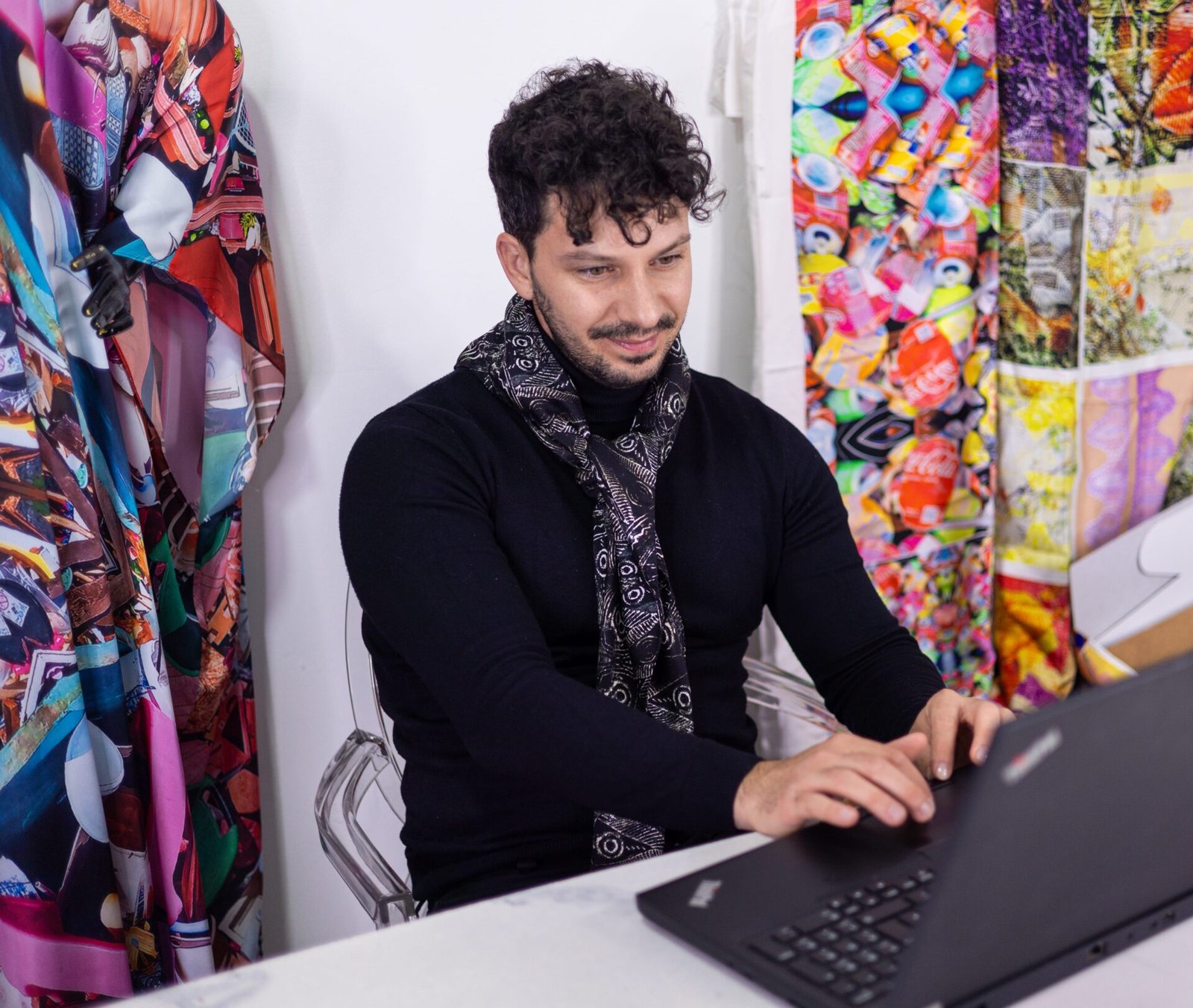
On 6 May 2026, during the exclusive VIP Cocktail Event and Opening Ceremony of the Cyprus Diaspora Forum 2026, held at the elegant Amara Hotel, Cypriot designer Michalis Pantelidis will present his fashion showcase, Cypriot Silk Stories.
MP 23

This evocative collection unfolds as a poetic tribute to Cyprus, expressed through silk. The presentation brings together key thematic explorations from his work—from the wastelands of Cyprus, where notions of value and beauty are redefined, to the underwater world of Larnaka, the Pierides Museum archives, collaborations with Nespresso Cyprus, and Tourkomahalas, a community-driven project developed with Larnaka 2030—forming a contemporary narrative of place. Each design captures a distinct fragment of Cyprus, reimagined through a modern lens.

The collection is presented through fluid silk scarves of varying dimensions alongside elegantly draped caftans, styled with understated Mediterranean sophistication. Designed to transition effortlessly—from business mornings to seaside afternoons, and from refined daytime gatherings to intimate evening occasions—the pieces embody versatility while maintaining a sense of quiet luxury.

Rooted in craftsmanship and emotion, Cypriot Silk Stories expresses a modern vision of timeless elegance—intentional, refined, and deeply connected to place. The presentation promises to be a defining moment of the evening, where heritage, artistry, and contemporary design come together in celebration of Cyprus and its global diaspora.

The show is realised with the valued support of Tsiakiris Silk House—where Pantelidis’ silk scarves are produced—alongside Larnaka Tourism Board, Larnaka 2030, Nespresso Cyprus, and Print Guru LTD, supporting the print installation of the presentation.

Creative direction is supported by leading industry collaborators: makeup by Valentino Nicolaou and his team at The Makeup Project by Valentino Nicolaou, hair by Christos Artemiou of Artemiou Hair Designs, and styling by Andronikos Orfanou. All garments are courtesy of ERA Department Store.

About Michalis Pantelidis

Michalis Pantelidis is a Cypriot textile designer working at the intersection of fashion, art, and cultural storytelling. His practice focuses on silk accessories that translate heritage, memory, and everyday observations into wearable pieces with emotional depth.

Founded in 2021, his studio began as a personal exploration of photography and textiles and has since evolved into a distinctive body of work rooted in craftsmanship, materiality, and narrative. Each creation is conceived as an object to be worn, cherished, and lived with.

Alongside his studio practice, he is a Fashion Design Lecturer at Alexander College, where he encourages students to explore identity, heritage, and contemporary making through design. In October 2025, he represented Cyprus at the European Parliament Sustainable Fashion Exhibition, showcasing Cypriot cultural narratives through contemporary textile design. His work has been presented through exhibitions and collaborations both in Cyprus and internationally.

What Cyprus Can Learn From Greece And Malta’s Growth Strategies

Across the Mediterranean, countries are increasingly competing not only for tourists but also for long-term residents, investment and skilled professionals. Greece and Malta have adopted different strategies to achieve that goal, offering two models that may hold lessons for Cyprus.

The shift comes as the traditional tourism model faces growing pressure. Climate change, overtourism and the rise of remote work have exposed the limitations of economies that depend heavily on peak summer demand. Increasingly, Mediterranean countries are looking for ways to extend tourism activity into year-round economic growth.

Greece Stopped Selling Only The Summer

Greece offers one of the clearest examples of that transition. While its islands have long depended on July and August tourism, many have spent the past decade extending the season through infrastructure investment. Fibre connectivity has expanded to islands that once struggled with unreliable service, while ports have been upgraded with European recovery funding. On islands such as Naxos and Paros, the tourism season now stretches from Easter through November.

A longer season is also attracting more long-term visitors considering relocation rather than short holidays. Unlike tourists who leave after a week, residents contribute to the local economy throughout the year through housing, banking, education and everyday spending.

Athens has adjusted its policy framework accordingly. In 2024, it revised its residency-linked property investment rules, raising the investment threshold to €800,000 in high-demand areas including central Athens, Mykonos and Santorini, while maintaining a €400,000 threshold elsewhere. The objective was to redirect foreign investment toward regions with greater capacity while easing pressure on the country’s hottest property markets.

The policy has attracted attention for attempting to balance investment with concerns over housing affordability and the long-term sustainability of local communities.

Malta Turned Staying Into A Product

Malta has pursued a different strategy. Without Greece’s size or tourism volumes, it focused on attracting internationally mobile industries including financial services, iGaming and maritime registration. Competitive regulation and targeted policies helped establish the country as a base for those sectors.

The result has been a service-driven economy and one of the fastest-growing populations in the European Union, supported largely by international workers.

Alongside employment-based pathways, Malta also offers a residence programme for non-EU nationals combining a government contribution, a property purchase or long-term lease, and a philanthropic donation. Lower property thresholds in southern Malta and Gozo are intended to steer investment towards less-developed areas.

Whatever the broader debate surrounding such schemes, the policy reflects a consistent objective: converting foreign interest into long-term economic participation.

The Risks Of Success

Neither approach is without trade-offs. In Greece, Santorini has become a symbol of overtourism, with cruise arrivals placing increasing pressure on local infrastructure and prompting discussions over visitor limits. Rising demand for short-term rentals has also reduced housing availability for local residents in several destinations.

Malta faces different challenges. Rapid population growth has added pressure to infrastructure and housing, while the country has spent years rebuilding the reputation of its financial services sector following international scrutiny.

Both cases illustrate that attracting investment is only part of the equation. Managing its impact on housing, infrastructure and local communities is equally important.

What Cyprus Can Learn

Taken together, Greece and Malta demonstrate two distinct approaches to long-term economic development.

Greece is seeking to channel investment towards regions that can accommodate growth while reducing pressure on its busiest destinations. Malta has built its strategy around specialised industries, regulatory certainty and structured pathways for long-term residence.

For Cyprus, the lesson is not to replicate either model. Rather, it is to understand the trade-offs behind each approach. As competition for investment and internationally mobile residents intensifies across the Mediterranean, long-term success will depend not only on attracting people and capital, but also on ensuring growth remains sustainable for local communities.

eCredo
Uol
Aretilaw firm
The Future Forbes Realty Global Properties

Become a Speaker

Become a Speaker

Become a Partner

Subscribe for our weekly newsletter
