

When Russia launched its full-scale invasion of Ukraine in February 2022, thousands of Ukrainian families sought refuge abroad. For those who arrived in Cyprus, finding housing and employment was only part of the challenge. Many also needed a community, support networks, and ways to preserve their cultural identity.
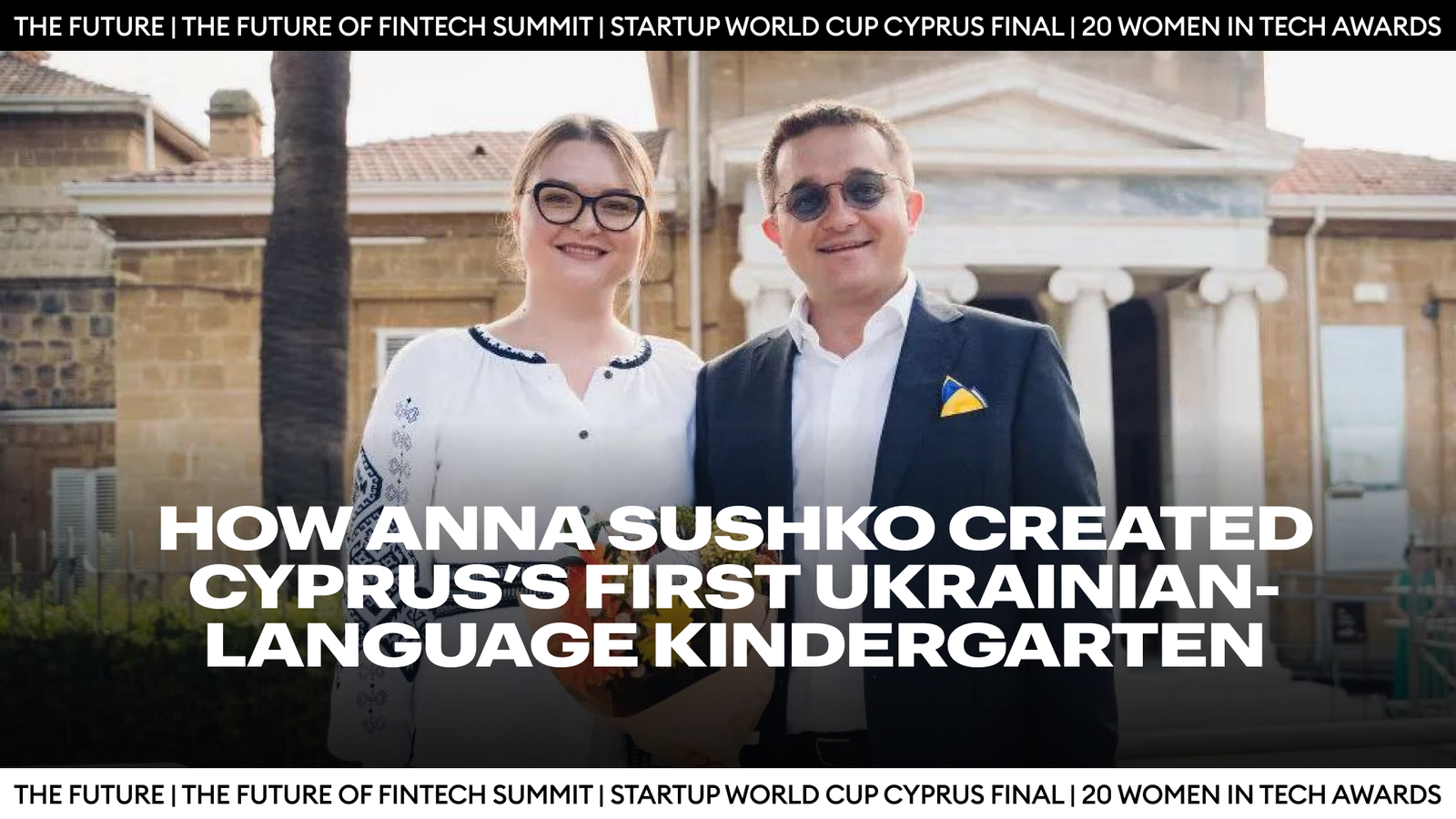
In Larnaca, Ukrainian philanthropist Anna Sushko, originally from Kherson, helped address those needs through Obiimy Cyprus, an educational and cultural initiative that grew from volunteer assistance into a community center and, eventually, a Ukrainian-language kindergarten.
Follow THE FUTURE on LinkedIn, Facebook, Instagram, X and Telegram
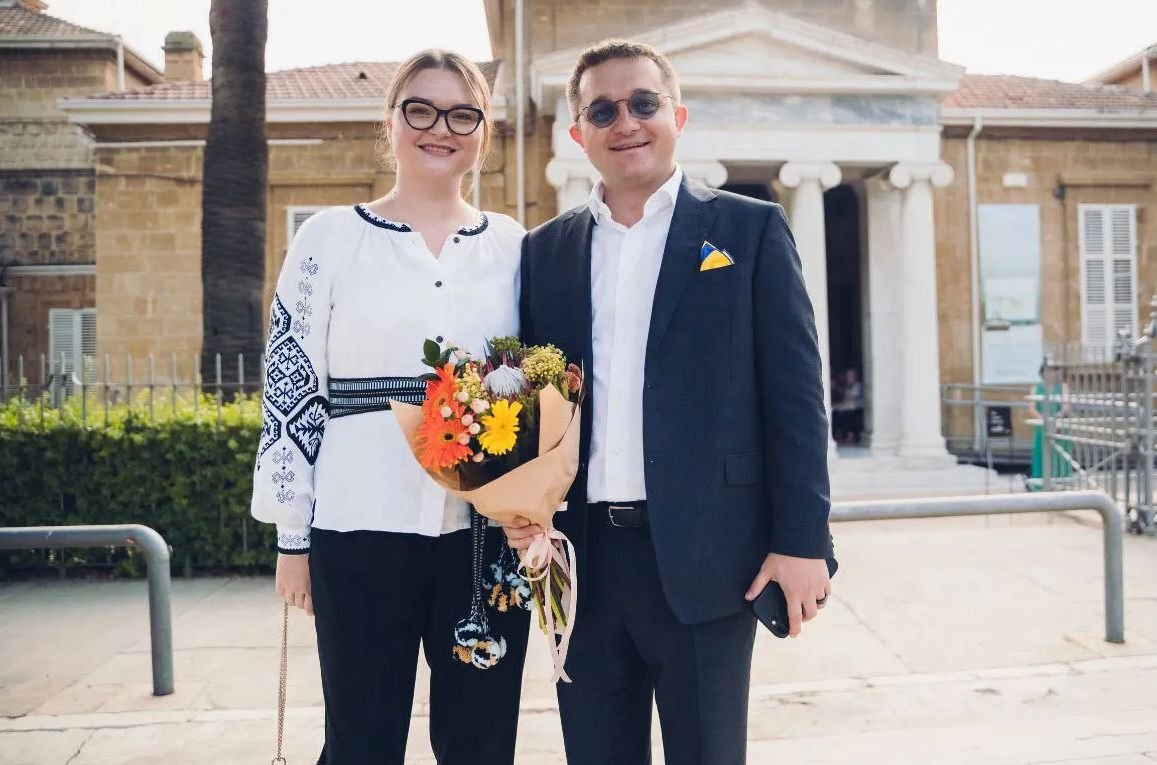
Sushko had been involved in philanthropy before the war. In 2020, she and her husband, Ukrainian entrepreneur and investor Mykola Sushko, established the Nadiietvortsi charitable foundation to support public healthcare institutions and medical science in Ukraine.
Following the invasion, her efforts shifted toward Ukrainian families displaced by the war. What began as volunteer support for newly arrived refugees gradually developed into Obiimy Cyprus, a space for educational activities, cultural events, and community gatherings.
Children became a particular focus. Many were adapting to an unfamiliar country and language while coping with separation from their homes and established routines.
From Children’s Activities To A Kindergarten
One of Obiimy’s earliest projects was Kruhom Bihom, a children’s activity space at Papadopoulos Stadium. It offered developmental classes, sports activities, and movement therapy. Mothers often joined the sessions, turning the initiative into a meeting place for Ukrainian families.
The project received support from Cypriot entrepreneur Christodoulas Ellinas and his Ukrainian-born wife Natalia, as well as Simos Mitides, mayor of Pyla.
As demand for children’s activities grew, the team decided to establish a kindergarten that would provide a more structured educational environment while allowing parents time to work and manage everyday responsibilities.
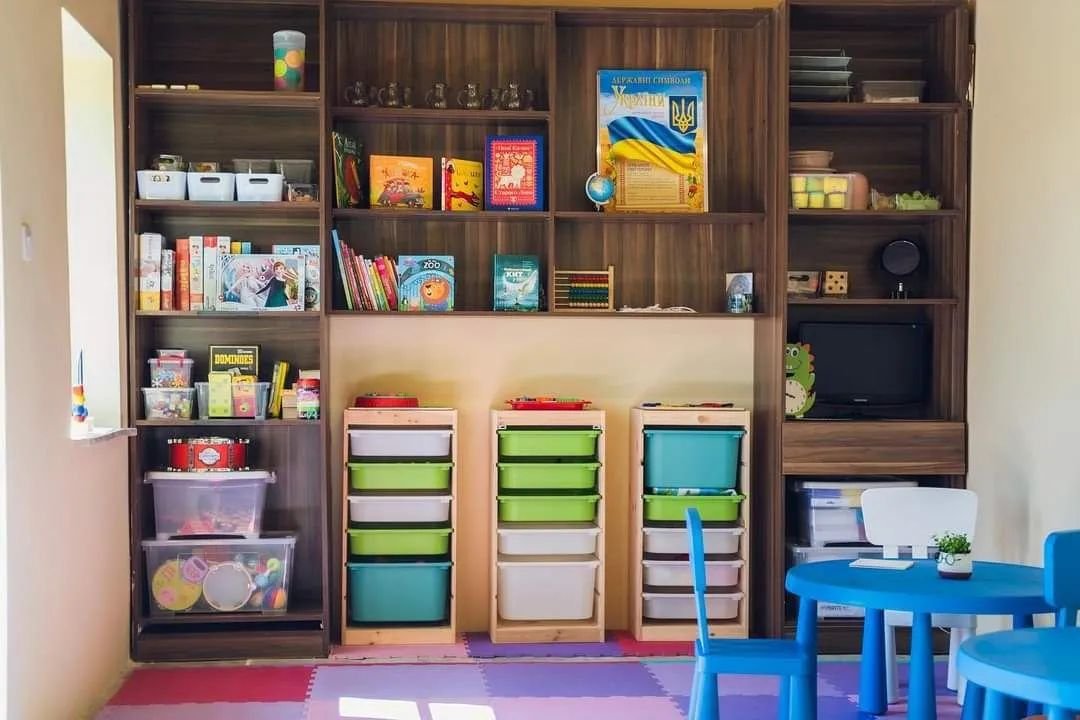
During the summer of 2022, Ukrainian and Cypriot supporters renovated a two-story building, equipped classrooms, purchased furniture and educational materials, and created an outdoor playground.
Ukrainian teachers and music instructors joined the staff. The kindergarten also introduced a menu featuring Ukrainian dishes, reflecting the organizers’ efforts to recreate familiar elements of home.
The facility opened in September 2022, becoming what its organizers described as the first Ukrainian-language kindergarten of its kind in Cyprus.
Preserving Language And A Sense Of Home
Ukrainian was central to the kindergarten’s approach. Children attended classes, celebrated holidays, sang songs, and learned poems in their native language.
For families displaced by war, the initiative offered more than childcare. It provided an environment where children could maintain a connection to Ukrainian culture while adapting to life abroad.
“We wanted everything to feel just like home, back in Ukraine,” Anna Sushko said.
The kindergarten also gave parents an opportunity to build relationships with other Ukrainian families facing similar challenges.
A Joint Ukrainian-Cypriot Initiative
The project developed through cooperation between Ukrainian volunteers and members of the local Cypriot community.
Christodoulas Ellinas, who helped establish the kindergarten, described his involvement as an effort to support Ukrainian mothers and provide their children with a safe environment.
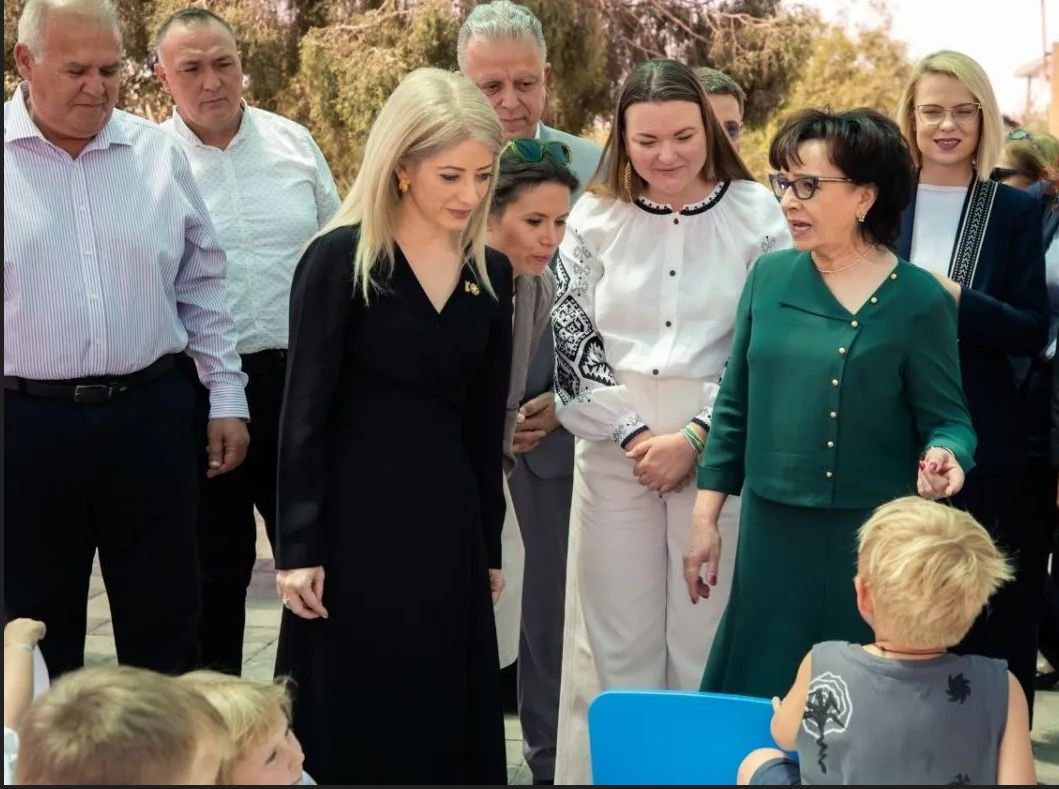
The initiative also attracted official attention. In May 2023, Annita Demetriou, President of the House of Representatives of Cyprus, and Elżbieta Witek, then Marshal of the Polish Sejm, visited the kindergarten.
Sushko guided the delegation through the facility and introduced its educational activities. Ruslan Nimchynskyi, Ukraine’s ambassador to Cyprus at the time, accompanied the visitors and presented children with books, toys, and learning materials.
Beyond Emergency Assistance
The kindergarten became one of Obiimy Cyprus’s first major projects, marking its transition from emergency volunteer assistance to longer-term community support.
For Anna Sushko, whose philanthropic work began in Ukraine, the initiative represented a new focus: helping displaced families rebuild elements of everyday life abroad.
What started as a response to the immediate needs of Ukrainian refugees developed into a community space offering education, social connections, and opportunities to maintain cultural traditions.
The kindergarten illustrates how grassroots initiatives established during the first months of displacement can evolve into lasting institutions, helping families navigate life in a new country without losing their connection to home.