Breaking news

Greek Energy Minister Praises Authority’s Achievements And Charts A Strategic Path Forward

Energy, Commerce And Industry Minister George Papanastasiou recently expressed his satisfaction with the progress and accomplishments of the Hellenic Electric Authority (often referred to as ΑΗΚ) for 2024 during a visit to its headquarters on November 17, 2025. In a commendatory address, the Minister thanked management and staff for their cooperative efforts and underscored the Authority’s essential role in maintaining a secure energy system, ensuring reliable power supply, and working to lower electricity costs.

Key Infrastructure Upgrades And Market Innovations

The Minister highlighted several critical priorities that lie ahead. Notable among these are the comprehensive upgrading of transmission networks, the installation of advanced storage systems, and the execution of a development program focused on energy production. He also stressed the importance of fostering a competitive electricity market through measures such as the recent introduction of a new Technical Guide for zero-injection photovoltaic systems and the launch of pilot projects aimed at optimizing smart meter utilization to reduce costs.

Energy Authority Headquarters

Leveraging European Investment For A Modernized Grid

A fundamental element of this strategic roadmap involves the deployment of 120 million euros in European funds dedicated to the digitization and modernization of the transmission and distribution networks. This initiative is expected to mitigate renewable energy curtailments while ensuring more efficient system operations. In tandem, progress on smart meter installations continues apace, with full implementation scheduled by January 2027.

Enhancing Flexibility And Resilience In A Competitive Environment

The Minister further emphasized that by 2027, the Authority is tasked with implementing new tariff structures designed to more accurately reflect production profiles and varying demand peaks. Flexible interconnections and seamless integration of demand response mechanisms are set to become cornerstones of this evolving strategy. The launch of a competitive electricity market on September 15, 2025, marked a significant step forward following years of delays, with substantial support from the Distribution System Operator and other stakeholders.
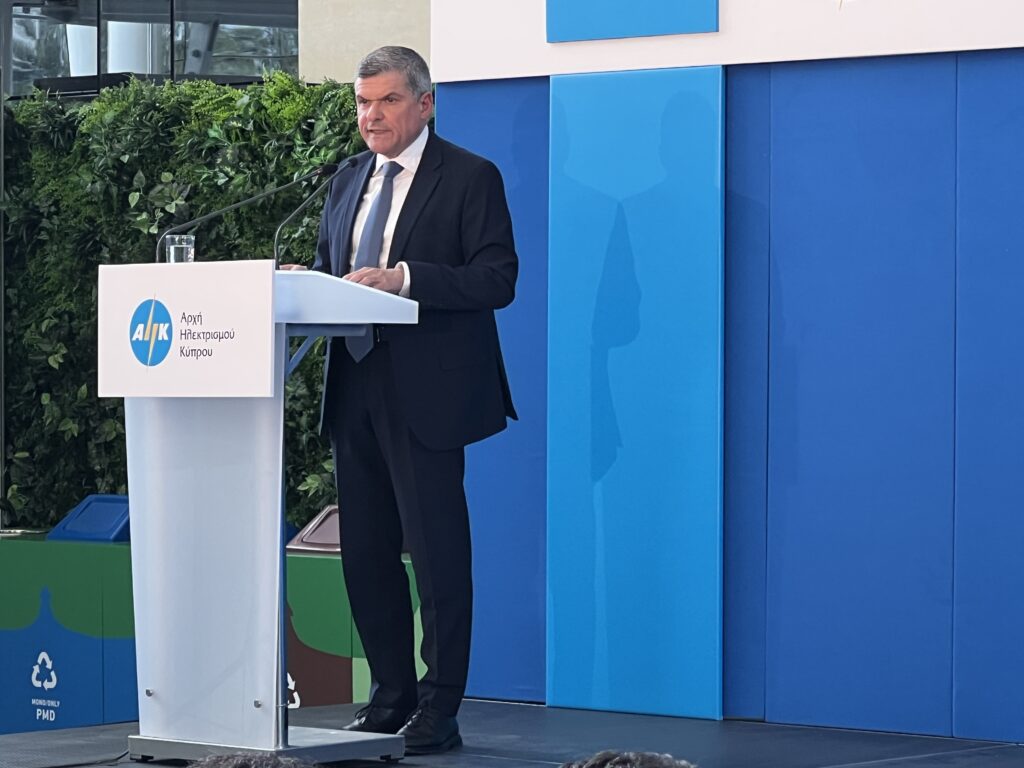
Modernized Energy Infrastructure

Advancements In Production And Storage Capacity

On the production front, ongoing projects include the upgrade of the Dekeleia Power Station with new generators and an 80 MW storage system slated for operation by 2026. Looking further ahead, plans envisage a comprehensive 600 MW storage capability by 2030, complemented by a distributed 120 MW system with transparent participation rules by 2026. In parallel, the modernization of the Vasiliko power plant is underway, featuring a new natural gas unit and upgrades to existing infrastructure.
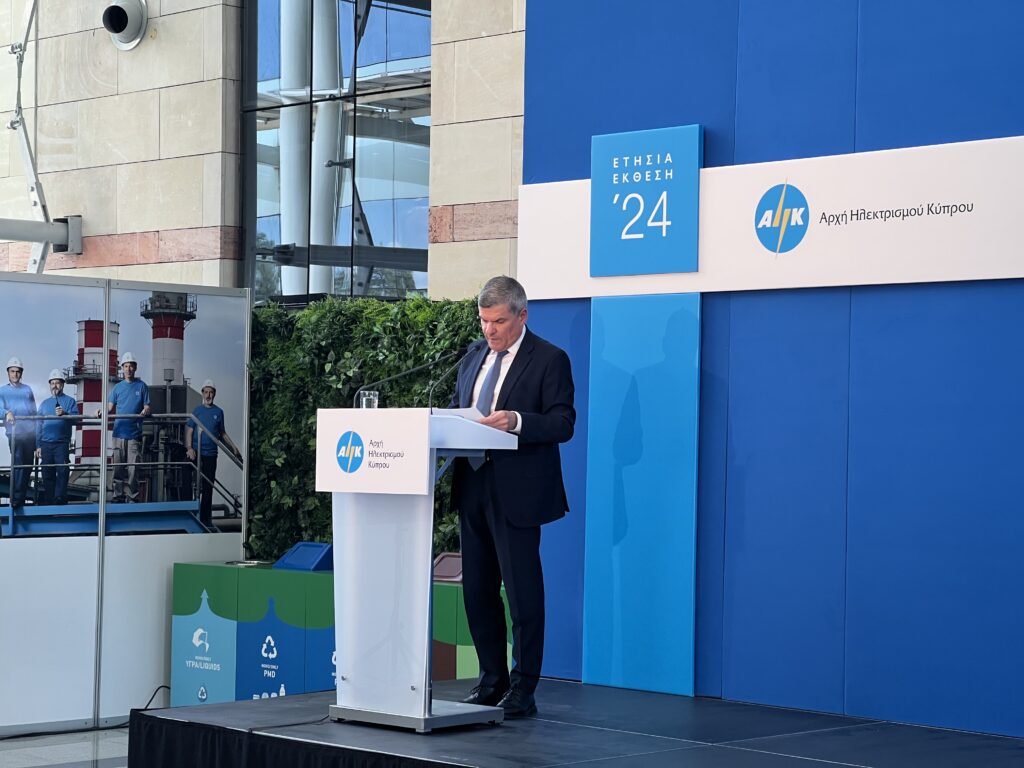
Energy Production Facility

Commitment To Operational Excellence And Resilience

As the Authority adapts to a competitive market landscape, Minister Papanastasiou reiterated the need to enhance operational flexibility, improve efficiency, and better serve the public. He concluded his address by expressing gratitude to the Authority’s personnel for their swift and effective response in restoring the electrical system following the severe fire incident in the mountainous region of Limassol in July 2025, a testament to the team’s professionalism and dedication.

Cyprus Income Distribution 2024: An In-Depth Breakdown of Economic Classes

New findings from the Cyprus Statistical Service offer a comprehensive analysis of the nation’s income stratification in 2024. The report, titled Population By Income Class, provides critical insights into the proportions of the population that fall within the middle, upper, and lower income brackets, as well as those at risk of poverty.

Income Distribution Overview

The data for 2024 show that 64.6% of the population falls within the middle income class – a modest increase from 63% in 2011. However, it is noteworthy that the range for this class begins at a comparatively low threshold of €15,501. Meanwhile, 27.8% of the population continues to reside in the lower income bracket (a figure largely unchanged from 27.7% in 2011), with nearly 14.6% of these individuals identified as at risk of poverty. The upper income class accounted for 7.6% of the population, a slight decline from 9.1% in 2011.

Income Brackets And Their Thresholds

According to the report, the median equivalent disposable national income reached €20,666 in 2024. The upper limit of the lower income class was established at €15,500, and the threshold for poverty risk was set at €12,400. The middle income category spans from €15,501 to €41,332, while any household earning over €41,333 is classified in the upper income class. The median equivalents for each group were reported at €12,271 for the lower, €23,517 for the middle, and €51,316 for the upper income classes.

Methodological Insights And Comparative Findings

Employing the methodology recommended by the Organisation for Economic Co-operation and Development (OECD), the report defines the middle income class as households earning between 75% and 200% of the national median income. In contrast, incomes exceeding 200% of the median classify households as upper income, while those earning below 75% fall into the lower income category.

Detailed Findings Across Income Segments

  • Upper Income Class: Comprising 73,055 individuals (7.6% of the population), this group had a median equivalent disposable income of €51,136. Notably, the share of individuals in this category has contracted since 2011.
  • Upper Middle Income Segment: This subgroup includes 112,694 people (11.7% of the population) with a median income of €34,961. Combined with the upper income class, they represent 185,749 individuals.
  • Middle Income Group: Encompassing 30.3% of the population (approximately 294,624 individuals), this segment reports a median disposable income of €24,975.
  • Lower Middle And Lower Income Classes: The lower middle income category includes 22.2% of the population (211,768 individuals) with a median income of €17,800, while the lower income class accounts for 27.8% (267,557 individuals) with a median income of €12,271.

Payment Behaviors And Economic Implications

The report also examines how income levels influence repayment behavior for primary residence loans or rental payments. Historically, households in the lower income class have experienced the greatest delays. In 2024, 27.0% of those in the lower income bracket were late on payments—a significant improvement from 34.6% in 2011. For the middle income class, late payments were observed in 9.9% of cases, down from 21.4% in 2011. Among the upper income class, only 3% experienced delays, compared to 9.9% previously.

This detailed analysis underscores shifts in income distribution and repayment behavior across Cyprus, reflecting broader economic trends that are critical for policymakers and investors to consider as they navigate the evolving financial landscape.

eCredo
The Future Forbes Realty Global Properties
Uol
Aretilaw firm

Become a Speaker

Become a Speaker

Become a Partner

Subscribe for our weekly newsletter